Kitchen Table Bench Seat and Chairs: The Complete Buying Guide
A kitchen table bench seat and chairs set is one of the most practical dining solutions for family kitchens, breakfast nooks, and open-plan living spaces. A bench maximizes seating along a wall, keeps the walkway clear, and creates a relaxed, built-in look that chairs alone cannot match. This guide walks you through bench types, table pairings, sizing, materials, and layout so you can choose a set that fits your room and your daily routine — and feel confident before you buy.
1. Why Choose a Kitchen Table Bench Seat and Chairs Set
A bench changes how a dining table uses floor space. Because a bench slides fully under the table and does not need pull-out clearance behind it, it frees up the traffic path in tight kitchens. For families with children, a bench keeps everyone close together at one side of the table, and it is easy to wipe down after meals. For adults, a backless or low-back bench adds a casual, café-style character that a row of identical chairs rarely achieves.
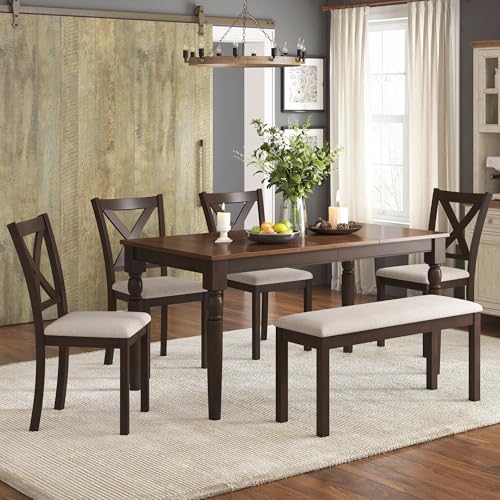
The combination of one bench plus two or three chairs is the most common configuration. The bench sits against a wall, window, or banquette panel, while chairs occupy the open side of the table. This arrangement is efficient, visually balanced, and works with rectangular, square, and round tables.
Best Fits for a Bench-and-Chairs Set
- Breakfast nooks and kitchen corners with a window wall
- Open-plan kitchens where a free traffic path matters
- Families who want close, shared seating at one side
- Rental or apartment kitchens that need flexible, compact layouts
- Casual dining areas that favor a relaxed, café-inspired look
If your room is wide and you want a more formal dining feel, a full chair set may suit better. But if space efficiency, family seating, and a built-in look are priorities, a bench and chairs combination is usually the stronger choice. For readers planning a matching outdoor or porch setup, the same bench logic applies — see our guide to outdoor benches for a parallel comparison.
2. Bench Types and Back Styles
The bench itself is the deciding element in this furniture pairing. Four main types dominate the market, and each suits a different room and sitting duration.
Backless Bench
A backless bench is the most compact option. It tucks completely under the table, works well against a window without blocking light, and is easy to move. It suits casual breakfasts and short meals. Because there is no back support, it is less comfortable for long dinners or for older family members.
Bench with Backrest
A bench with a backrest delivers chair-like support across a shared seat. It is the best choice for everyday family dining and for anyone who sits at the table for extended periods. A backrest adds depth, so confirm that the bench still fits under the table edge or sits flush against the wall without pushing the table too far into the room.
Corner Bench and Banquette
A corner bench wraps two walls and creates a true banquette. This is the most space-efficient layout for a kitchen nook because the corner is otherwise unusable floor area. Corner benches are typically built-in or modular, and they pair with a small table and two chairs on the open sides.
Storage Bench
A storage bench lifts on a hinged lid or includes drawers beneath the seat. In a kitchen, this hidden space is genuinely useful for placemats, napkins, board games, or seasonal table linens. Storage benches are heavier, so plan their position before delivery.
Whichever type you choose, check the seat height against your table. A bench seat is typically 17 to 19 inches from the floor, and the table apron should clear the sitter's knees. If you are pairing a new bench with an existing table, measure both before ordering. Readers building a matching indoor-outdoor flow may also find our comparison of small dining table sets for four with a bench useful.
3. Choosing the Right Table Shape
The table shape determines how the bench and chairs share the room. Three shapes work best with bench seating.
Rectangular Table
The classic choice. A rectangular table lets you place a bench along one long side and two chairs on the opposite side, with a chair at each end if the room allows. It is the most efficient shape for a narrow kitchen and pairs naturally with a long bench against a wall.
Square Table
A square table works well in a corner nook. A bench can run along one side while two chairs sit on the adjacent sides, or a corner bench can wrap two sides with a chair on each remaining edge. Square tables are compact and visually balanced in small rooms.
Round Table
A round table softens a tight space and has no sharp corners to navigate. Pair it with a curved bench or a straight bench pushed against a wall, and add two or three chairs on the open arc. Round tables are especially good for breakfast nooks and for kitchens with heavy foot traffic.
Table height matters as much as shape. Standard dining height, counter height, and bar height each change the bench and chair you need. If your kitchen island or peninsula is part of the plan, our guide to bar-height table and chair pairings explains how to keep seat heights consistent.
4. Sizing and Clearance Rules
Getting the measurements right is the difference between a set that feels built-in and one that crowds the room. Use these planning rules as a starting point.
| Measurement | Recommended Guideline | Why It Matters |
|---|---|---|
| Table width per person | About 24 inches of table edge | Prevents elbow contact and gives each diner a plate-and-glass zone |
| Bench seat height | 17–19 inches from floor | Keeps knees clear of the table apron and matches chair seat height |
| Bench seat depth | 14–18 inches | Deeper seats suit backrest benches; shallower seats suit backless benches |
| Walkway behind chairs | 30–36 inches | Allows chairs to pull out and people to pass behind |
| Bench-to-table gap | 2–4 inches when tucked | Keeps the bench easy to slide in and out without scraping |
| Tabletop overhang | 2–3 inches beyond the frame | Gives knee room and a comfortable reach to the table edge |
For a small kitchen nook, measure the wall length first and subtract a few inches of breathing room on each side before choosing a bench length. For a larger kitchen, plan the bench as the anchor element and size the table to it. If you are adapting a set for a compact space, our article on furniture for small spaces covers related layout tactics that translate well indoors.
5. Materials and Finish Guide
Kitchen furniture faces spills, heat, and frequent wiping. Choose a material that tolerates daily use without fuss.
Solid Wood
Solid wood — oak, pine, rubberwood, or acacia — is the most popular choice for bench-and-chairs sets. It is repairable, ages gracefully, and can be refinished. Look for a sealed top and a water-resistant finish on the bench seat. Solid wood is heavier, which is an advantage for a bench that stays in place.
Engineered Wood and Veneer
Engineered wood with a veneer offers a stable, flat surface at a lower position in the market. It resists warping in humid kitchens better than some solid woods, but the veneer can chip at edges. Check that the bench joints are reinforced and that the top has a sealed finish.
Metal Frames with Wood or Composite Tops
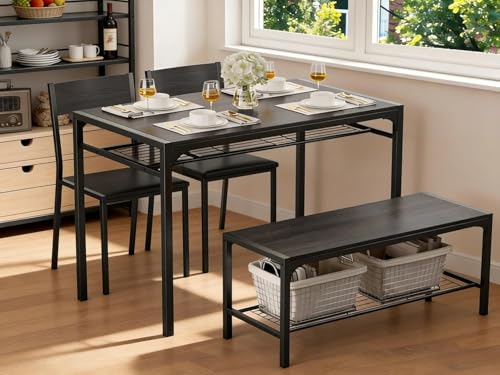
A metal frame with a wood or composite top is a practical, durable option for busy family kitchens. Powder-coated steel resists scratching and is easy to wipe clean. Metal benches are often lighter and easier to reposition. Our overview of metal furniture construction explains the frame details worth checking, since the same standards apply indoors.
Upholstered Bench Tops
An upholstered bench top adds comfort for long meals but needs a cleanable, tightly woven fabric in a kitchen. Choose removable or wipeable covers, and avoid light colors near the cooking zone. Upholstered benches are typically in the mid-tier and premium range of the market for their category.
Whatever material you choose, confirm that the bench and chairs share a consistent finish tone with the table. Mixed materials can look intentional, but they need a clear visual link — for example, a wood top with a matching wood chair frame and a black metal bench base.
6. Layouts for Nooks and Small Kitchens
The bench-and-chairs combination shines in three common kitchen layouts.
The Window Nook
Place a straight bench under a window, with the table pushed close and two chairs on the opposite side. This is the most space-efficient arrangement because the bench does not need pull-out clearance. Keep the bench height below the window sill so light is not blocked.
The Corner Banquette
A corner bench wraps two walls and seats three or four people in the footprint of a single small table. Add one or two chairs on the open edges. This layout is ideal for a square kitchen corner and makes a small room feel deliberately designed rather than cramped.
The Open-Plan Island Side
When the kitchen table sits beside an island or peninsula, place the bench on the island side and chairs on the outer side. This keeps the walking path between the island and the table clear and gives the bench a natural backing. If the island includes seating, match the bench and stool heights so the two zones feel unified — see our guide to bar stools for height references.
For very narrow rooms, a backless bench against the wall plus two slim chairs is the most forgiving configuration. Avoid deep corner benches in narrow rooms unless the table is also compact; the combination can leave no passing room.
7. Comfort, Cushions, and Back Support
A bench is comfortable when three things are right: seat height, seat depth, and back support. Seat height should match the chairs on the opposite side so everyone sits at the same level. Seat depth should be enough to support the thighs without pressing behind the knees.
For back support, choose a bench with a shaped backrest or add a firm bench cushion with a slight wedge. A thin flat pad does little for long meals; a denser cushion with a tie-down or non-slip base stays in place and adds real support. In a kitchen, choose a cushion cover that can be wiped or removed for washing.
If children use the bench, a bench with a backrest and a cushion is safer than a backless bench, and it keeps them seated closer to the table. For older family members, a bench with arms or a bench paired with a chair at each end makes getting in and out easier. Cushion firmness and fabric choice matter just as much on a kitchen bench as they do on outdoor seating — our notes on seat cushions explain the density and cover trade-offs.
8. Market Tiers and What to Expect
Kitchen bench-and-chairs sets are positioned across a few recognizable tiers. The tier reflects construction, materials, and finish quality rather than a specific number, and it will stay meaningful as the market changes over time.
| Tier | Typical Construction | Best For |
|---|---|---|
| Entry-level | Engineered wood or lightweight metal frame, simple hardware, basic sealed finish | Rentals, first kitchens, occasional use, and casual breakfast nooks |
| Mid-range | Solid wood or reinforced metal, better joinery, water-resistant top finish | Everyday family dining and busy kitchens with regular use |
| Premium | Hardwood, precision joinery, upholstered bench top, refined finish | Long-term daily use, design-led kitchens, and homes that host often |
| Luxury | Hardwood with custom sizing, tailored upholstery, built-in banquette options | Custom kitchen builds and dedicated dining spaces with a designed look |
Mid-range sets usually offer the strongest balance for a kitchen that is used every day: the joinery is more stable, the finish handles wiping, and the bench is less likely to wobble over time. Entry-level sets are a sensible fit for a short-term rental or a secondary nook, while premium and luxury sets make sense when the set is part of a planned kitchen remodel and will stay in place for years. A well-specified mid-range set is a solid long-term investment for most households.
9. Care and Long-Term Maintenance
Kitchen furniture needs simple, consistent care to stay looking sharp.
- Wipe spills promptly. Standing liquid is the main cause of finish wear on wood tabletops and bench seats.
- Use coasters and placemats. Heat and condensation rings are easier to prevent than to repair.
- Re-tighten hardware seasonally. Bench legs and table aprons can loosen with daily use; a quick check keeps the set stable.
- Refresh wood finishes. A food-safe furniture wax or oil on solid wood benches once or twice a year keeps the surface sealed.
- Inspect cushions regularly. Rotate and wash removable covers, and replace flattened foam when support fades.
If the bench sits beside a window with strong afternoon sun, consider a light curtain or UV film to slow finish fading. The same protective mindset applies to furniture that lives outdoors; our guide to weatherproofing covers covers the principles of protecting a finish from sun and moisture.
10. Frequently Asked Questions
Is a bench seat comfortable for everyday dining?
Yes, when the bench has a properly shaped seat, supportive backrest, and adequate depth. A backless bench works well for casual meals, while a bench with a backrest suits longer sitting sessions and everyday family dining.
How much space does a kitchen table with bench and chairs need?
As a general rule, allow about 24 inches of table width per seated person and leave 30 to 36 inches of clearance around the table for chairs to pull out and for people to walk behind the bench.
Should the bench be on a wall side or a walkway side?
Place the bench on the wall or window side so it does not block traffic, and keep chairs on the open side. This layout saves floor space and makes the bench easier to slide in and out of.
What materials work best for a kitchen bench dining set?
Solid wood and engineered wood with a durable finish are the most common choices. Metal frames pair well with wood or composite tops, while upholstered bench tops add comfort but require more careful cleaning in a kitchen environment.
Can a bench dining set fit a small kitchen nook?
Yes. A corner bench or a backless bench pushed against a wall is one of the most space-efficient layouts for a small breakfast nook. Pair it with a compact rectangular or round table and two chairs on the open side.
Ready to Plan Your Kitchen Dining Set?
Use this guide to confirm your bench type, table shape, and measurements, then explore the recommended products below to find a set that fits your kitchen and your daily routine.
Explore Recommended Sets