Lounge Seats: The Complete Buying Guide for Outdoor Comfort
Everything you need to know about choosing deep-seating lounge chairs, modular sofas, and relaxation-focused seating for your patio, deck, or poolside retreat.
START THE GUIDEWhy Lounge Seats Define Your Outdoor Living Space
Lounge seats are the heart of any outdoor relaxation zone. Unlike standard dining chairs that prioritize upright posture, lounge seating is engineered for reclining, lingering, and conversation. Whether you are outfitting a compact balcony or a sprawling pool deck, the right lounge seats transform an ordinary patio into a destination for rest and social connection.
Shopping for lounge seats involves more than picking a style you like. You need to consider frame materials, cushion construction, space planning, and how each piece will hold up against sun, rain, and seasonal temperature swings. This guide walks you through every decision point so you can invest with confidence in seating that lasts for seasons to come.
PatioFocus Insight: Lounge seating is the category where comfort engineering matters most. A well-specified mid-range lounge chair with high-density foam and a powder-coated aluminum frame will typically outperform an entry-level model in both longevity and daily comfort, even though the visual difference at purchase may be subtle.
Types of Lounge Seats: Find Your Relaxation Style
The term "lounge seats" covers a wide spectrum of outdoor furniture. Understanding the distinct categories helps you build a cohesive seating arrangement that matches how you actually use your outdoor space.
Deep-Seating Lounge Chairs
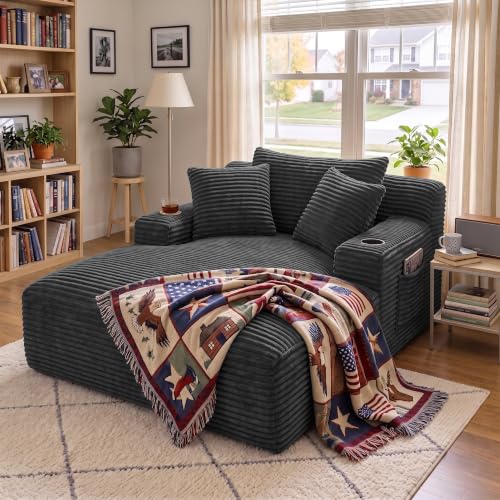
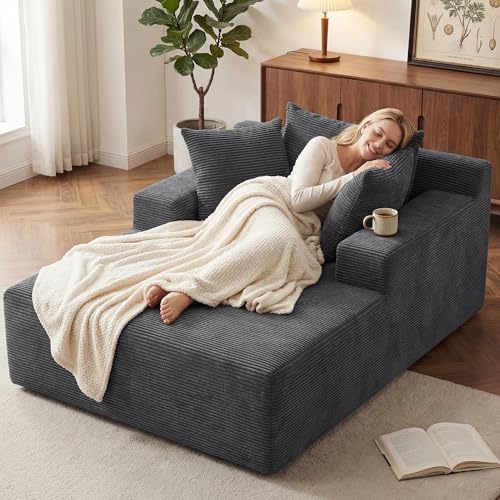
These are the classic single-person lounge seats, featuring a low seat height and a deep, wide profile that invites you to sink in. Deep-seating chairs pair naturally with a lounge chair frame design that supports a relaxed recline. They work beautifully as standalone reading spots or as part of a conversational grouping. Many models include removable cushions and washable covers, which is a practical advantage for year-round use.
Modular & Sectional Lounge Seating
Modular lounge seats let you configure your outdoor space in endless ways. Individual pieces clip together or sit side by side, so you can create an L-shaped arrangement for entertaining or a simple two-seat setup for quiet evenings. Look for modular systems with consistent seat heights and shared armrest options so the final layout feels intentional rather than pieced together.
Chaise Lounges & Sun Loungers
When full-body recline is the priority, chaise lounges are the answer. These elongated lounge seats are ideal for poolside sunbathing, reading marathons, or simply stretching out. Adjustable backrests let you shift from upright to nearly flat, and many models stack or fold for off-season storage. For a dedicated tanning setup, explore lounge chairs for tanning that prioritize adjustable angles and easy-clean surfaces.
Loveseats & Lounge Sofas
Two-person lounge seats bridge the gap between intimacy and sociability. A loveseat-style lounge seat works well on smaller patios where a full sofa would overwhelm the space, while still offering the comfort of shared seating. Pair one with a side table and you have a complete relaxation nook.
Hanging & Swing Lounge Seats
For a truly distinctive focal point, hanging lounge seats add motion and playfulness to an outdoor area. Whether suspended from a pergola beam or a freestanding frame, these seats demand extra attention to weight ratings and anchor points. Always verify the load capacity of both the seat and the mounting structure before installation.
Key Buying Factors for Lounge Seats
Before you commit to a style, evaluate these practical factors. They determine whether your lounge seats will feel comfortable on day one and remain functional after several seasons of exposure.
Frame Material & Weather Resistance
The frame is the skeleton of any lounge seat, and it dictates durability more than any other component. Powder-coated aluminum resists rust and stays lightweight enough to rearrange easily. High-grade steel offers superior strength for larger sectional pieces but requires a rust-proof finish to survive humid climates. Natural teak and other dense hardwoods bring warmth and character, while engineered resin and high-density polyethylene provide a maintenance-light option that holds color well under UV exposure.
Cushion Quality & Foam Density
Cushions make or break the lounge experience. High-density, open-cell foam retains its shape and dries quickly after rain. Quick-dry reticulated foam is particularly valuable in regions with frequent showers. For a deeper dive into cushion selection, our outdoor seat cushions 24 x 24 guide covers sizing and fill options in detail.
Seat Height & Ergonomics
Lounge seats sit lower than dining chairs, typically between 15 and 18 inches from floor to seat top. If anyone in your household has mobility concerns, consider a mid-height lounge seat or add a firm support cushion to reduce the strain of standing up. The backrest angle should support a natural recline without forcing your neck forward.
Weight Capacity & Frame Gauge
Always check the stated weight capacity. Entry-level frames may use thinner tubing, while mid-range and premium lounge seats typically specify heavier-gauge aluminum or reinforced joints. For households with varied users, choose seats rated comfortably above your heaviest expected occupant.
UV Resistance & Colorfastness
Fabrics and finishes fade under sustained sunlight. Solution-dyed acrylic cushions and UV-stabilized wicker retain their appearance far better than untreated materials. If your patio receives full afternoon sun, prioritize UV-resistant covers and powder-coated frames over painted finishes.
Materials & Construction: What to Look For
Material choice affects appearance, weight, maintenance, and lifespan. Here is how the most common lounge seat materials compare.
| Material | Best For | Durability Notes | Maintenance Level |
|---|---|---|---|
| Powder-Coated Aluminum | Lightweight portability and humid climates | Rust-proof core with a chip-resistant finish | Low — wipe clean seasonally |
| High-Grade Wicker / Rattan | Classic and coastal aesthetics | UV-stabilized synthetic strands resist cracking | Low to moderate — rinse and inspect weave |
| Teak & Dense Hardwoods | Natural warmth and long-term patina | Naturally moisture-resistant; oiling preserves color | Moderate — annual sealing recommended |
| Resin / HDPE | Maintenance-light family patios | Color-through construction hides scratches | Very low — soap and water |
| Wrought Iron & Steel | Traditional and heavy-duty settings | Strong but requires rust-proof coating | Moderate — touch up finish as needed |
Beyond the frame, pay attention to joinery and hardware. Welded aluminum joints outperform bolted connections in flex-heavy lounge designs. Stainless steel hardware is a meaningful upgrade over standard zinc-plated fasteners in coastal environments. If you are matching new lounge seats to existing metal pieces, our metal patio furniture overview explains how finishes and gauges can be coordinated.
Comfort & Cushion Guide
Comfort is subjective, but the construction behind it is measurable. A lounge seat that feels plush in the showroom may flatten within a season if the foam is low-density. Here is what to prioritize.
- Foam density: High-density foam (often described as firm-support or high-resilience) holds its shape longer than soft, low-density fill. Mid-range and premium lounge seats typically specify density or ILD ratings in their product documentation.
- Quick-dry cores: Open-cell or reticulated foam allows water to pass through and air to circulate, reducing mildew risk after rain.
- Fabric breathability: Solution-dyed acrylic and polyester blends resist fading and dry faster than cotton-heavy covers.
- Removable covers: Zippered, machine-washable covers dramatically extend cushion life and simplify seasonal cleaning.
- Back support angle: A backrest reclined between 100 and 110 degrees supports relaxed conversation; deeper recline suits solo lounging and reading.
If you are refreshing existing frames rather than buying new, replacement cushions are a practical route. Our guides to outdoor patio chair cushions set of 6 and patio chair cushions set of 4 cover sizing compatibility and fill upgrades.
Space Planning & Layout
Lounge seats need breathing room. A common mistake is filling a patio so completely that movement becomes awkward. As a rule of thumb, leave at least 18 inches of clear walkway between lounge seating and walls, railings, or other furniture groups.
Small Patios & Balconies
For compact areas, prioritize two deep-seating lounge chairs facing a small coffee table, or a single loveseat paired with a side table. Modular pieces that can be rearranged or stacked are especially valuable. Our outdoor furniture for small spaces guide offers layout diagrams and dimension benchmarks.
Medium Decks & Patios
A medium-sized space comfortably supports an L-shaped or U-shaped lounge arrangement: a sofa, two lounge chairs, and a central coffee table. Anchor the grouping with an outdoor rug to visually unify the zone. A patio rug also helps define the boundary between lounge seating and dining or traffic areas.
Large Poolside & Entertaining Areas
Larger spaces can accommodate multiple lounge zones — a conversational deep-seating group plus a row of chaise lounges for sunbathing. Keep circulation paths clear between zones, and consider matching materials across both groups for visual cohesion.
Layout Tip: Measure the diagonal depth of any lounge seat you are considering. Deep-seating chairs often need 30 to 36 inches of depth, and reclining models need additional clearance behind them. Tape the footprint on your patio before ordering to confirm the layout works.
Style & Aesthetic Options
Lounge seating should reflect the overall character of your outdoor space. A few common directions:
Modern & Minimalist
Clean lines, low profiles, and neutral palettes define modern lounge seats. Powder-coated aluminum frames with slim arms and square cushions work well on contemporary decks. Pair with a modern outdoor coffee table to complete the look. Our minimalist deck guide explores how to keep the arrangement uncluttered.
Coastal & Nautical
Light wicker, whitewashed finishes, and blue-and-white textiles evoke a seaside feel. Coastal lounge seats should prioritize rust-proof hardware and salt-air-resistant finishes if you are near the ocean.
Rustic & Farmhouse
Weathered wood frames, deep cushioning, and earthy tones create a relaxed farmhouse atmosphere. Teak and reclaimed-look resin pieces fit this style well.
Bohemian & Layered
Mixing textures — rattan, woven textiles, and layered cushions — produces a bohemian lounge zone. A hanging chair or room chair swing can serve as a whimsical accent alongside conventional lounge seats.
Maintenance & Longevity
Lounge seats live outdoors year-round in many households, so routine care pays off. Follow these practices to extend the life of your investment.
- Seasonal cleaning: Wash frames with mild soap and water, rinse thoroughly, and dry before replacing cushions.
- Cushion rotation: Rotate and flip cushions monthly during peak season to distribute wear evenly.
- Cover or store: Use breathable covers during off-season months. Avoid sealing damp cushions inside non-breathable covers, which traps moisture.
- Hardware checks: Tighten bolts and inspect welds at the start of each season. Address small finish chips promptly to prevent corrosion.
- Wood care: Teak and hardwood frames benefit from annual cleaning and optional oiling to maintain color.
For comprehensive protection strategies, see our weatherproofing outdoor furniture covers guide and the broader waterproof outdoor furniture cover overview. If you are matching lounge seats to a larger set, the patio conversation sets guide explains how coordinated care routines simplify maintenance.
Tier Comparison Overview
Lounge seats span a wide range of build quality. The table below uses universal tier descriptors to help you compare relative positioning without reference to specific figures.
| Tier | Typical Construction | Best For | Expected Longevity |
|---|---|---|---|
| Entry-Level | Thinner aluminum or steel tubing, standard foam, basic polyester covers | Occasional use, covered porches, seasonal setups | Several seasons with care |
| Mid-Range | Heavier-gauge powder-coated frames, high-density foam, solution-dyed acrylic covers | Daily use, family patios, mixed sun exposure | Many seasons with routine maintenance |
| Premium | Reinforced welded frames, quick-dry high-resilience foam, designer fabrics, stainless hardware | Full-sun exposure, coastal climates, frequent entertaining | Extended lifespan with minimal upkeep |
| Luxury | Custom joinery, commercial-grade materials, performance textiles, modular engineering | High-end installations, hospitality-grade settings | Long-term investment with professional care |
In practice, the jump from entry-level to mid-range usually delivers the most noticeable improvement in daily comfort and weather resilience. Premium and luxury tiers make sense when your lounge seats face constant sun, salt air, or heavy use.
Frequently Asked Questions About Lounge Seats
What is the difference between a lounge chair and a lounge seat?
A lounge seat is a broad category that includes any seating designed for relaxation, such as deep-seating sofas, chaise lounges, and recliners. A lounge chair typically refers to a single-person seat with a reclined back, while lounge seats can include multi-person and modular options.
How do I choose the right size lounge seats for my patio?
Measure your available space and leave at least 18 inches of walkway around each piece. For small patios, consider compact deep-seating chairs or modular sectionals. For larger spaces, a full lounge set with a sofa, chairs, and coffee table works well.
What materials are best for outdoor lounge seats?
Powder-coated aluminum, high-grade wicker, and teak are top choices. Aluminum is lightweight and rust-proof, wicker offers a classic look with weather resistance, and teak naturally repels moisture and insects. Always check for UV-resistant cushions and rust-proof hardware.
How often should I replace lounge seat cushions?
Cushions typically need replacement every three to five years depending on sun exposure and foam quality. If cushions no longer spring back after compression, or the fabric shows persistent staining or thinning, replacement is the practical choice.
Can lounge seats stay outside in winter?
Many powder-coated aluminum and high-grade resin frames tolerate winter exposure, but cushions should be stored or covered. In regions with heavy snow or freezing rain, move modular pieces indoors or use fitted breathable covers to prevent moisture trapping.
Final Thoughts: Invest in Relaxation That Lasts
Lounge seats are an investment in how you spend your time outdoors. By prioritizing frame quality, cushion construction, and thoughtful space planning, you can create a seating area that feels inviting every day and holds up season after season. Start with the pieces you will use most — a comfortable deep-seating chair or a modular sofa — and build outward as your space and needs evolve.