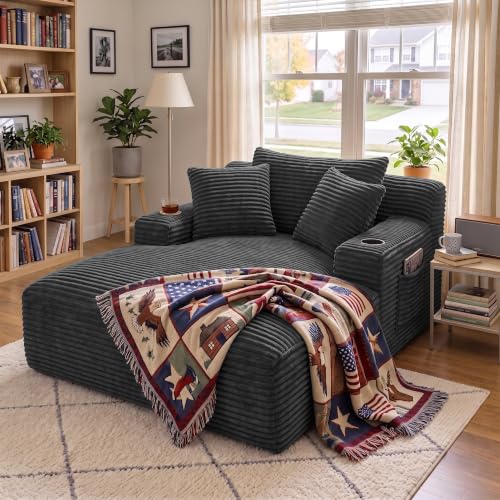
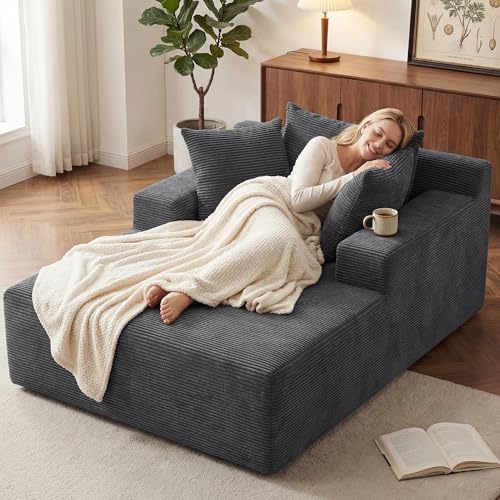
Lounger Chair for Bedroom: The Complete Buying Guide
Turn an empty corner into a personal retreat. Learn how to choose a bedroom lounger chair that fits your space, matches your decor, and delivers lasting comfort for reading, relaxing, and unwinding.
Start the GuideWhy a bedroom lounger deserves careful thought: A lounger chair is more than extra seating. It becomes your reading spot, your morning coffee corner, and your quiet escape at the end of the day. Because bedrooms are usually tighter than living rooms, the wrong chair can crowd the floor or feel awkward next to the bed. This guide walks you through sizing, materials, styles, and comfort features so you can buy with confidence.
Why Add a Lounger Chair to Your Bedroom?
Most bedrooms are designed around the bed and a dresser, leaving one or two corners unused. A well-placed lounger chair fills that gap and gives the room a purpose beyond sleep. Instead of scrolling in bed, you get a dedicated seat for reading, journaling, or watching a show on a tablet. The chair also softens hard edges in the room, adding fabric and texture that make the space feel warmer.
From a design perspective, a lounger works as an accent piece. It can echo the color of your bedding, introduce a contrasting material like leather or boucle, or anchor a small side table and floor lamp into a cozy vignette. If you are furnishing a guest room, a compact chaise doubles as a spot for luggage or a place to sit while getting dressed. For a primary bedroom, a full-length lounger turns an empty wall into a private lounge zone.
Bedroom Lounger vs. Living Room Lounge Chair
A bedroom lounger usually prioritizes relaxation over social seating. That means deeper seats, higher backrests, and often a reclining or adjustable back. Living room lounge chairs are built for conversation and tend to have more upright posture. If you plan to read or nap in the chair, lean toward a bedroom-style chaise with a longer seat depth. If you mainly want a stylish seat for putting on shoes, a compact accent chair is enough. Our broader lounge chair buying guide covers the full category if you want to compare room-by-room options.
Types of Lounger Chairs for Bedrooms
Not every lounger fits every bedroom. The right type depends on floor space, how you plan to use the chair, and whether the room has strong natural light. Here are the main styles to consider.
Chaise Lounge
A chaise lounge is the classic bedroom lounger. It has a long, single-sided seat that supports the legs and a gently angled back. Chaise lounges work best along a wall or under a window, and they look elegant in primary bedrooms and guest suites. The trade-off is floor depth, so measure carefully. If you love the silhouette but need a more compact footprint, a mid-century modern chaise lounge often has a slimmer profile with tapered legs that keep the room feeling open.
Reclining Lounger
A reclining lounger lets you adjust the back angle for reading, napping, or watching TV. Manual push-back recliners are simple and reliable, while power recliners add smooth adjustment at the touch of a button. Recliners need clearance behind the backrest, so avoid placing them directly against a wall unless the model uses a wall-hugger mechanism. This type suits bedrooms used for relaxation and media, but it can feel bulky in small rooms.
Accent Chair with Ottoman
An accent chair paired with a matching ottoman gives you the lounger experience in two movable pieces. You can pull the ottoman out when you want to stretch your legs, then tuck it away when the room needs open floor space. This setup is ideal for renters and small bedrooms because each piece is easier to move and rearrange. Look for an ottoman that stores small items inside, which adds hidden function to the room.
Swivel Lounger
A swivel base lets the chair rotate toward the window, the bed, or a TV without moving the frame. Swivel loungers are practical in bedrooms with multiple focal points. They also make the chair feel lighter because you can turn away from the wall. Many models pair a swivel base with a slight recline, giving you both mobility and comfort. If you like the flexibility of swivel seating, our guide to lounge seats covers more base and frame options.
Folding and Portable Loungers
Folding loungers are a practical option for guest rooms, dorms, and apartments where furniture changes often. They collapse flat for storage and set up in seconds. Indoor folding loungers usually use a padded fabric seat over a steel frame, so check the weight rating and the padding thickness. For bedrooms that also open onto a balcony, a zero gravity folding reclining lounge chair can serve double duty indoors and out, though you should confirm it is rated for indoor use and fits your room's style.
Sizing a Lounger Chair for Your Bedroom
Size is the most common reason a bedroom lounger fails. A chair that looks right in a showroom can overwhelm a small room or block a closet door. Before you shop, sketch the room and mark the bed, nightstands, dresser, doors, and windows. Then test these measurements.
Walking Clearance
Leave at least 24 to 30 inches of clear path around the chair. This keeps the room easy to navigate and prevents stubbed toes on late-night trips.
Door Swing
Check every closet and entry door. A chaise placed too close to a door can block the swing or force you to squeeze past it daily.
Seat Depth
For reading and lounging, aim for 20 to 24 inches of seat depth. Deeper seats feel more relaxed but can be hard to get out of for shorter users.
Back Height
A backrest of 28 to 34 inches supports the shoulders and neck. Higher backs feel more cocooning but can visually shrink a small room.
Recliner Clearance
If you choose a recliner, add the recline depth to your footprint. Wall-hugger models need less rear clearance than standard recliners.
Window and Radiator Space
Keep fabric chairs at least a few inches away from radiators and heating vents. Sunlight can fade upholstery over time, so rotate the chair or use a window treatment.
For tight rooms, a compact chaise under 60 inches long or a chair-and-ottoman set gives you lounging comfort without a full-length footprint. If your bedroom is very small, a small-space furniture guide can help you think about multi-use layouts, even though it focuses on outdoor rooms.
Materials and Upholstery: What Works Indoors
Bedroom loungers live in a low-traffic, climate-controlled space, which opens up softer and more decorative materials than outdoor furniture allows. The best choice depends on how much maintenance you want and whether the chair sits in direct sun.
Fabric Upholstery
Velvet feels plush and adds a luxurious touch, but it shows lint and requires gentle cleaning. Linen blends breathe well and suit relaxed, natural bedrooms. Boucle and tweed add texture and hide small marks. Performance fabrics resist stains and fading, making them a smart choice for guest rooms and sunny corners. If the chair will be used daily, a tight-weave fabric with a removable, washable cover is the most practical option.
Leather and Faux Leather
Leather loungers are easy to wipe clean and develop a handsome patina over time. Faux leather offers a similar look with lower maintenance, though it can crack in very dry rooms. Both work well in modern and mid-century bedrooms. Keep leather away from direct sunlight to prevent drying and fading, and condition it once or twice a year to keep it supple.
Wood and Metal Frames
Solid wood frames, especially in oak, walnut, or ash, give a chair long-term structural integrity. Look for joinery details like dowels and corner blocks rather than staples alone. Metal frames in powder-coated steel or aluminum are lighter and suit industrial and contemporary styles. If you prefer a coordinated look, our metal patio furniture guide explains how metal frames are finished and maintained, and much of that care advice applies to indoor metal loungers too.
Cushion Fill
High-density foam holds its shape best for daily use. Foam wrapped in fiber feels softer but may flatten faster. Pocket springs inside the seat cushion add bounce and durability for heavier users. Down and down-blend cushions feel the most luxurious but need regular fluffing. For a bedroom lounger, a medium-firm foam core with a fiber wrap is a reliable balance of comfort and longevity.
Comfort Features That Matter
Two chairs can look identical and feel completely different. These are the features to test or check in reviews before you buy.
- Seat height: A seat height of 17 to 19 inches suits most adults. Lower seats feel more relaxed but are harder to rise from.
- Armrest height: Arms should let your shoulders relax without hunching. Padded arms add comfort for long reading sessions.
- Back angle: A slight recline of 10 to 15 degrees is comfortable for reading. Deeper recline suits napping but is harder to exit.
- Lumbar support: A built-in lumbar curve or a small throw pillow protects your lower back during long sits.
- Swivel and glide: A swivel base helps you turn toward light or a screen. Glider and rocking mechanisms add gentle motion but take more floor space.
- Removable covers: Washable covers extend the chair's life and make it easier to refresh the room's look.
Matching the Lounger to Your Bedroom Style
A bedroom lounger should feel like it belongs in the room, not like it wandered in from another house. Start with the largest surfaces: bedding, walls, and rug. If those are neutral, the chair can carry color or pattern. If the room is already busy, choose a solid upholstery in a tone pulled from the existing palette.
Leg finish matters more than most people expect. Walnut or oak legs tie into wood nightstands and dressers. Black metal legs suit industrial and modern rooms. Brass or gold legs add warmth and pair well with velvet and jewel tones. For a cohesive look, repeat one finish from the room in the chair frame, and repeat one fabric color in a throw pillow or blanket.
Style Quick-Reference
| Bedroom Style | Recommended Lounger | Best For |
|---|---|---|
| Modern Minimalist | Slim chaise with tapered metal legs, solid neutral upholstery | Clean lines and open floor space |
| Mid-Century Modern | Walnut-framed lounge chair with angled back and bolster pillow | Warm wood tones and retro accents |
| Coastal | Light linen or slipcovered chair with whitewashed wood legs | Airy, relaxed bedrooms near water |
| Traditional | Rolled-arm upholstered chaise with carved wood legs | Classic, layered rooms with pattern |
| Industrial | Leather or canvas lounger on a black steel frame | Loft-style bedrooms with exposed brick |
| Bohemian | Rattan or woven frame with a deep, low seat and textured cushions | Layered textiles and plant-filled rooms |
Comparing Lounger Chairs by Market Tier
Instead of comparing prices, compare what each tier of the market typically delivers. This helps you decide where to invest and where you can compromise. The tiers below describe general market positioning, not specific brands.
| Tier | Typical Frame & Fill | Durability Outlook | Best For |
|---|---|---|---|
| Entry-Level | Particle board or light metal frame, standard foam, basic fabric | Suits light use and guest rooms; may soften over a few years | First apartments, occasional seating, temporary setups |
| Mid-Range | Hardwood or reinforced metal frame, high-density foam, performance fabric or bonded leather | Solid daily durability with reasonable care | Primary bedrooms used daily for reading and relaxation |
| Premium | Kiln-dried hardwood, pocket-spring or wrapped foam cushions, top-grain leather or designer fabric | Long service life; cushions retain shape for years | Design-focused bedrooms and long-term furniture investments |
| Luxury | Hand-finished frames, down-blend or custom cushions, full-grain leather or bespoke upholstery | Built to be repaired and reupholstered over decades | Custom interiors and collector-grade furniture |
A mid-range lounger is usually the sweet spot for a bedroom. It offers a supportive seat, a durable frame, and enough style variety to match most rooms. Step up to premium if the chair will be used every day for years or if you want specific materials like top-grain leather. Entry-level models make sense for guest rooms and short-term rentals where the chair sees occasional use.
Where to Place a Lounger in the Bedroom
Placement determines whether the chair feels intentional or crammed in. These layouts work in most bedrooms:
- Under a window: The classic reading nook. Add a floor lamp and a small side table for a book and a drink.
- Corner opposite the bed: Balances the room's visual weight and fills an otherwise dead corner.
- Foot of the bed: Works in larger rooms if there is at least 30 inches of clearance to walk around.
- Beside a dresser: Creates a getting-ready seat for putting on shoes and setting out clothes.
- In a bay window or alcove: Turns an awkward architectural feature into the room's best seat.
Avoid blocking heating vents, radiators, and closet doors. If the room has a ceiling fan, make sure the chair's backrest is not directly under the blades. For bedrooms that open to a balcony or patio, keep the indoor lounger away from direct weather exposure and use a protective cover if the door is often left open. A waterproof furniture cover is useful for any chair that sits near an open doorway during rainy months.
Care and Maintenance
A bedroom lounger does not face rain or sun the way outdoor furniture does, but it still needs regular care. Vacuum fabric upholstery every few weeks to remove dust. Rotate the seat cushion if it is reversible, and fluff fiber-wrapped cushions to keep their shape. Treat spills quickly with a clean cloth and a mild upholstery cleaner. For leather, wipe with a dry cloth and apply a leather conditioner once or twice a year. Tighten frame bolts every few months, especially on reclining and swivel models. If the chair sits in strong sunlight, use a sheer curtain or blinds to slow fading. For more general weatherproofing principles that also apply to indoor pieces near windows, see our weatherproofing guide.
Common Buying Mistakes to Avoid
- Buying before measuring: Always measure the footprint, doorways, and clearance. A chair that fits in the room may not fit through the door or stairwell.
- Ignoring seat depth: A too-deep seat is uncomfortable for shorter users. Sit in the chair or check the depth against your leg length.
- Choosing style over support: A beautiful chair with weak cushions will lose its shape quickly. Check the foam density and frame joinery.
- Forgetting the room's palette: A bold chair can work, but it should relate to at least one other element in the room.
- Skipping the return policy: Confirm whether the seller accepts returns and who pays return shipping for large furniture.
Final Checklist Before You Buy
Measure the Footprint
Mark the chair's dimensions on the floor with painter's tape. Walk around the outline to confirm clearance.
Confirm Door Fit
Measure the bedroom door, hallway, and stairwell. Check whether the chair ships assembled or flat-packed.
Match the Palette
Bring a pillowcase or paint swatch when shopping. Compare it to the upholstery and leg finish.
Check the Weight Rating
Confirm the chair supports the intended user comfortably. Heavy-duty frames are available at every tier.
Read Care Instructions
Know whether the cover is washable and whether the upholstery needs professional cleaning.
Review the Warranty
Frame warranties vary widely. A longer warranty on the frame often signals better construction.
Frequently Asked Questions
What size lounger chair fits best in a bedroom?
A bedroom lounger should leave at least 24 to 30 inches of walking clearance around it. Compact chaise loungers under 60 inches long suit smaller rooms, while full-length chaise lounges work well in primary bedrooms with open floor space. Always measure the footprint and confirm the door swing before ordering.
Which material is best for a bedroom lounger chair?
Upholstered loungers in velvet, linen blend, or woven fabric offer the most comfort for indoor use. Leather and faux leather are easier to wipe clean and suit modern bedrooms. Solid wood frames with removable cushions give a classic look with easy maintenance. Choose performance fabric if the chair will sit near a window with strong sunlight.
Do I need a reclining lounger for the bedroom?
A manual or power recliner adds comfort for reading and TV watching, but fixed-back chaise loungers take less floor depth and are simpler to maintain. If the bedroom doubles as a reading or relaxation corner, a reclining model is a worthwhile investment. For guest rooms or compact spaces, a fixed chaise is usually the better fit.
How do I match a lounger chair to my bedroom decor?
Anchor the chair to your existing palette. A neutral upholstery tone blends with most bedding and walls, while a bold accent color adds a focal point. Match the leg finish to your nightstands or dresser hardware for visual consistency. Add a throw pillow or small side table to tie the chair into the rest of the room.
Ready to Choose Your Bedroom Lounger?
Browse our recommended bedroom lounger chairs below. Each selection is chosen for comfort, build quality, and bedroom-friendly proportions, so you can compare options and find the right fit for your space.
View Recommended Chairs