Low Profile Adirondack Chair: The Complete Buying Guide
Everything you need to know about choosing a low profile Adirondack chair — comfort, materials, design, and how to match one to your outdoor space.
Why consider a low profile Adirondack chair? The classic Adirondack silhouette is iconic, but its tall back and deep seat don't suit every patio, balcony, or fire pit setup. A low profile version keeps the signature wide arms and relaxed recline while sitting closer to the ground — perfect for lounging, conversing, and fitting into tighter or more modern outdoor layouts. This guide walks you through what to look for so you can decide with confidence before you buy.
What Is a Low Profile Adirondack Chair?
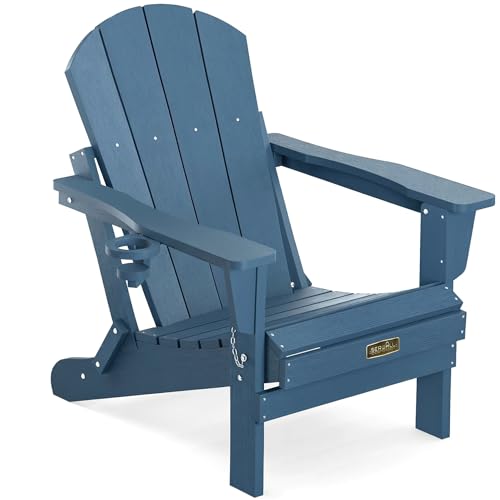
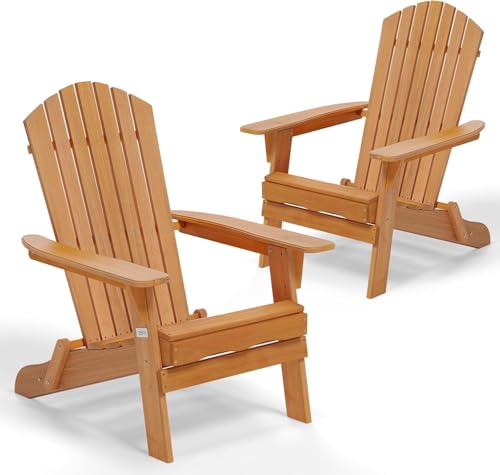
A low profile Adirondack chair is a variation of the traditional Adirondack design in which the backrest is shorter and the seat sits lower to the ground. The fan-shaped back, wide flat armrests, and slanted seat remain, but the overall vertical footprint is reduced. This makes the chair feel more grounded and visually lighter in a space.
The lower back also changes the seating posture. Instead of the deep, almost reclined lean of a full-height Adirondack, a low profile model tends to offer a more upright, conversational sit — while still keeping the relaxed, outdoorsy character that made the original so popular.
If you are furnishing a compact balcony or a modern deck, the lower silhouette integrates more naturally. For a broader look at seating options, see our guide to lawn furniture and our collection of lounge chairs.
Key Benefits of the Low Profile Design
1. Better Sightlines and Conversation
Because the back is shorter, you can see over the chair more easily. In a circle around a fire pit or a small conversation area, low profile chairs let everyone maintain eye contact without leaning forward. This is a major reason they are popular for outdoor lounge sets and fire-side seating.
2. Fits Tighter Spaces
A shorter back means the chair can tuck under a railing, sit in front of a low window, or line a narrow porch without blocking the view. If your outdoor area is limited, a low profile chair often works where a full-height Adirondack feels bulky.
3. Modern, Grounded Aesthetic
The reduced height gives the chair a contemporary, low-slung look that pairs well with minimalist and modern patio styles. It reads as intentional and architectural rather than rustic.
4. Easier to Get In and Out (for Some)
While the lower seat can be harder for people with limited mobility, the more upright back angle means you are not sinking as far back. For many users, this makes the chair feel more stable and easier to rise from than a deep reclining Adirondack.
Consider this: If you regularly host elderly guests or anyone with knee or hip concerns, pair low profile chairs with a sturdy side table or armrest to aid getting up. Our guide to large outdoor tables covers companion pieces that work well.
Materials: What to Look For
The material you choose determines how the chair ages, how much maintenance it needs, and how it feels in use. Here is a practical breakdown.
Wood (Cedar, Teak, Acacia)
Wood is the traditional choice and offers warmth and character. Cedar and teak are naturally weather-resistant; acacia is a solid mid-range option. Wood chairs can be sanded and refinished over time, making them a long-term investment. Look for stainless steel or coated hardware to avoid rust stains.
High-Density Polyethylene (HDPE) / Poly Lumber
Recycled plastic lumber has become a top-tier choice for outdoor furniture. It does not rot, splinter, or need painting, and it handles sun and rain with minimal care. Premium poly chairs often mimic wood grain. This is the most low-maintenance route and a smart long-term investment for harsh climates.
Aluminum
Lightweight and rust-proof, aluminum is excellent for balconies and spaces where you move chairs often. High-grade powder-coated aluminum is durable, though it can feel less substantial than wood or poly. It is a strong mid-range to premium option for modern settings.
Resin / Plastic
Entry-level resin chairs are lightweight and easy to clean, but they may fade or become brittle over years of direct sun. They suit occasional use and starter setups. If you want longevity, step up to HDPE.
| Material | Tier | Maintenance | Best For |
|---|---|---|---|
| Teak / Cedar | Premium | Periodic oiling or sealing | Classic look, long-term ownership |
| HDPE / Poly Lumber | Premium to top-tier | Soap and water rinse | Low-maintenance, all-weather use |
| Powder-Coated Aluminum | Mid-range to premium | Wipe down | Balconies, modern decks, portability |
| Acacia Wood | Mid-range | Seal annually | Warm natural look on a considered tier |
| Resin / Plastic | Entry-level | Minimal | Occasional use, starter outdoor setups |
For a deeper material comparison, read our guide to the longest-lasting outdoor furniture material and our material guide.
Comfort and Ergonomics
A chair can look right and still feel wrong. When evaluating a low profile Adirondack chair, focus on these dimensions:
- Seat height: Lower than a standard Adirondack. Check that it is comfortable for your leg length and that you can rise without strain.
- Seat depth: Deeper seats feel more reclined; shorter seats suit smaller users. Aim for a depth that lets your back rest against the backrest with a small gap behind your knees.
- Back angle: Low profile chairs tend to be more upright. Test the recline angle relative to how you plan to use the chair — reading, conversation, or napping.
- Armrest width: Wide flat arms are a hallmark of the Adirondack style and useful for resting a drink or a book.
- Cushion support (optional): Many models accept an optional cushion. If you plan to add one, account for the extra height and depth.
If you prefer a chair that fully supports lounging and sunbathing, a large lounge chair or a lounge chair with ottoman may be a better match. For tanning-focused seating, see our notes on lounge chairs for tanning.
Design Styles and Where They Fit
Coastal and Nautical
White, navy, or weathered-gray low profile chairs suit coastal themes. Pair them with a lanai patio setup for a relaxed indoor-outdoor transition.
Modern and Minimalist
Dark charcoal, black, or natural aluminum finishes work well against concrete, composite decking, and clean-lined architecture. These chairs ground a space without adding visual clutter.
Rustic and Farmhouse
Natural wood tones with visible grain fit a rustic or farmhouse aesthetic. Combine with a low picnic table for a coordinated, family-friendly outdoor dining area.
Fire Pit and Conversation Zones
Low profile chairs are exceptionally well-suited to fire pit layouts because the lower back does not block heat or sightlines. For a complete setup, look at matching patio dining and conversation sets.
How Many Chairs Do You Need?
Low profile Adirondack chairs are often bought in pairs or fours. A pair works well on a balcony or beside a small table; four creates a conversation circle. If you are building a larger seating zone, consider a mix of chairs and a small sofa. Our guide to outdoor lounge sets and loveseats with ottoman can help you plan the layout.
For a space-conscious alternative to a full dining set, a bistro set paired with two low profile chairs creates a compact, flexible arrangement.
Care and Maintenance
- Wood: Clean with mild soap and water; re-oil or seal annually depending on exposure. Inspect hardware for tightness.
- HDPE / Poly: Rinse with a hose and wipe with mild soap. No sealing required. Avoid abrasive cleaners that can dull the surface.
- Aluminum: Wipe with a damp cloth. Touch up any scratches with matching paint to preserve the coating.
- Resin: Clean regularly to prevent staining. Store or cover during extreme weather to extend useful life.
In windy or snowy regions, store or cover chairs during the off-season. Our guide to large outdoor storage containers waterproof and large deck boxes covers storage options.
Buying Checklist
- Measure your space: Confirm the chair fits your patio, deck, or balcony and leaves room to walk around.
- Decide on material tier: Entry-level resin for occasional use; mid-range aluminum or acacia for balanced durability; premium poly or teak for long-term ownership.
- Test the seat height and depth: If buying online, read the dimensions carefully and check the return policy.
- Check the weight capacity: Confirm the chair supports the intended users comfortably.
- Plan the layout: Pair chairs with a side table or fire pit for a complete conversation zone.
- Consider weather: Choose a material that suits your climate and storage options.
Ready to Choose Your Low Profile Adirondack Chair?
Explore curated options that balance comfort, durability, and design for your outdoor space.
View Recommended ChairsFrequently Asked Questions
Is a low profile Adirondack chair comfortable for long periods?
Yes, for many users. The more upright back angle can be comfortable for reading and conversation. If you prefer a deep recline, a standard-height Adirondack or a large lounge chair may suit you better. Adding a cushion can improve long-session comfort.
Can low profile Adirondack chairs be used around a fire pit?
Absolutely. The lower back improves sightlines and heat flow, making them a natural fit for fire pit seating. Pair four chairs around a fire pit for a complete conversation zone, and see our large outdoor dining table with fire pit guide if you want a combined dining and fire feature.
What is the best material for a low profile Adirondack chair?
It depends on your priorities. HDPE poly lumber is the lowest-maintenance and most weather-resistant. Teak and cedar offer classic beauty and longevity with some upkeep. Powder-coated aluminum is lightweight and modern. Resin is an entry-level option for occasional use.
How do I clean a low profile Adirondack chair?
Use mild soap and water for most materials. Rinse thoroughly and dry with a cloth. For wood, re-oil or seal annually. Avoid harsh abrasives on poly and aluminum. Check hardware periodically and tighten as needed.
Do I need cushions for a low profile Adirondack chair?
Cushions are optional but can improve comfort, especially for longer sitting sessions. Choose cushions designed for outdoor use with quick-drying foam and UV-resistant fabric. Account for the added height when checking seat dimensions.
How many low profile Adirondack chairs fit on a small patio?
On a compact patio or balcony, two chairs with a small side table is a practical arrangement. Measure your space and allow clearance for walking. For tighter spaces, consider folding or stacking models if available.
Related Guides
Explore more outdoor seating and furniture guidance:
- Lounge Chairs — a full overview of outdoor lounging options
- Lawn Furniture — seating and tables for lawns and gardens
- Outdoor Lounge Sets — coordinated seating groups
- Luxury Outdoor Furniture — premium materials and design
- Low Picnic Table — low-height dining companion piece
- Matching Patio Dining and Conversation Sets — coordinated layouts