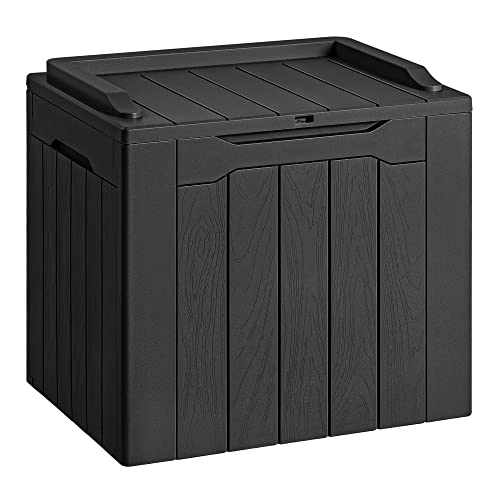
Large Outdoor Storage Containers Waterproof: The Complete Buyer's Guide
Protect cushions, pool gear, and garden tools from rain, sun, and pests with a weatherproof storage solution built to last. Learn how to choose the right size, material, and sealing system before you buy.
Why this guide matters: If you are researching large outdoor storage containers waterproof models, you already know what you want to store. What you likely still need is clarity on materials, lid sealing, load ratings, and long-term durability. This guide walks you through each decision point so you can choose confidently and buy once.
Who Should Consider a Large Waterproof Storage Container?
A large outdoor storage container waterproof is a practical investment for several types of homeowners. If any of the following profiles describes you, this category is worth serious consideration:
- Patio and deck owners who need to store deep-seating cushions, throw pillows, and outdoor blankets between uses.
- Pool owners who want a secure place for towels, floats, and pool chemicals away from splashing and rain.
- Gardeners who need to keep tools, soil amendments, and pots dry and organized near the planting area.
- Entertainers who want quick access to table linens, serving pieces, and seasonal decor without hauling items indoors.
- Small-space dwellers with balconies or compact patios who need one multi-purpose unit that doubles as seating.
For those working with a compact footprint, pairing a storage box with a lanai patio layout or a large deck box strategy can maximize usable space while keeping the area tidy.
Understanding Sizes: What Counts as "Large"?
In the outdoor storage market, "large" is a relative term. Most manufacturers categorize capacity in gallons or cubic feet, but the usable interior shape matters just as much as the raw number. Here is how the category typically breaks down using universal quality tiers:
| Tier | Typical Capacity Range | Best For | Considerations |
|---|---|---|---|
| Starter tier | 50 to 75 gallons | Small cushion sets, pool towels, garden hand tools | Lighter build; verify lid seal quality |
| Balanced tier | 100 to 150 gallons | Full deep-seating cushion sets, mixed patio gear | Often doubles as seating; check load rating |
| High-end tier | 150 to 230+ gallons | Large sectional cushions, pool equipment, multi-season storage | Heavier empty weight; needs a level base |
Measure the longest cushion or item you plan to store, then add at least four inches on each dimension for airflow and easy loading. If you are also upgrading your seating area, a large sectional couch with pull-out bed may generate bulkier cushions that require the high-end tier.
Materials That Deliver True Waterproof Performance
Not every plastic box is waterproof. The material and construction method determine whether your gear stays dry through a driving rainstorm. Here are the main material families and what each delivers:
High-Grade Resin and Polypropylene
Resin is the most common material for large outdoor storage containers waterproof designs. High-grade polypropylene resists UV fading, does not rust, and can be molded with sealed seams. Mid-range and premium resin boxes often include double-wall construction and a gasketed lid. This is the most balanced choice for most homeowners.
Marine-Grade Plastic and HDPE
High-density polyethylene (HDPE) is the same family of material used in marine environments. It is heavy-duty, impact-resistant, and naturally waterproof. Containers in the top-tier often use HDPE with reinforced corners and stainless-steel hardware. These are ideal for coastal areas and year-round exposure.
Powder-Coated Steel and Aluminum
Metal containers offer a premium look and exceptional structural rigidity. The key is the coating: a rust-proof finish and sealed seams are essential. High-end tier metal boxes often use powder-coated aluminum with rubber gaskets. They are excellent for modern and industrial-style patios but require periodic inspection of the finish.
Wood and Composite
Wooden deck boxes can be beautiful, but natural wood requires sealing and maintenance to remain waterproof. Composite materials offer a wood-like appearance with better moisture resistance. If you choose wood, confirm that the interior is lined or sealed and that the lid has a drainage channel. For a furniture-matching look, browse options that complement a large outdoor table setup.
Sealing Systems: The Difference Between "Water-Resistant" and "Waterproof"
This is the single most important specification to verify. Many products labeled weather-resistant will keep out light rain but fail in sustained storms. Look for these features when evaluating large outdoor storage containers waterproof claims:
- Gasketed lid: A continuous rubber or silicone gasket creates a compression seal when the lid closes.
- Overlapping lid design: The lid should overhang the base so water runs off rather than seeping in.
- Raised interior lip: A raised lip around the opening prevents standing water from entering even if the lid is briefly open.
- Sealed seams and hardware: Look for ultrasonic welding or sealed joints, plus stainless or coated fasteners.
- IP rating: An IP54 or higher rating indicates tested resistance to dust and water splashing.
Entry-level boxes sometimes rely only on a tight-fitting lid without a gasket. Mid-range models typically add a gasket and overlapping lid. Premium and commercial-grade units combine all of the above with drainage channels and locking latches that compress the seal evenly.
Features That Improve Daily Usability
Beyond waterproofing, the best large outdoor storage containers waterproof models include thoughtful features that make them easier to live with:
- Dual-purpose seating lid: Reinforced lids support adult seating, turning storage into extra patio seating. Mid-range and premium tiers usually publish a seating load rating.
- Gas struts or soft-close hinges: These prevent the lid from slamming and make one-handed access easier when carrying cushions.
- Lockable latches: A padlock-compatible latch adds security for tools and pool chemicals. Look for stainless hardware to avoid corrosion.
- Ventilation options: Adjustable vents help balance waterproofing with airflow to reduce condensation and musty odors.
- Wheels or handles: Large containers are heavy when full. Caster wheels or integrated handles make repositioning practical for seasonal rearranging.
- Interior dividers or trays: Removable trays keep small items organized and accessible without unpacking the entire box.
If you plan to store pool chemicals or damp towels, consider a model with a removable inner liner. This makes cleaning easier and protects the main shell from spills. For those building a complete outdoor care station, the large outdoor plastic storage containers category offers additional material comparisons.
Where to Place Your Storage Container for Maximum Protection
Even the best waterproof container performs better when placed thoughtfully. Consider these placement guidelines:
- Level, well-drained surface: A flat patio slab or deck surface prevents warping and keeps the lid seal aligned.
- Slight elevation: Placing the box on a low platform or rubber feet keeps the base away from standing water.
- Away from direct sprinkler spray: Irrigation systems can force water into seams that rain alone would not penetrate.
- Shaded or partially shaded spot: Reducing direct UV exposure extends the life of resin and plastic materials.
- Convenient access: Position the box near the items it stores. A box for cushions should sit close to the seating area, not across the yard.
On a compact patio, a vertical or bench-style container can free up floor space. Pair it with a large outdoor dining table with umbrella hole layout to keep the center of the patio open while storage sits along the perimeter.
Maintenance That Keeps Your Container Waterproof
Waterproofing is not a one-time achievement. A few simple habits keep seals and surfaces performing for years:
- Clean the gasket seasonally: Wipe the lid gasket with mild soap and water, then apply a thin layer of silicone lubricant to keep it pliable.
- Inspect for cracks and warping: Check the lid and base after extreme temperature swings. Early repair prevents small leaks from becoming major ones.
- Drain and dry after storms: Remove any water that collects in lid channels or interior corners.
- Avoid overloading: Forcing the lid closed on bulky items breaks the seal and stresses hinges.
- Store dry items dry: Damp cushions trapped inside a sealed box encourage mold. Dry them before storing or choose a ventilated model.
For a broader seasonal maintenance routine, review the weatherproofing guide and the patio furniture covers guide to keep all your outdoor pieces protected.
Tier Comparison: What You Get at Each Level
| Tier | Construction | Sealing | Best For |
|---|---|---|---|
| Entry-level | Single-wall resin, basic hardware | Tight-fit lid, limited gasketing | Covered porches, light rain exposure |
| Mid-range | Double-wall resin or HDPE, reinforced base | Gasketed lid, overlapping design | Open patios, seating use, regular access |
| Premium | HDPE or powder-coated aluminum, stainless hardware | Full perimeter gasket, drainage channels, lockable latches | Year-round exposure, coastal areas, heavy loads |
| Commercial-grade | Reinforced HDPE or marine-grade metal, welded seams | Multi-point compression seals, IP-rated | High-traffic patios, pool decks, shared spaces |
The mid-range tier is the most balanced choice for typical residential use. It offers dependable sealing and reasonable seating capacity without the weight and expense of commercial-grade construction.
Frequently Asked Questions
What makes a large outdoor storage container truly waterproof?
A truly waterproof container uses sealed seams, a gasketed lid, and non-porous materials such as high-grade resin or marine-grade plastic. Look for raised lips, overlapping lids, and IP-rated weather seals for reliable protection against rain and splashing.
How much weight can a large waterproof deck box hold?
Load capacity varies by tier. Entry-level resin boxes often support seating weight for one adult, while mid-range and premium models with reinforced bases can handle multiple adults or heavy cushion stacks. Always check the manufacturer's static load rating.
Can waterproof outdoor storage containers be used as seating?
Many large deck boxes are dual-purpose and designed with a reinforced lid for seating. Mid-range and premium models commonly support two adults. Verify the seating load rating and choose a flat, rigid lid surface for comfort and safety.
How do I prevent condensation inside a sealed outdoor storage box?
Use a ventilated or breathable model if you store damp items, or add moisture absorbers and silica packs. Avoid sealing wet cushions inside; dry them first. Some premium boxes include adjustable vents that balance weather protection with airflow.
What size storage container do I need for patio cushions?
Measure your folded cushions and add a few inches on each side. A 100 to 150-gallon box typically fits a full deep-seating set, while 50 to 75-gallon boxes suit smaller conversation sets. Choose a size that leaves room for airflow and easy access.
Ready to Choose Your Waterproof Storage Solution?
You now have a clear framework for evaluating large outdoor storage containers waterproof models. Focus on the sealing system first, then match the capacity and tier to your actual storage needs. A mid-range unit with a gasketed lid and reinforced base delivers the best balance of protection, usability, and longevity for most patios and decks.
Explore our recommended products below to compare features and find the right fit for your outdoor space. For related storage and organization ideas, browse the large waterproof outdoor cushion storage box guide and the large outdoor plastic storage containers collection.
Explore Recommended Options