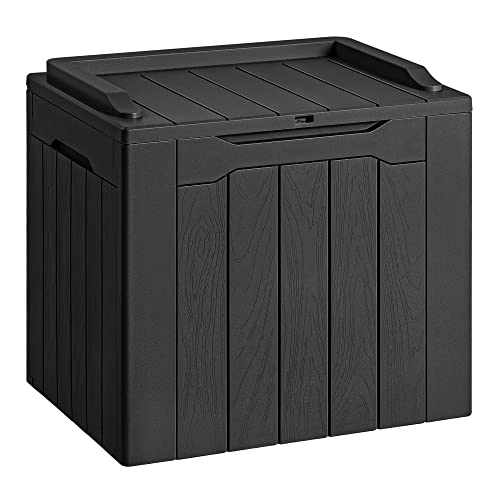
Large Waterproof Outdoor Cushion Storage Box
Keep your patio cushions dry, clean, and ready for the next gathering. This guide explains sizing, materials, sealing systems, placement, and care so you can choose a storage box that truly protects your outdoor seating.
Why this matters: Patio cushions are one of the most frequently replaced items in outdoor living. A large waterproof cushion storage box is the single most effective way to extend their lifespan, reduce mold risk, and keep your seating area looking fresh between uses. Below you will find everything needed to make a confident, informed choice.
What a Large Waterproof Cushion Storage Box Actually Does
A large waterproof outdoor cushion storage box is more than a container. It is a protective environment designed to shield fabric, foam, and stitching from the three biggest threats to patio cushions: rain, UV exposure, and humidity. Unlike open baskets or soft fabric bags, a rigid waterproof box creates a sealed barrier that keeps cushions dry during sudden storms and prevents pests from nesting inside the foam.
The best boxes combine a water-resistant body with a gasketed lid and a secure latch. This three-part system matters because water rarely enters through the walls; it usually seeps in through the lid seam or wicks up from the ground. Raised feet and a slightly sloped lid are simple design details that make a meaningful difference in real-world conditions.
For homeowners who already have a generous seating setup, pairing a storage box with the right furniture layout is key. If you are still planning your space, our waterproof outdoor storage containers guide and deck box overview provide useful context on how storage fits into a broader patio plan.
Sizing: How Large Should Your Box Be?
Size is the most common source of buyer regret. A box that is slightly too small forces you to stack cushions tightly, which traps moisture and creases the fabric. A box that is far too large wastes deck space and is harder to move. The practical approach is to measure, then add a buffer.
A simple sizing method
- Fold each cushion the way you would store it and measure the folded length, width, and height.
- Multiply by the number of cushions you plan to store at once.
- Add roughly 15 to 20 percent extra volume for airflow and easier loading.
As a general reference, a large box comfortably holds six to eight standard seat cushions plus their back cushions. If your seating includes deep lounge pieces, check our large lounge chair guide for cushion dimensions that may require a taller box. Homes with extensive seating may also benefit from reviewing large outdoor plastic storage containers as a complementary option for overflow items.
Quick reference: capacity by household size
Small household (2–4 seats): a mid-sized large box is usually sufficient. Medium household (4–6 seats): a standard large box with internal dividers works well. Large household or frequent entertainers (8+ seats): consider a top-tier large box or two coordinated units to avoid overpacking.
Materials Compared: Resin, Plastic, Metal, and Wood
The material of the box determines how long it lasts and how well it resists water over time. Each option has a clear place in the market, and the right choice depends on your climate, your deck surface, and how often you plan to move the box.
| Material | Tier | Water Resistance | Best For |
|---|---|---|---|
| Resin / heavy-duty plastic | Entry-level | Good; sealed lids available | Everyday patio use, humid climates, low-maintenance households |
| Reinforced polypropylene | Mid-range | Very good; gasketed lids common | Four-season patios, families, frequent opening and closing |
| Powder-coated metal | Mid-range | Good when seams are sealed | Modern decks, design-forward spaces, covered patios |
| Marine-grade composite | High-end tier | Excellent; designed for wet environments | Coastal homes, poolside decks, long-term investment |
| Teak or sealed hardwood | High-end tier | Very good with proper sealing | Rustic and farmhouse patios, covered areas, aesthetic-focused buyers |
Resin and reinforced polypropylene dominate the market for good reason: they are light enough to reposition, resist rot, and handle temperature swings without cracking. Metal boxes offer a sleeker look but require attention to hinges and seams. Wood boxes bring warmth but demand periodic resealing to maintain their water resistance. Our material guide explores these trade-offs in more depth if you are comparing across furniture categories.
The Features That Separate Real Waterproofing from Marketing Claims
Many boxes are described as water-resistant, which is not the same as waterproof. Water-resistant means the material slows moisture penetration; waterproof means the box is designed to keep water out under sustained rain. For cushion storage, you want the latter.
Look for these specific features
- Gasketed lid seal: a rubber or foam gasket around the lid perimeter is the single strongest indicator of genuine waterproofing.
- Overlapping lid design: a lid that overhangs the body sheds water away from the seam rather than letting it pool.
- Secure latches: two or more latches keep the lid compressed against the gasket, even in wind.
- Raised feet: elevating the box off the deck prevents water from wicking into the base.
- Ventilation ports: controlled airflow helps trapped humidity escape, reducing mold risk.
- UV-stabilized material: prevents the box itself from becoming brittle and cracking after seasons in the sun.
If your patio is exposed to strong sun, shade planning matters too. Pairing your storage setup with a large outdoor umbrella or a large patio umbrella reduces direct UV exposure on both cushions and box. For wide dining areas, a rectangular cantilever umbrella can cover both seating and storage zones.
Placement: Where the Box Should Live
Even a well-built box performs better in the right location. The goal is to minimize standing water and direct sun while keeping the box convenient to the seating area.
- On a covered porch or under a pergola: the ideal spot, reducing rain and UV exposure simultaneously.
- On a slight slope or with drainage: prevents water pooling around the base.
- Near the seating but out of the walking path: keeps loading easy without creating a tripping hazard.
- Away from sprinklers and gutter downspouts: avoids unnecessary water exposure.
If your patio includes a dining zone, placing the box near the table makes end-of-meal cleanup faster. Our dining table with umbrella hole guide and eight-seat round dining table overview show layouts where storage can sit unobtrusively at the edge of the seating area. A lanai patio setup is another excellent context for a covered, protected storage location.
How to Load and Organize Cushions Properly
Correct loading extends both cushion and box life. The principle is simple: dry, spaced, and elevated.
- Dry cushions completely before storing. Even slight dampness trapped inside a sealed box becomes a mold incubator.
- Stand cushions upright or loosely folded. Avoid compressing foam for long periods, which causes permanent creasing.
- Use dividers or mesh bags. Separating cushions improves airflow and makes retrieval easier.
- Add a moisture absorber. A reusable desiccant pack is a small addition with a large protective effect.
- Leave a little breathing room. Do not overfill; the lid gasket needs a clean surface to seal properly.
Seasonal tip
Before the cold season, wash and fully dry all cushions, inspect the box gasket for cracks, and store the box in its most protected location. This single routine dramatically reduces spring replacement needs.
If your patio includes a mix of seating types, our guides on lounge chairs and outdoor lounge sets help you estimate how many cushions a single large box can realistically hold. For larger properties, a large deck box can serve as a secondary storage point near a second seating zone.
Maintenance: Keeping the Box Waterproof Over Time
A waterproof box is not maintenance-free. Gaskets age, latches loosen, and debris collects in lid channels. A short seasonal routine keeps performance high.
- Clean the lid channel and gasket every few months to remove leaves and grit that break the seal.
- Inspect the gasket for cracks or compression; replace it if it no longer springs back.
- Tighten latches and hinges to maintain even lid pressure.
- Rinse and dry the interior at the start of each season to remove dust and any condensation.
- Check the base and feet for standing water after heavy rain.
For a broader maintenance framework, our outdoor care hub and waterproof storage containers guide cover cleaning routines and weatherproofing principles that apply across all outdoor storage.
Frequently Asked Questions
How do I know if a cushion storage box is truly waterproof?
Look for a sealed lid gasket, a water-resistant latching system, and materials described as waterproof rather than merely water-resistant. Raised feet and a sloped lid that sheds water are also strong indicators of real protection against rain.
What size storage box do I need for patio cushions?
Measure the folded dimensions of your largest cushion and multiply by the number of cushions you plan to store. Add roughly 15 to 20 percent extra room for airflow. A large box is generally the right choice for six to eight standard seat cushions plus back cushions.
Can I leave cushions in the box all winter?
Yes, provided the cushions are completely dry before sealing and the box is waterproof and ventilated. Adding a moisture absorber inside and elevating the box off wet ground will further protect cushions during cold, damp months.
Should the storage box have wheels?
Wheels are helpful if you plan to reposition the box often or move it between a deck and a storage area. For a box that stays in one place, sturdy feet or a flat base are usually more stable and equally protective.
Ready to Protect Your Patio Cushions?
Explore our hand-picked selection of large waterproof cushion storage boxes. Compare features, sealing systems, and capacities to find the right fit for your patio layout.
Explore Options