Large Outdoor Plastic Storage Containers: The Complete Buying Guide
Keep cushions, tools, toys, and patio accessories safe from rain, sun, and pests. Learn how to choose the right size, material, and tier for your outdoor space.
Why this guide matters: A large outdoor plastic storage container is one of the most practical purchases you can make for a patio or deck. It protects your outdoor investments, reduces clutter, and extends the life of cushions and covers. This guide walks you through the decisions that matter most — size, material, weather sealing, and build tier — so you can buy with confidence.
Why Large Outdoor Plastic Storage Containers Are Worth It
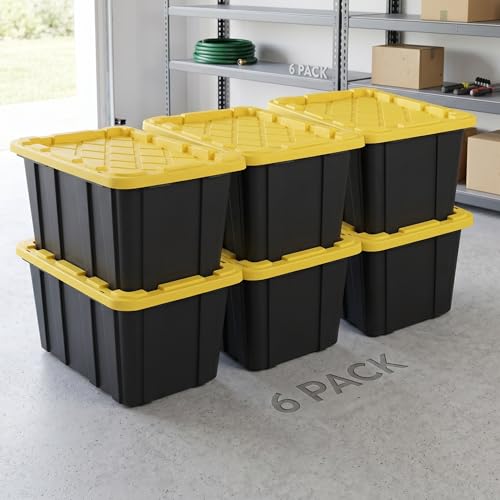
Outdoor living areas collect more gear than most homeowners expect: seat cushions, throw pillows, garden tools, kids' toys, pool accessories, grill covers, and seasonal decor. Leaving these items exposed shortens their lifespan and creates visual clutter. A dedicated large outdoor storage container solves both problems at once.
Plastic remains the most popular material for these containers because it is lightweight, rot-resistant, and easy to clean. Modern resin formulations are UV-stabilized and impact-resistant, which means a well-chosen container can handle years of sun, rain, and temperature swings. If you are also rethinking your seating layout, our guide to large deck boxes explains how storage can double as bench seating.
Beyond convenience, a sealed container keeps moisture and pests away from fabric items. That protection is especially valuable for anyone who has invested in quality outdoor cushions or a large sectional couch with pull-out bed that needs seasonal storage.
Sizing: How Large Should Your Container Be?
Size is the first decision most buyers face, and it is easy to get wrong. A container that is too small forces you to leave items out; one that is too large can dominate a small patio. Start by measuring the longest item you plan to store — usually a cushion or a folded umbrella — and add a few inches of clearance on every side.
Common sizing categories
- Compact storage boxes — best for small balconies and entryway clutter; suitable for towels, small tools, and shoes.
- Mid-size deck boxes — the most versatile category; typically holds several cushions, toys, and grilling accessories.
- Large and extra-large containers — designed for full cushion sets, pool gear, and bulky seasonal items.
- Commercial-grade units — oversized storage for shared spaces, rentals, and community patios.
If your priority is waterproof protection for fabric items, our dedicated page on large outdoor storage containers waterproof models goes deeper into sealing technology and lid design.
Materials and Weather Resistance
Not all plastic is created equal. The resin blend and wall thickness determine how well a container survives UV exposure, freezing temperatures, and heavy rain.
What to look for
- UV-stabilized resin — prevents fading, cracking, and brittleness over time.
- Double-wall construction — adds rigidity and insulation; common in premium tiers.
- Gasketed or sealed lids — the single most important feature for keeping moisture out.
- Reinforced base — prevents sagging when the container is fully loaded.
- Lockable latches — improves security and keeps lids tight in windy conditions.
Entry-level containers usually rely on a simple overlapping lid, which is fine for covered porches but not ideal for exposed decks. Mid-range and premium models add gaskets and sturdier hinges. Luxury and commercial-grade containers often combine double walls, metal-reinforced corners, and full-perimeter sealing.
Build Tiers: Matching the Container to Your Needs
To compare options without focusing on numbers, it helps to think in quality tiers. The table below summarizes how each tier typically performs.
| Tier | Best For | Typical Features |
|---|---|---|
| Entry-level | Covered porches, light use, small items | Single-wall resin, overlapping lid, basic handles |
| Mid-range | Everyday patio storage, cushion protection | Thicker walls, sealed lid, UV-stabilized resin, lockable latch |
| Premium | Exposed decks, year-round outdoor use | Double-wall construction, gasketed lid, reinforced base, bench seating |
| Luxury | Design-focused patios, large cushion sets | Premium finishes, soft-close hinges, full-perimeter sealing, integrated ventilation |
| Commercial-grade | Shared spaces, rentals, heavy-duty storage | Impact-resistant shell, metal reinforcement, high load ratings, lockable |
A mid-range container is usually the sweet spot for homeowners: it offers meaningful weather protection without the bulk of commercial-grade units. Premium models make sense when the container sits in direct sun or doubles as seating.
Features That Make a Real Difference
Lid design and sealing
The lid is where most moisture problems begin. A slightly domed lid sheds water, while a flat lid with a deep lip resists wind-driven rain. Gaskets are the gold standard for exposed locations. If you store cushions, prioritize a gasketed lid over extra capacity.
Ventilation
Sealed containers can trap condensation, especially in humid climates. Some premium and top-tier models include small ventilation channels that let moisture escape without letting rain in. A simple moisture absorber inside the box also helps.
Seating capability
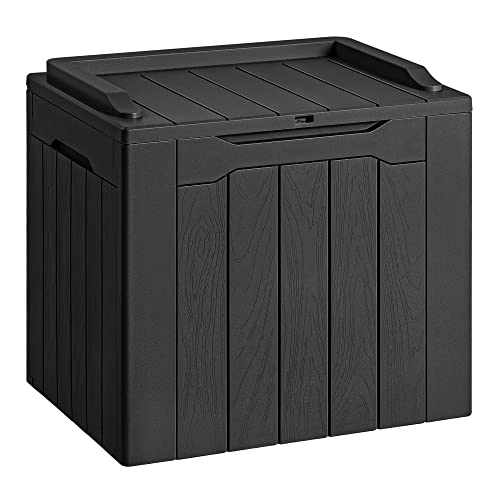
Many large deck boxes are designed to double as benches. Check the manufacturer's stated load rating and look for reinforced lids. This feature is common in premium and commercial-grade tiers and is a smart choice for smaller patios where furniture space is limited. Pair a bench-style box with a large patio umbrella to create a compact, functional seating zone.
Mobility
Large containers get heavy when full. Wheels or built-in handles make repositioning much easier, particularly for seasonal rearranging. Entry-level models often skip wheels, while mid-range and above frequently include them.
Security
Lockable latches deter casual tampering and keep lids closed during storms. If your patio is accessible to neighbors or shared with a rental unit, a lock-ready container is a worthwhile feature.
Where to Place Your Storage Container
Placement affects both convenience and longevity. Keep these guidelines in mind:
- Elevate slightly — set the container on a paver or small platform so water does not pool underneath.
- Avoid direct sprinkler spray — constant water exposure tests even the best seals.
- Leave clearance for the lid — you need room to open the container fully.
- Consider sun exposure — UV-stabilized resin handles sun well, but shade extends the container's lifespan.
- Keep it near the items it stores — a box next to the seating area gets used; one tucked in a far corner does not.
On a compact patio, a storage box can anchor a seating arrangement. Combine it with a large lounge chair or a large outdoor table to build a cohesive layout without sacrificing function.
Maintenance Tips for Long-Term Performance
Plastic containers are low-maintenance, but a few habits keep them in top shape:
- Rinse the interior at the start of each season and let it dry fully before loading.
- Wipe the lid gasket with a damp cloth to remove debris that can break the seal.
- Check latches and hinges periodically and tighten any loose screws.
- Store textiles only when completely dry to prevent mildew.
- Use a moisture absorber in humid climates, replacing it every few months.
If you also maintain fabric items, our guide to a large waterproof outdoor cushion storage box covers the specific care needs of cushions and covers.
Common Mistakes to Avoid
- Buying by appearance alone — a stylish container with a weak lid seal will disappoint.
- Underestimating cushion size — measure before you shop; cushions are bulkier than they look.
- Ignoring drainage — containers placed directly on wet ground can accumulate moisture.
- Skipping the lock — in shared or windy spaces, a latch makes a real difference.
- Overloading — respect load ratings, especially on bench-style boxes.
Matching Storage to Your Patio Style
Storage does not have to look utilitarian. Neutral resin finishes blend into most outdoor palettes, while wood-grain textures suit rustic and farmhouse layouts. If your patio leans modern, choose a clean-lined box with hidden hinges. For a coastal look, lighter tones and rounded edges work well. The goal is a container that feels intentional rather than an afterthought.
Once storage is sorted, you can focus on the fun parts of patio design — seating, shade, and dining. A tidy, protected space makes every other purchase more enjoyable.
Frequently Asked Questions
What size large outdoor plastic storage container do I need?
Measure the items you plan to store, then add a few inches of clearance on every side. For cushion storage, choose a container at least as long as your longest cushion. For general patio gear, a mid-tier container in the 100 to 150 gallon range usually covers most households, while top-tier commercial-grade models go much larger.
Are plastic storage containers truly weatherproof?
Most quality plastic containers are water-resistant rather than fully waterproof. Look for models with sealed lids, gasketed edges, and UV-stabilized resin. Premium and luxury tiers often add double-wall construction and locking latches that keep out rain, dust, and pests far better than entry-level bins.
Can large plastic storage containers stay outside all winter?
Yes, if the container is made from UV-stabilized, impact-resistant resin. Heavy-duty and commercial-grade models handle freezing temperatures and snow loads well. Always check that the lid is secure and the base is elevated slightly so melting snow does not seep inside.
How do I stop moisture and condensation inside an outdoor storage box?
Use a container with a gasketed lid, place a moisture absorber or silica packet inside, and avoid storing damp items. Ventilated mid-range and premium models reduce condensation, while some top-tier boxes include built-in ventilation channels.
Are plastic storage containers strong enough to sit on?
Many large deck boxes are designed as bench-style seating. Look for reinforced lids and weight ratings stated by the manufacturer. High-end tier and commercial-grade containers typically support adult seating, while entry-level bins are not built for that purpose.
Final Checklist Before You Buy
- Measure your longest cushion and confirm interior dimensions.
- Confirm the lid has a gasket if the container will be exposed to rain.
- Check the load rating if you want bench seating.
- Look for UV-stabilized resin and a reinforced base.
- Decide whether wheels or handles are necessary for your layout.
- Choose a tier that matches your exposure level and storage volume.
With these criteria in mind, you can narrow the field quickly and choose a container that protects your outdoor gear for years. Explore the recommended products below to compare specific models that fit each tier.
Explore Recommended Containers