How to Oil Outdoor Teak Furniture
Restore and protect your teak with the right oil, technique, and care routine. Keep your furniture looking beautiful for decades.
Shop Teak Oils & CareTeak is one of the most durable woods for outdoor furniture — but even teak needs care to maintain its rich color and resist weathering. Oiling is a simple, effective way to rejuvenate and protect your investment. This guide covers everything you need to know, from why oiling matters to step-by-step application.
Why Should You Oil Outdoor Teak Furniture?
Teak naturally contains oils that make it resistant to rot, insects, and moisture. However, outdoor exposure to UV rays, rain, and temperature fluctuations can dry out the surface, leading to a silvery-gray patina. While many love this weathered look, others prefer the warm, honey-brown color of fresh teak. Oiling helps:
- Restore color – Bring back the golden-brown hue.
- Protect against moisture – Prevent cracking and splitting.
- Reduce dirt adhesion – Make cleaning easier.
- Enhance natural grain – Highlight the beauty of the wood.
If you own teak wood furniture, oiling is an essential part of long-term care. It’s a simple process that can be done once or twice a year, depending on your climate and exposure.
When to Oil Teak Furniture
Timing matters. Oil your teak when the wood feels dry to the touch or looks faded. A simple water test: sprinkle a few drops on the surface. If the water beads up, the wood still has natural oils. If it soaks in immediately, it's time to oil.
Best time: Spring or early summer, when temperatures are between 60–80°F (15–27°C) and humidity is moderate. Avoid oiling in direct sunlight or before rain.
Choosing the Right Teak Oil
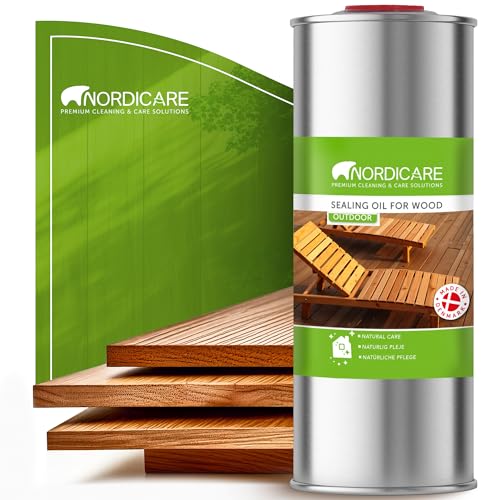
Not all oils are created equal. For outdoor teak furniture, choose a high-quality teak oil or tung oil that penetrates deeply and offers UV protection. Avoid linseed oil or varnishes, as they can form a film that cracks and peels.
| Oil Type | Best For | Application | Longevity |
|---|---|---|---|
| Pure Teak Oil | Restoring color, deep penetration | Easy, wipe-on | 6–12 months |
| Tung Oil (pure) | Hard finish, water resistance | Multiple coats, buff | 12–18 months |
| Teak Sealer + UV | Long-lasting protection | Brush or spray | 2+ years |
| Danish Oil | Indoor/light outdoor use | Easy wipe-on | 3–6 months |
For most outdoor furniture, a quality teak oil with UV inhibitors is the best choice. It restores color, protects against sun damage, and is easy to apply. If your furniture has outdoor dining swivel chairs or a dining set, oiling the frames will keep them looking cohesive.
How to Oil Teak Furniture – Step by Step
Follow these simple steps for a professional-looking finish that lasts.
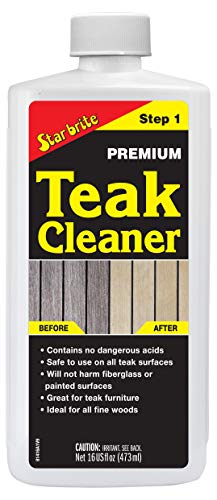
- Clean the surface – Remove dirt and grime with a teak cleaner or mild soap and water. Let dry completely (at least 24 hours).
- Light sanding (optional) – For older or gray wood, sand lightly with 120-150 grit sandpaper to open the pores. Wipe off dust.
- Apply oil – Use a clean cloth or brush to apply a generous, even coat. Work in the direction of the grain.
- Let it penetrate – Wait 15–30 minutes, then wipe off excess oil with a clean cloth. Do not let it pool.
- Buff and dry – Buff the surface with a soft cloth to remove any residue. Allow 24–48 hours to cure before using.
Pro tip: Apply two thin coats for better protection. Wait 24 hours between coats.
Maintenance & Frequency
Regular maintenance extends the life of your teak. Oil once a year for moderate climates, twice a year for harsh sun or coastal areas. Between oilings, clean with a soft brush and mild soap to remove surface dirt.
If you have teak chairs dining or a full dining set, consider oiling all pieces at the same time to maintain color consistency. For large pieces like wooden park bench styles, use a brush or roller for even coverage.
Common Mistakes to Avoid
- Over-oiling – Too much oil can create a sticky surface. Always wipe off excess.
- Using the wrong oil – Avoid boiled linseed oil or mineral oil; they don't cure properly for outdoor use.
- Oiling dirty wood – Always clean thoroughly before oiling to avoid sealing in grime.
- Oiling in direct sunlight – Heat causes oil to dry too quickly, leading to uneven absorption.
Alternatives to Oiling
If you prefer the natural silver-gray patina, you don't need to oil at all. Teak is perfectly durable without it. For those who want protection without color change, a clear teak sealer is an option. However, oiling remains the most popular method for restoring and preserving the classic warm hue.
For other outdoor wood types, check out our wood furniture care guide for tailored advice.
Frequently Asked Questions
How often should I oil my outdoor teak furniture?
Typically once a year. In harsh climates or with heavy use, twice a year is recommended.
Can I use teak oil on other woods?
Yes, teak oil works on many dense hardwoods like mahogany, iroko, and oak. Test on a small area first.
Do I need to sand before oiling?
Not always. Sanding is only necessary for heavily weathered or rough wood. Light sanding helps penetration.
Is teak oil toxic or harmful?
Most teak oils are low-VOC and safe once cured. Use in a well-ventilated area and wear gloves if you have sensitive skin.
Ready to Restore Your Teak?
Shop our top-rated teak oils, cleaners, and applicators. Keep your furniture beautiful for years to come.
Browse Teak Care Products