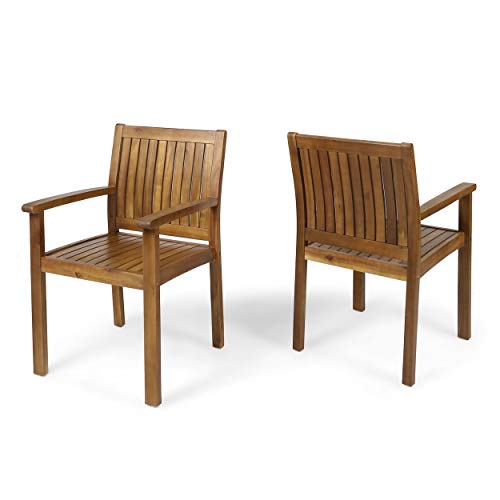
Teak Dining Chairs: The Complete Buying Guide
Everything you need to choose durable, comfortable, and beautiful teak dining chairs for your patio — from wood grades and joinery to finishes and seasonal care.
Jump to the Buying ChecklistWho this guide is for: You already know you want teak dining chairs, but you need clarity before you buy. This guide walks you through wood grading, construction details, comfort features, finish options, and long-term care so you can compare options with confidence and choose the right set for your outdoor space.
Why Teak Is a Top Choice for Outdoor Dining Chairs
Teak has been the benchmark hardwood for outdoor furniture for generations. Its natural oils and dense grain make it naturally resistant to moisture, rot, and insect damage — properties that matter enormously for chairs that live outdoors through sun, rain, and temperature swings. Unlike many softwoods and lesser hardwoods, teak does not require chemical pressure treatment to perform well outside.
Beyond durability, teak offers practical advantages for dining seating. It is dimensionally stable, meaning it resists warping and cracking better than many alternatives when humidity changes. Its warm golden-brown tone ages gracefully into a silver-grey patina if left untreated, and it accepts refinishing well if you prefer to restore the original color. For homeowners building a long-term outdoor dining setup, teak represents a worthwhile investment that can serve for decades with basic care.
Teak also pairs naturally with other premium materials. If you are exploring complementary pieces, our guide to stainless steel and teak outdoor furniture explains how metal frames and teak elements work together in modern designs. For a broader overview of the material across furniture categories, see our teak furniture guide.
Understanding Teak Grades and Sourcing
Not all teak is equal. The grade of the wood directly affects density, oil content, and how well the chair will hold up over time. Understanding these tiers helps you compare products fairly without relying on marketing claims.
| Tier | Wood Source | Best For | Notes |
|---|---|---|---|
| Top-tier (Grade A) | Heartwood of mature plantation teak | Full-sun, year-round outdoor dining | Highest density and oil content; tight grain; longest service life |
| Balanced tier (Grade B) | Mixed heartwood and sapwood | Covered patios and seasonal use | Good durability with slightly more maintenance; may show more color variation |
| Essential tier (Grade C) | Younger wood or higher sapwood content | Sheltered porches and light use | Lighter weight and more porous; benefits from sealing and regular care |
Sourcing also matters. Plantation-grown teak from managed forests is the responsible choice and is widely available from reputable furniture makers. Look for clear labeling about the wood's origin and grade. If a product description is vague about the teak grade, treat that as a caution sign — premium makers are usually specific about what they use.
Construction and Joinery to Look For
The grade of the wood is only half the story. How the chair is built determines whether it stays solid through years of use. Here are the construction details that separate durable teak dining chairs from those that loosen and wobble.
- Mortise-and-tenon joinery: This traditional interlocking joint is the gold standard for wooden chairs. It distributes stress across a large surface area and resists racking far better than simple butt joints or screws alone.
- Corner blocks and braces: Look for reinforcing blocks at the leg-to-seat and leg-to-stretcher junctions. These add rigidity and reduce sway, which matters especially on uneven patio surfaces.
- Stainless steel or brass hardware: Any visible screws, bolts, or brackets should be corrosion-resistant. Standard steel hardware can rust and stain the wood over time.
- Sandwich construction on arms and legs: High-quality teak chairs often use laminated teak sections for curved arms and legs. This improves strength and stability compared with single-piece bent wood.
- Properly dried timber: Kiln-dried teak is more dimensionally stable and less prone to checking. Reputable makers specify the moisture content of their wood.
A well-built chair will feel solid when you lift it, show no wobble when you press on the seat corners, and have joinery that looks tight and flush. If you are comparing chairs side by side, the construction details often reveal more than the finish alone.
Comfort, Ergonomics, and Armrests
Dining chairs are used for extended periods — long lunches, evening dinners, and conversation that stretches past sunset. Comfort is not a luxury; it is essential. Teak dining chairs vary significantly in ergonomics, so pay attention to these features.
Seat height and depth. Standard dining chairs have a seat height of roughly 17 to 19 inches, which pairs with tables that are 28 to 30 inches tall. Seat depth of 17 to 20 inches suits most adults. Chairs that are too deep can feel unsupportive, while overly shallow seats reduce comfort during long meals.
Backrest angle and height. A slight recline of about 5 to 10 degrees from vertical is more comfortable than a perfectly upright back. Backrests that reach the mid-to-upper back offer better support than low-back designs.
Armrests. Armchairs are more comfortable for dining and conversation, and they make it easier to stand up from the table. Consider armrest height and width — they should support your forearms without forcing your shoulders up. If space is tight, armless chairs allow tighter seating arrangements, which is a common strategy in smaller dining areas. Our guide to space-saving furniture covers more ideas for compact patios.
Curved or contoured seats. Some teak chairs feature sculpted seats and backrests that follow the body's contours. These are noticeably more comfortable than flat-slat designs, especially during long meals. If you plan to add cushions, check that the seat dimensions accommodate standard outdoor cushion sizes.
Finishes: Natural Patina vs. Sealed Looks
One of the most common questions about teak is whether to leave it natural or apply a finish. Both approaches are valid — the right choice depends on the look you want and how much maintenance you are comfortable with.
Natural, untreated teak develops a silver-grey patina over time. This is the traditional approach and requires the least ongoing effort. The wood remains fully protected by its natural oils; the color change is purely cosmetic and does not indicate deterioration. Many homeowners prefer this weathered look for a relaxed, coastal, or rustic aesthetic.
Sealed or oiled teak retains the warm golden-brown tone of new wood. A teak sealer or furniture oil applied once or twice per year maintains this appearance. Oiled finishes penetrate the wood and enhance its natural water resistance. Avoid film-forming finishes like varnish or polyurethane — they tend to crack and peel as the wood expands and contracts, which can trap moisture and cause uneven weathering.
If you want to preserve the original color, choose a dedicated teak sealer rather than a generic wood finish. Sealer products are formulated to work with teak's natural oils and to resist mildew in outdoor conditions. Whichever route you choose, the key is consistency: either commit to a finish and maintain it, or leave the wood natural and let it weather evenly.
Sizing and Layout for Your Table
Before you buy, confirm that your chairs fit your table and your patio. A few simple measurements prevent the most common purchasing mistakes.
- Chairs per table edge: Allow about 24 inches of table edge per chair. A 72-inch rectangular table seats three chairs per long side; a 60-inch table seats two comfortably with room to spare.
- Clearance for movement: Leave at least 36 inches between the table edge and any wall, railing, or planter so chairs can slide in and out without scraping.
- Pull-out space: Account for the depth of the chair plus the space a person needs to stand up. In tight areas, armless chairs or chairs with a lower profile are easier to maneuver.
- Seat-to-table height: Match chair seat height to table height. Standard dining tables pair with standard chairs; counter-height and bar-height setups require correspondingly taller chairs.
- Round vs. rectangular tables: Round tables generally seat four to six chairs and can feel more sociable in compact spaces. Rectangular tables maximize seating along long edges.
If you are still deciding on the table itself, our articles on dining sets for four and square outdoor dining tables with umbrella holes offer detailed comparisons. For a more classic look, see our guide to tables and benches.
Care, Cleaning, and Seasonal Storage
Teak is low-maintenance, but a little care goes a long way toward extending the service life of your dining chairs. Here is a practical care routine.
Routine cleaning. Wash chairs with a mild soap solution and a soft brush two to four times per year, depending on exposure. Rinse thoroughly and allow to dry in the sun. Avoid harsh chemical cleaners and pressure washers, which can raise the grain and strip natural oils.
Handling stains and mildew. Light mildew on the surface can be removed with a diluted solution of mild detergent and water. For tougher spots, a dedicated teak cleaner restores an even tone without damaging the wood. Always test on a small, hidden area first.
Sealing if desired. If you want to maintain the golden-brown color, apply teak sealer once or twice per year. Clean and dry the chairs thoroughly before applying, and follow the product instructions for best results.
Seasonal storage. In mild climates, teak chairs can remain outdoors year-round. In areas with heavy snow, ice, or prolonged freezing, store chairs in a shed or garage. If storage is not possible, use breathable furniture covers rather than plastic tarps — breathable fabrics allow moisture to escape and prevent trapped humidity. During winter, tighten any loose hardware and inspect joinery for small gaps.
For broader outdoor care strategies, browse our outdoor care guides. If you are refreshing cushions to pair with your teak chairs, our article on replacement cushions for outdoor furniture covers sizing and fabric choices.
Teak Dining Chair Buying Checklist
Use this checklist when comparing products online or in person. It focuses on the details that matter most for long-term satisfaction.
Wood grade and sourcing
Confirm Grade A or high-quality plantation teak. Check that the maker specifies the grade and origin clearly.
Joinery quality
Look for mortise-and-tenon joints, corner blocks, and corrosion-resistant hardware. Avoid chairs assembled only with screws.
Comfort features
Check seat height, seat depth, backrest angle, and armrest support. Contoured seats add comfort for long meals.
Finish compatibility
Decide between natural patina and sealed looks. Ensure any pre-applied finish is appropriate for outdoor use.
Sizing for your table
Measure your table and patio clearance. Confirm the number of chairs and the space needed to slide in and out.
Warranty and support
Review the warranty terms and the maker's reputation. A solid warranty signals confidence in build quality.
Quick Comparison: Teak Dining Chair Tiers
The table below summarizes how different tiers compare across the features that matter most. Use it as a starting point for your research.
| Feature | Entry-Level | Mid-Range | Premium |
|---|---|---|---|
| Teak grade | Grade B/C blend | Grade A/B blend | Grade A heartwood |
| Joinery | Basic dowel and screw | Mortise-and-tenon with braces | Traditional mortise-and-tenon, laminated curves |
| Hardware | Coated steel | Stainless steel | Marine-grade stainless or brass |
| Comfort detailing | Flat slats | Contoured seat, mid-back | Sculpted seat and back, ergonomic armrests |
| Best for | Sheltered patios, light use | Covered patios, regular use | Full-sun exposure, year-round use |
Frequently Asked Questions
What grade of teak is best for dining chairs?
Grade A teak, which comes from the heartwood of mature trees, is the top-tier choice for dining chairs because it offers the highest density, natural oil content, and resistance to moisture and pests. Grade B and C teak can work in sheltered settings but generally require more maintenance and have shorter service lives.
Do teak dining chairs need to be treated or oiled?
Teak does not require treatment to remain durable outdoors. Left untreated, it develops an elegant silver-grey patina. If you prefer to preserve the golden-brown tone, apply a teak sealer or furniture oil once or twice per year. Avoid varnishes and polyurethanes, which can crack and trap moisture.
How many teak dining chairs fit around a standard table?
Most rectangular outdoor dining tables seat four to six chairs comfortably, while larger tables seat eight. Allow roughly 24 inches of table edge per chair and leave at least 36 inches between the table edge and nearby walls or rails so chairs can slide in and out easily.
Can teak dining chairs stay outside all year?
Yes. Teak is one of the most weather-resistant hardwoods and can remain outdoors year-round in most climates. In regions with heavy snow or extended freezing temperatures, storing chairs in a shed or covering them with breathable furniture covers helps prevent surface checking and extends their service life.
How do teak dining chairs compare with other outdoor woods?
Teak is generally denser and more naturally weather-resistant than most other outdoor hardwoods. It outperforms many softwoods and lesser hardwoods in moisture resistance and dimensional stability. If you are comparing materials, our sustainable materials guide discusses responsible sourcing considerations.
Should I pair teak chairs with a matching teak table?
A matching teak table creates a cohesive, classic look, but mixing materials can work well too. Teak chairs pair nicely with metal or glass tables for a contemporary feel. Explore pairing ideas in our guides to tables and chairs and teak furniture.
Ready to Choose Your Teak Dining Chairs?
Use the checklist and comparison tables above to narrow your options. Compare construction details, confirm sizing for your table, and decide on the finish that suits your maintenance preferences. When you have a shortlist, review each product's warranty and maker reputation before making your final decision.
For more inspiration and practical guidance, explore our related articles on teak garden chairs, teak benches, and teak Adirondack chairs to complete your outdoor dining space.