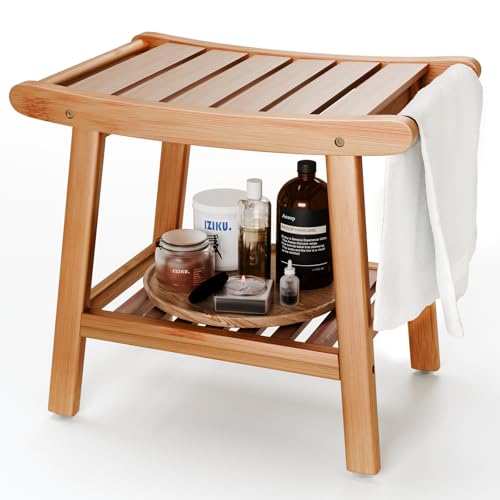
Teak Bench Guide: Materials, Styles & Buying Tips
Everything you need to know before choosing a teak bench — wood grades, joinery, comfort, weather resistance, and how to match the right bench to your outdoor space.
START THE GUIDEWhy a teak bench deserves careful research: A teak bench is a long-term outdoor investment. Natural teak oils and dense grain make it one of the most weather-resistant hardwoods available, but not every bench labeled "teak" is built to the same standard. This guide explains what separates a well-made bench from a basic one, so you can compare options with confidence before you commit.
Why Teak Is the Benchmark for Outdoor Benches
Teak (Tectona grandis) has been the preferred hardwood for outdoor furniture for generations, and the reasons are practical rather than fashionable. The wood contains natural oils and silica that resist moisture absorption, which means it handles rain, humidity, and seasonal temperature swings far better than most alternatives. Unlike many woods that require frequent sealing to survive outdoors, teak develops a protective silver-gray patina over time if left untreated — a look many homeowners deliberately preserve.
Beyond weather resistance, teak is dimensionally stable. It expands and contracts less than softer woods, so well-joined benches stay tight and wobble-free across seasons. The grain is straight and close, which allows clean machining and smooth surfaces that are comfortable to sit on without cushions. For anyone planning a permanent seating piece in a garden, patio, or porch, these properties translate directly into fewer repairs and a longer service life.
If you are still comparing wood species broadly, our teak furniture overview explains how teak sits relative to other hardwoods in outdoor settings. For a direct comparison with other bench materials, the stone garden bench guide is a useful contrast point on weight and permanence.
Understanding Teak Wood Grades and Sourcing
"Teak" on a product label does not describe a single quality level. The grade and origin of the timber strongly influence durability, appearance, and how the bench ages. Most reputable benches fall into three broad quality tiers:
- Entry-level tier: Often uses younger plantation teak or mixed heartwood and sapwood. It is serviceable outdoors but may show more color variation and require more frequent maintenance to stay looking uniform.
- Mid-range tier: Typically plantation-grown teak with a higher proportion of heartwood. Grain is more consistent, joinery is cleaner, and the bench holds up well under regular outdoor exposure.
- Premium and luxury tiers: Feature mature heartwood, tighter grain, and often traditional joinery techniques. These benches are the most dimensionally stable and age most gracefully, making them a long-term investment for a permanent outdoor setting.
Heartwood — the dense inner wood — is the key indicator of quality. It is darker, denser, and far more rot-resistant than the paler sapwood on the outside of the log. A bench built primarily from heartwood will outperform one with a high sapwood content, even if both carry the same "teak" label. When comparing listings, look for explicit mention of heartwood grade rather than generic wood descriptions. For buyers weighing quality tiers against long-term use, our splurge vs save analysis offers a useful framework.
Key Factors to Evaluate Before You Buy
Joinery and Construction
The joinery is where bench quality is most visible. Traditional mortise-and-tenon joints, doweled construction, and reinforced corner blocks indicate a bench built to last. Staples, screws driven into end grain, or excessive visible fasteners are warning signs of a lighter-duty build. A premium bench should feel solid with no creaking when you shift weight on it. Heavy-duty hardware — ideally stainless steel — matters as much as the wood, because rusting fasteners are the most common failure point on outdoor benches.
Size and Proportions
Bench length should suit both your space and your intended use. Two-seat benches work well for porches and small patios, while three-seat and longer garden benches suit open lawns and entertaining areas. Check seat depth and seat height carefully: a comfortable outdoor bench typically has a seat height that lets most adults sit with feet flat on the ground. Backrest angle also matters — upright backs suit dining-adjacent seating, while gently reclined backs are better for lounging. If space is tight, review our space-saving furniture ideas for layouts that keep seating functional without crowding.
Style and Placement
Teak benches range from classic English garden profiles to clean modern silhouettes and Adirondack-inspired forms. Match the style to your setting: a traditional slatted garden bench suits planted borders, while a streamlined backless bench works well against a patio wall or as a dining-side seat. For coordinated outdoor seating, the teak garden bench collection and teak Adirondack chairs share material and finish language, which helps a space feel intentional. If you plan to combine bench seating with a dining table, our guide to a solid wood dining table set with bench explains how bench seating pairs with tables in practice.
Finish and Aging
Teak can be left natural to weather into a silver patina, or oiled periodically to retain a warm honey tone. Neither approach is wrong — they are different maintenance commitments. Ask whether the bench ships with a factory finish and what the manufacturer recommends for upkeep. Benches with a pre-applied sealer will look uniform initially but still need reapplication over time. Natural, unfinished teak is the most forgiving starting point for buyers who prefer low-maintenance outdoor furniture.
Comparing Teak Bench Tiers at a Glance
The table below summarizes how bench tiers typically differ across the factors that matter most. Use it as a comparison framework rather than a shopping list — the right tier depends on your climate, placement, and how long you expect the bench to serve.
| Factor | Entry-Level Tier | Mid-Range Tier | Premium / Luxury Tier |
|---|---|---|---|
| Wood quality | Younger plantation teak, mixed heartwood | Plantation teak, majority heartwood | Mature heartwood, tight grain |
| Joinery | Basic fasteners, simpler assembly | Dowelled or mortise-and-tenon joints | Traditional joinery, reinforced corners |
| Hardware | Standard coated steel | Galvanized or basic stainless | Marine-grade stainless steel |
| Aging behavior | More color variation, needs refinishing | Ages evenly with periodic care | Patina develops gracefully, minimal upkeep |
| Best for | Occasional use, covered porches | Regular family use, patios and decks | Permanent garden settings, long-term investment |
For buyers also considering coordinated dining seating, the teak dining chairs and teak garden chairs follow the same tier logic, so a consistent tier choice across a set keeps quality and appearance aligned.
Caring for a Teak Bench Through the Seasons
Teak is low-maintenance, not zero-maintenance. A few simple habits keep a bench structurally sound and visually consistent:
- Clean regularly: A soft brush with mild soapy water removes dirt, pollen, and bird droppings before they work into the grain. Avoid harsh chemical cleaners and pressure washing, which can raise the grain.
- Decide on a finish strategy: Oiling once or twice a year preserves the golden tone; leaving it natural lets the silver patina develop. Stay consistent — switching back and forth produces uneven color.
- Inspect hardware seasonally: Check bolts and screws at the start of each season and tighten as needed. This is especially important on benches that flex under repeated use.
- Protect during extreme weather: In freezing climates, move smaller benches to a covered area or use a breathable cover. Trapped moisture under a non-breathable cover does more harm than direct rain.
- Address spills promptly: Teak resists stains well, but oils and dark liquids can leave marks if left on the surface. Wipe them up rather than scrubbing later.
For a broader maintenance routine covering all your outdoor pieces, see our weatherproofing guide. If the bench sits in strong sun, pairing it with a patio sun shade reduces UV-driven color fade and keeps the seat cooler.
Placement and Styling Ideas
Where a bench sits shapes how often it gets used. The most successful placements share three traits: a clear purpose, a comfortable microclimate, and a visual anchor.
Garden focal point: A bench at the end of a path or beneath a mature tree creates a natural destination. It reads as an invitation rather than leftover furniture. Positioning it against a hedge or fence line gives it a backdrop and a sense of enclosure.
Porch and entryway: A two-seat bench on a front porch adds curb appeal and practical seating. Pair it with a small side table and outdoor lighting for an evening-friendly setup. Our front porch decor guide covers how bench seating fits into a welcoming entry.
Patio and deck edge: Along a railing or patio boundary, a bench defines the edge of the living space without blocking circulation. For decks, a teak bench is a natural companion to other wood furniture, as described in our wood furniture care guide.
Paired seating: Two benches facing each other, or a bench plus armchairs, creates a conversation zone. This works especially well around a square fire pit or near a table with fire feature, where the bench provides overflow seating for guests.
For seasonal refreshes, cushions and throws let a single bench serve different looks across the year — see our spring decor ideas for light, bright styling approaches. If you are considering coordinating your whole outdoor seating scheme, the teak lounge chairs and teak furniture guide help maintain a consistent material palette.
Common Buying Mistakes to Avoid
- Assuming all teak is equal: The label says little about heartwood content. Ask about grade and origin, and compare joinery rather than marketing language.
- Ignoring seat comfort: A beautiful bench that is too deep, too low, or too upright will not get used. Sit-test dimensions against your body and intended activity.
- Overlooking hardware: Stainless or marine-grade fasteners are the difference between a bench that lasts and one that loosens and rusts within a few seasons.
- Buying for a space you have not measured: Bench length, clearance for walking, and door swing all matter. A quick measurement session prevents returns and rework. Our measurement guide walks through the essentials.
- Misjudging maintenance commitment: Natural teak and oiled teak look different and demand different routines. Choose the finish path you will actually follow.
Ready to Compare Teak Bench Options?
Use the buying factors above to shortlist benches that match your space, climate, and maintenance preference. The recommended products below are a practical starting point for comparison.
VIEW RECOMMENDED BENCHESFrequently Asked Questions About Teak Benches
Does a teak bench need to be oiled?
Not strictly. Oiling preserves the warm golden color and can slow moisture absorption, but untreated teak is designed to weather naturally into a silver-gray patina. The key is consistency — choose one approach and stick with it, because switching between oiled and natural finishes produces uneven coloring.
Can a teak bench stay outside all year?
Yes. Teak is one of the most weather-resistant hardwoods available and handles rain, humidity, and sun well. In freezing climates, it is still wise to clear snow and ice from the seat and check hardware at the start of each season. A breathable cover is preferable to a non-breathable one during long wet periods.
How can I tell high-quality teak from lower grades?
Look at the grain and joinery. Premium benches use mature heartwood with tight, straight grain and traditional joints such as mortise-and-tenon. Lower-tier benches may show more color variation between heartwood and sapwood and rely on simpler fastener-based construction. Explicit heartwood grade information is a strong positive signal.
What size teak bench should I choose?
Match the bench to both the space and the use. Two-seat benches suit porches and compact patios; three-seat and longer benches work for gardens and entertaining areas. Measure the available length plus clearance for walking and door swing before deciding. Seat height and depth matter as much as length for comfort.
Is a teak bench comfortable without cushions?
Yes, when the proportions suit you. Teak is smooth and dimensionally stable, so a well-shaped bench is comfortable for short sits and relaxed lounging. For longer sessions or a softer look, a thin outdoor cushion improves comfort and can be stored away when not needed.
How does a teak bench compare to other outdoor bench materials?
Teak is warmer and lighter than stone, more stable than many softwoods, and more repairable than metal. It does require periodic care if you want to maintain a uniform color, but its natural rot resistance means it holds up well with minimal intervention. Material choice ultimately depends on how permanent and how maintenance-light you want the piece to be.