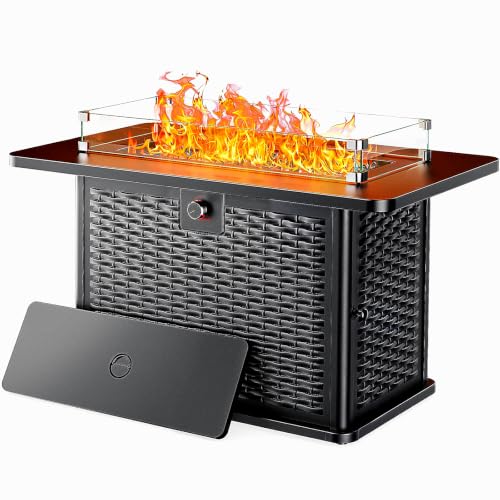
Table With Fire: The Complete Buying Guide
Everything you need to know about fire pit tables — how they work, which type fits your space, and how to choose a model that delivers warmth, ambiance, and lasting value for your outdoor gatherings.
START THE GUIDEWhy a fire table deserves a place in your research: A table with fire combines two of the most requested outdoor features into one footprint — a flat surface for drinks, plates, and decor, plus a controlled flame for warmth and atmosphere. If you are comparing options before buying, this guide walks you through fuel types, materials, safety clearances, and the design details that separate a good fire table from a great one.
A table with fire (often called a fire pit table or fire table) is an outdoor furniture piece with a burner integrated into the tabletop. The flame typically rises from the center or a side section, while the remaining surface functions as a normal patio table. This dual purpose makes fire tables especially popular for decks, patios, and covered porches where space is limited and every piece of furniture needs to earn its place.
Buyers researching this category usually already know they want fire and a table surface. What they still need is clarity on the trade-offs: propane versus natural gas, aluminum versus steel versus composite construction, glass versus stone fire media, and the difference between a table that merely looks good and one engineered for years of outdoor exposure. The sections below address each of these points in practical terms.
What Exactly Is a Fire Pit Table?
A fire pit table is a hybrid outdoor product. Its base houses a burner system, and its top provides a usable surface around the flame. Most models fall into one of three configurations:
- Central burner tables — the flame sits in the middle of a square, rectangular, or round tabletop. This is the most common layout for a table with a fire pit in the middle and offers the most balanced seating arrangement.
- Side burner tables — the flame occupies one end or a side section, leaving a larger uninterrupted surface for dining or serving. These suit narrow decks and balcony layouts.
- Dining-height fire tables — taller models designed to pair with dining chairs, sometimes with a removable lid that converts the burner into extra table space when the fire is off.
Beyond layout, fire tables differ in fuel source, construction material, ignition system, and heat output. Understanding these variables is the core of smart buying, and they are covered in detail below.
Propane vs. Natural Gas: Choosing Your Fuel Source
The fuel decision affects installation, portability, and long-term convenience. Both options produce a clean flame with no ash, sparks, or embers, which is why fire tables are generally considered deck-friendly compared with wood-burning alternatives.
| Fuel Type | Best For | Key Considerations |
|---|---|---|
| Propane (tank) | Renters, portable setups, patios without a gas line | No installation required; tank can be hidden inside the base on many models; requires periodic tank exchange or refill |
| Propane (hidden tank) | Clean aesthetics and easy relocation | Models such as a square fire pit with propane tank inside keep the cylinder out of sight for a tidier look |
| Natural gas | Permanent patios and outdoor kitchens | Requires a plumbed gas line and professional installation; no tanks to refill; fixed location |
| Bioethanol / gel | Apartments and balconies with strict rules | No gas line or tank; lower heat output; fuel is consumed faster per session |
For most homeowners, propane is the practical starting point because it requires no permanent modification to the property. If you plan to stay in your home long-term and entertain frequently, a natural gas connection is the more seamless long-term setup — you simply turn a valve and light the burner.
Construction Materials and Durability
The table's base and top determine how well it survives sun, rain, and temperature swings. Materials generally fall into these tiers:
Entry-Level Tier
Powder-coated steel and lighter aluminum frames. These models are typically suitable for covered patios and seasonal use. Look for a rust-proof finish and sealed seams; proper care extends their service life considerably.
Mid-Range Tier
Heavier-gauge aluminum, stainless steel accents, and composite or resin tops. This tier usually offers smoother ignition systems, better burner covers, and more consistent flame control. It is the sweet spot for most buyers who want durability without stepping into flagship territory.
Premium and Luxury Tiers
Cast aluminum, solid stainless steel, and natural stone or porcelain tile tops with high-grade burners. These tables are built for full-time outdoor exposure and often include electronic ignition, adjustable flame height, and integrated storage for the tank. They represent a long-term investment in outdoor living.
Whatever tier you choose, prioritize a weather-resistant coating, a burner rated for outdoor use, and a manufacturer warranty that covers the frame and ignition system separately.
Sizing, Placement, and Safety Clearances
Fire tables come in round, square, and rectangular footprints. A round table encourages conversation and works well in open patio areas. A square outdoor table maximizes usable surface per seat and fits neatly against walls or railings. Rectangular models suit longer seating arrangements and pair naturally with a sofa or bench.
Before buying, measure your space and confirm clearances:
- Keep at least 3 feet of clearance between the flame and combustible materials such as railings, umbrellas, and fabric.
- On wooden decks, use a heat-resistant mat or follow the manufacturer's underside clearance specification.
- Avoid placing the table under low pergola beams or directly beneath a fabric canopy unless the manufacturer explicitly permits it.
- Account for chair pull-out space — allow roughly 2 feet behind each seat for comfortable movement.
If your patio is compact, a table top portable fire pit can deliver the same ambiance on a smaller scale, while a full fire table anchors a larger seating zone. For buyers weighing how much to invest in the overall outdoor setup, our splurge vs save breakdown helps prioritize where extra spending actually improves the experience.
Features That Separate Good Fire Tables From Great Ones
- Ignition system: Push-button and electronic ignition are more convenient and reliable than match-lit burners, especially in windy conditions.
- Flame control: A adjustable valve lets you lower the flame for conversation and raise it for warmth on cool evenings.
- Burner cover or lid: A removable lid converts the fire section into usable table space when the flame is off — a genuinely useful feature for dining-height models.
- Fire media: Lava rock, glass beads, and ceramic logs each change the look and the way heat radiates. Glass offers a modern look; logs feel more traditional.
- Tank storage: Integrated storage keeps the propane cylinder hidden and protected, improving both aesthetics and safety.
- Heat output rating: Compare BTU ratings within the same tier to understand relative warmth; higher output suits cooler climates and larger seating circles.
Where a Fire Table Works Best
Fire tables shine in spaces where the same surface needs to serve multiple purposes. Common setups include:
- Conversation zones: Pair a round or square fire table with lounge chairs or a small sofa for an evening gathering spot.
- Dining and warmth: A dining-height fire table lets you serve dinner and extend the evening as temperatures drop.
- Small patios and balconies: A compact fire table replaces both a side table and a standalone heater, freeing floor space.
- Poolside lounging: A swivel chair patio set with fire pit pairs comfortable seating with a central flame for a resort-like layout.
- Transitional seasons: A fire table extends usable patio time into spring and fall, which is often when homeowners appreciate their outdoor investment most.
Care and Maintenance Basics
Fire tables are low-maintenance compared with wood-burning fire pits, but they are not maintenance-free. A simple routine keeps them looking sharp and burning cleanly:
- Cover the table when not in use to protect the burner and surface from debris and moisture.
- Clean the burner ports periodically to prevent clogs that cause uneven flames.
- Inspect the gas hose and connections each season for wear or leaks.
- Store the propane tank safely and disconnect it during extended periods of non-use.
- Wipe down the tabletop with a mild cleaner appropriate to the material — avoid abrasive pads on painted or powder-coated surfaces.
If you are planning a broader outdoor refresh, consider how a fire table fits with shade and lighting. A solar outdoor umbrella or solar lights can complement the flame's glow and keep the space usable through the evening.
Your Pre-Purchase Checklist
| Category | What to Confirm | Best For |
|---|---|---|
| Fuel source | Propane, natural gas, or gel; check installation requirements | Matching your patio's permanent setup |
| Table shape | Round, square, or rectangular; confirm chair clearance | Fitting your existing seating arrangement |
| Construction tier | Entry-level, mid-range, or premium materials | Balancing durability with long-term outdoor exposure |
| Ignition | Push-button, electronic, or match-lit | Convenience and wind resistance |
| Extras | Lid, tank storage, fire media, warranty coverage | Everyday usability and peace of mind |
Ready to Compare Fire Tables?
Browse our curated selection of fire pit tables and outdoor fire features to find the model that fits your patio, your seating, and the way you entertain.
EXPLORE RECOMMENDED MODELSFrequently Asked Questions
What is a table with fire?
A table with fire is an outdoor furniture piece that combines a functional tabletop with an integrated fire feature, typically a fire pit built into the center. It serves as both a gathering surface and a source of warmth and ambiance.
Are fire pit tables safe for wooden decks?
Propane and natural gas fire tables are generally safe for wooden decks because they produce controlled flames without embers or sparks. Always follow the manufacturer's clearance guidelines and use a heat-resistant mat underneath for extra protection.
How long does a propane fire table burn?
A standard 20-pound propane tank typically provides between 8 and 12 hours of burn time on a mid-range fire table, depending on the flame height setting and the burner's output rating.
Can you cook on a fire pit table?
Most fire pit tables are designed for ambiance and warmth, not cooking. However, some models include removable cooking grates or are compatible with accessories that allow light grilling. Check the manufacturer's specifications before attempting to cook.
Do fire tables work in cold weather?
Yes. Fire tables are commonly used in cooler months to extend patio time. Heat output varies by model, so compare BTU ratings within the same construction tier to understand relative warmth. In freezing conditions, allow extra time for the unit to reach full flame and keep the tank above freezing for consistent pressure.
What is the difference between a fire table and a fire pit?
A fire pit is typically a standalone, low-to-the-ground bowl or ring focused on the flame. A fire table integrates the fire into a flat surface, giving you both a usable tabletop and a fire feature in one footprint — making it more versatile for small spaces and multi-purpose patios.