Solid Wood Dining Table Set with Bench: The Complete Buying Guide
Everything you need to choose a durable, beautiful wooden dining set for your patio — wood species, bench styles, sizing, finishes, and long-term care.
Start With the ChecklistWhy this guide matters: A solid wood dining table set with bench is a long-term investment in your outdoor space. The right species, finish, and bench configuration determine how the set performs through seasons of sun, rain, and daily use. This guide walks you through each decision so you can buy with confidence.
Why Choose a Solid Wood Dining Table Set with Bench?
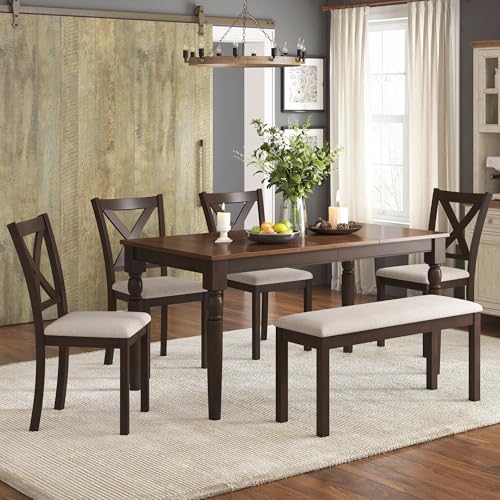
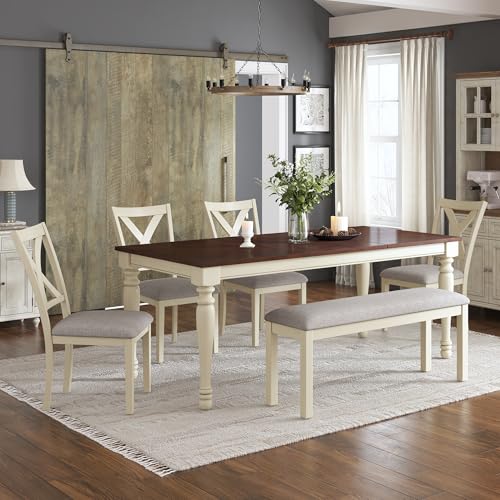
A solid wood dining table set with bench combines natural warmth, structural integrity, and generous seating in one cohesive package. Unlike glass or metal-and-resin combinations, solid wood develops character over time and can be refinished rather than replaced. The bench format is especially practical for patios: it tucks neatly under the table, seats multiple adults along one side, and creates an open, communal dining feel that chairs alone cannot replicate.
For homeowners comparing outdoor dining formats, the bench arrangement is a strong fit for family gatherings and casual entertaining. If you are weighing this format against other configurations, our guide to a table and bench seat combination explains how the layout compares for daily use versus occasional hosting. For larger patios or extended families, a solid wood dining table with bench and chairs offers a flexible hybrid that seats both bench-lovers and chair-preferrers at one table.
The Bench Advantage at a Glance
- Seating efficiency: a bench seats three adults comfortably where two chairs would fit.
- Clean sightlines: no chair backs cluttering the view across the patio.
- Storage-friendly: benches slide fully under the table, freeing floor space.
- Structural simplicity: fewer joints and legs to inspect, clean, and maintain.
- Design cohesion: a matched wood set reads as one intentional piece of furniture.
Understanding Wood Species: The Foundation of Durability
The species of wood determines how your set handles moisture, UV exposure, and temperature swings. Outdoor furniture lives a harsher life than indoor pieces, so species selection is the single most important buying decision. Below is a tier-based comparison using universal quality descriptors rather than any specific figures.
| Wood Species | Market Tier | Best For | Key Characteristics |
|---|---|---|---|
| Teak | Luxury | Year-round exposed patios | Natural oils resist moisture and insects; ages to a silver patina; exceptional longevity. |
| Acacia | Premium | Daily-use family patios | Dense grain, rich color variation, strong moisture resistance; solid long-term investment. |
| Eucalyptus | Mid-range | Covered patios and porches | Dense and weather-tolerant; benefits from annual sealing; good value for its tier. |
| Cedar | Mid-range | Seasonal outdoor use | Natural decay resistance, lightweight, pleasant aroma; needs periodic oiling. |
| Pine / Fir | Entry-level | Sheltered patios with diligent care | Solid construction when sealed; requires more frequent maintenance in wet climates. |
For a deeper look at long-lasting wooden pieces across the patio, our teak furniture guide and teak bench overview cover premium-grade options in detail. If your priority is sustainable sourcing, the sustainable materials guide explains which certifications to look for.
Bench Styles and Configurations
Not every bench is built the same. The bench style you choose affects comfort, seating capacity, and how the set integrates with your patio layout.
- Backless benches: the most space-efficient option. They slide completely under the table and suit casual, quick meals. Best for compact patios where flexibility matters — see our space-saving furniture ideas for layout inspiration.
- Benches with backrests: more comfortable for long dinners and conversation. They add visual height and a sense of enclosure to the dining area.
- Storage benches: a raised seat conceals cushion or tableware storage, reducing clutter on the patio.
- Curved benches: designed to pair with round or oval tables, encouraging natural group conversation.
- Bench-and-chair hybrids: one bench paired with two or four chairs. This is the most flexible arrangement for mixed-age groups and is the format used in many dining sets for four.
Which Bench Configuration Fits Your Patio?
Measure the table's long side first. A standard bench seats three adults across roughly the same span as three chairs, but with less elbow interference. If your patio has a wall or railing on one side, a backless bench against that edge preserves walking space. For a matched all-wood look, a table and benches pairing keeps the design unified and simplifies maintenance.
Sizing and Layout: Getting the Proportions Right
Proportion mistakes are the most common regret after purchase. A bench that overhangs the table looks unbalanced, and a table too wide for the patio creates cramped circulation. Use these guidelines when planning:
- Table length: allow about two feet of table edge per seated adult. A six-person bench set typically needs a table around six feet long.
- Bench height: the seat should sit roughly ten to twelve inches below the tabletop for comfortable leg clearance.
- Circulation: leave at least three feet of clear walking space behind seated guests.
- Umbrella compatibility: if you plan to add shade, confirm the table has a pre-drilled umbrella hole and a stable base — our table umbrella guide covers pairing options.
Finishes, Sealants, and Weather Protection
The factory finish is your set's first line of defense. A quality finish should be penetrating rather than purely surface-level, because wood expands and contracts with humidity. Oil-based finishes soak into the grain and flex with the wood; thick film finishes can crack under sun exposure. For maintenance planning, review our wood sealants guide and the broader weatherproofing guide.
- Re-oil annually for teak and acacia to preserve tone and moisture resistance.
- Use fitted covers during off-season months — see our patio furniture covers guide.
- Inspect joints and hardware each season; tighten bolts and treat any exposed end grain.
- Avoid harsh cleaners; mild soap and water protect the finish layer.
Buying Checklist: What to Verify Before You Commit
Use this checklist during research and before checkout. Each item corresponds to a failure point that shows up months or years after purchase.
| Checkpoint | What to Confirm | Why It Matters |
|---|---|---|
| Wood species | Species is named explicitly, not just "hardwood" | Determines real-world durability outdoors |
| Joinery | Mortise-and-tenon, dowel, or reinforced screw joints | Predicts structural longevity under load |
| Hardware | Rust-proof or stainless fasteners | Prevents staining and loosening over time |
| Finish type | Penetrating oil or UV-resistant coating | Protects against sun fade and moisture |
| Bench seating | Seat depth and weight rating disclosed | Comfort and safety for all guests |
| Assembly | Clear instructions and included tools | Reduces setup frustration and joint stress |
Caring for Your Wooden Dining Set Long-Term
Solid wood rewards consistent, simple care. Beyond annual sealing, keep the set free of standing water, avoid dragging benches across rough surfaces, and store cushions separately in a dry location. For a structured maintenance rhythm, the seasonal buying guide pairs well with a spring and fall inspection schedule. When you are ready to compare specific builds, our splurge vs save analysis helps you decide where to invest versus where to economize.
Frequently Asked Questions
Teak and acacia are top-tier choices because their natural oils and density resist moisture and insects. Cedar and eucalyptus are solid mid-range options, while pine and fir serve as entry-level picks when properly sealed and maintained.
Apply a weather-resistant sealant or oil finish at least once a year, use a fitted cover during off-season months, and wipe spills promptly. Teak can be left to develop a silver patina, but regular oiling preserves its original tone.
A typical bench on each side of a rectangular table seats three adults per bench, for six total. A single bench paired with chairs offers flexible seating for four to six people depending on table length.
Benches are comfortable for casual gatherings and family meals, especially when paired with a backrest or cushion. For extended dinner parties, a bench with an ergonomic back profile or a mix of bench and chairs provides better support.
Yes, if the wood is a dense, weather-resistant species and the set is sealed and covered during harsh seasons. Entry-level softwoods need more frequent inspection and re-sealing to remain durable outdoors.