Solid Wood Dining Table with Bench and Chairs: The Complete Buying Guide
Everything you need to know before choosing a wooden dining set that seats the whole family — from wood species and bench styles to seating comfort, weather protection, and long-term care.
Start Reading the GuideWhy this guide matters: A solid wood dining table with a bench and chairs is one of the most versatile purchases you can make for a patio or deck. It anchors family meals, casual gatherings, and weekend brunches — and when it is made from the right wood with the right finish, it can last for many seasons. This guide walks you through the decisions that actually affect your satisfaction, so you can buy with confidence rather than guesswork.
Why a Solid Wood Table with Bench and Chairs Works So Well
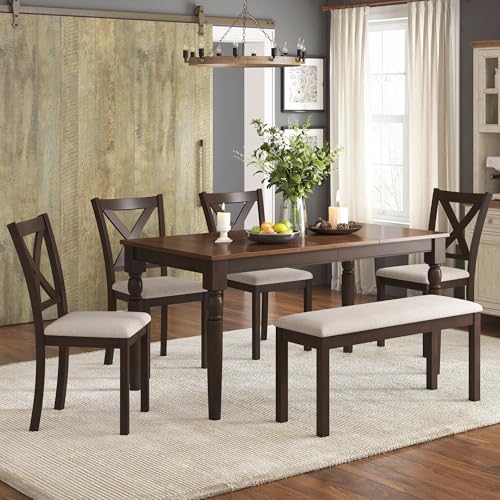
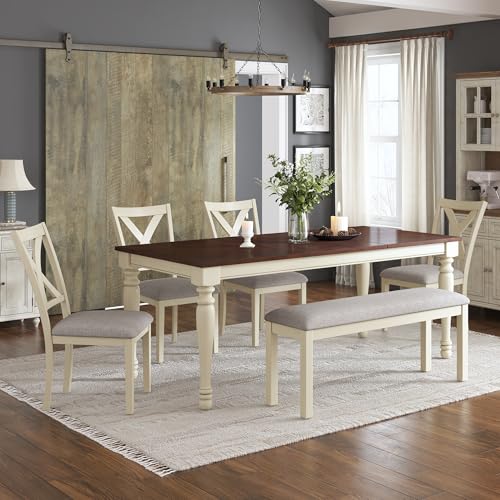
A wooden dining set that pairs a solid wood table with a bench on one side and chairs on the other is a smart layout for several practical reasons. The bench tucks neatly under the table, freeing up walking space around a patio or deck. It also seats more people along a single edge than individual chairs, which makes it ideal for families with children or for hosts who frequently entertain. Meanwhile, chairs on the opposite side give guests proper back support and make it easy to sit down and stand up.
Beyond function, solid wood brings warmth and visual weight that synthetic materials struggle to match. The grain of the wood becomes a design feature, and a well-chosen finish can complement everything from a rustic farmhouse porch to a modern minimalist deck. If you are still weighing materials, our overview of teak furniture explains why natural hardwood remains a benchmark for outdoor dining pieces.
The bench-and-chair combination is also flexible. You can push the bench against a wall for everyday use and pull it out when extra guests arrive. Some buyers add a second bench later, while others keep one bench and swap the chairs for stackable outdoor chairs that store easily during the off-season.
Choosing the Right Wood Species
The wood species determines how your table handles moisture, sunlight, and temperature swings. Not all hardwoods perform the same outdoors, so it helps to understand the trade-offs before you commit.
| Wood Species | Market Tier | Best For |
|---|---|---|
| Teak | Top-tier / luxury | Long-term outdoor use with minimal maintenance thanks to natural oils |
| Acacia | Mid-range | Dense grain and rich color when sealed regularly |
| Eucalyptus | Mid-tier | Weather resistance with a lighter, more contemporary look |
| Ipe (Brazilian walnut) | Premium | Extreme durability in wet or humid climates |
| Pine / fir | Entry-level | Indoor or covered porch use where rain exposure is limited |
Teak sits at the top of the market for a reason: its natural oils make it highly resistant to rot and insects, and it develops a beautiful silver-gray patina over time if left untreated. Acacia and eucalyptus are strong mid-range options that perform well when sealed annually. If you want to explore how teak performs across different furniture types, the teak Adirondack chairs guide offers useful durability insights that apply to dining pieces as well.
Whatever species you choose, check whether the table is constructed from solid planks or veneered panels. Solid planks handle outdoor expansion and contraction far better, and they can be sanded and refinished down the road. Veneered tops may delaminate when exposed to moisture over repeated seasons.
Bench Versus Chairs: How to Balance the Seating
Backless Bench
Slides completely under the table to save space. Best for casual family seating and tight patios. Look for a slight contour or a cushion for longer meals.
Bench with Back
Offers support similar to a chair while still seating multiple people. A good middle ground when comfort is a priority but you want the bench look.
Dining Chairs
Individual back support and easier entry and exit. Ideal for older guests or anyone who prefers a defined seat. Stackable versions simplify storage.
Upholstered Bench
Adds comfort with a cushioned top, but requires weather-resistant fabric. Explore upholstered bench seating options if comfort is your priority.
The most popular configuration is a bench on one long side and two or three chairs on the other. This gives you the space-saving benefits of a bench while ensuring that at least half the diners have proper back support. If your table seats six or more, consider a bench that spans most of the table length so nobody is left perched at the edge.
Seat height matters too. A standard dining table is around 30 inches tall, which pairs with benches and chairs at roughly 17 to 19 inches seat height. Bar-height tables need taller benches and stools, so measure carefully before mixing pieces. For contrast seating ideas, a stone garden bench can work as a sculptural accent elsewhere in the yard, but it is not a substitute for a dining bench.
Table Design Details That Affect Everyday Use
Two table features deserve special attention for outdoor use: the top style and the umbrella option. A slatted top lets rainwater drain through rather than pool on the surface, which reduces the chance of water rings and slows finish wear. A solid plank top looks more formal but needs prompt drying after rain.
If you plan to add shade, choose a table with a pre-drilled umbrella hole and pair it with a stable base. Our guide to small outdoor patio tables with an umbrella hole covers the sizing considerations that apply to larger dining tables as well. A proper base is essential — review umbrella bases to make sure your shade stays upright in gusty conditions.
Also check the legroom and apron height. A bench with thick legs can bump against table legs, so look for tables with legs set close to the corners. Rounded or chamfered edges are a small detail that pays off in a family setting.
Seating Comfort and Cushion Strategy
Solid wood benches are firm by design. For short meals this is fine, but for long dinners a thin cushion makes a noticeable difference. Choose cushions with a water-resistant cover and a quick-dry foam core so they can handle a surprise shower. Storage matters just as much as the cushion itself — a waterproof outdoor storage bench keeps cushions dry and doubles as extra seating.
If you prefer chairs on both sides, look for models with a gently curved seat and a slight backward slope in the backrest. These small ergonomic touches reduce fatigue during long gatherings. Pair them with a bench on the sunny side so guests can choose between shaded and open seating.
Finishing, Protection, and Seasonal Care
Even the most weather-resistant wood benefits from a protective finish. Oil-based finishes penetrate the grain and preserve the wood's natural color, while film-forming sealants create a surface barrier that repels water. Reapply annually, and lightly sand any rough spots before recoating.
- Clean gently: Use mild soap and water rather than harsh detergents that strip oils.
- Cover in harsh seasons: A fitted cover protects against snow, ice, and prolonged rain.
- Lift off the ground: Ensure feet have glides or pads so moisture does not wick up from the patio surface.
- Store cushions separately: Never leave damp cushions on the bench overnight.
If you are choosing between wood and metal for other pieces nearby, a stainless steel and teak mix can complement a wooden dining table while adding a modern edge. And if your space is small, the ideas in our small outdoor patio set with fire pit guide show how a compact dining zone can share space with a lounge area.
Setting the Scene Around Your Wooden Dining Set
A dining table is the centerpiece, but the space around it completes the experience. Warm evening light from string lights transforms a plain deck into a gathering spot, and solar lights along the path make evening meals feel intentional without wiring.
Shade is the other essential. A solar outdoor umbrella combines sun protection with built-in evening light, which is especially useful if you dine late. For a more architectural approach, a triangle sun shade can cover a wider dining zone while letting breezes pass through.
Finally, think about the ground beneath. A defined dining area feels more finished when the table sits on a distinct surface, whether that is a deck, pavers, or an outdoor rug. These small layers of design are what separate a functional table from a space people want to linger in.
Frequently Asked Questions
What is the best wood for a solid wood dining table used outdoors?
Teak, acacia, and eucalyptus are among the best woods for outdoor dining tables because of their natural oils and density. Teak is considered the top-tier choice for weather resistance, while acacia and eucalyptus offer strong mid-range performance when properly sealed.
Should I choose a bench or chairs for my dining table?
A bench is ideal for maximizing seating along one side and creates a casual, family-friendly look. Chairs offer back support and are easier for older guests or those who need individual seating. Many buyers combine one bench with chairs on the opposite side for a balanced setup.
How do I protect a solid wood dining table from weather damage?
Apply a weather-resistant sealant or oil finish at least once a year, use a fitted cover during harsh seasons, and wipe up standing water promptly. Choosing a table with a slatted or umbrella-hole top also helps water drain away instead of pooling.
Can a wooden dining table stay outside all year?
Yes, if the wood is a naturally weather-resistant species and the table is finished and maintained properly. In regions with harsh winters, covering the table and storing cushions indoors will extend its lifespan considerably.
How many people can a bench seat comfortably?
A bench that matches a six-seat table typically accommodates two adults and one child comfortably, or three adults in a tighter arrangement. As a rule of thumb, allow about 24 inches of bench width per adult for comfortable dining.