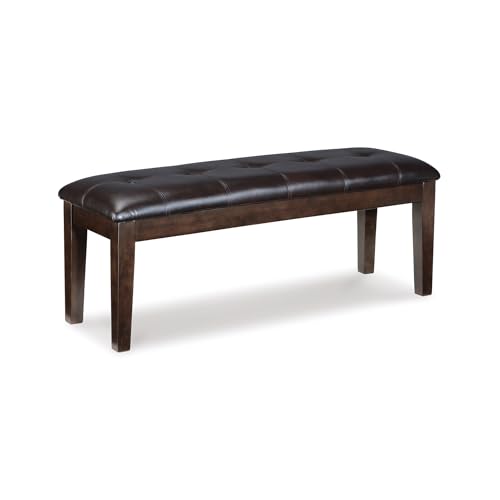
Upholstered Bench Seating: The Complete Buying Guide
Everything you need to know about choosing comfortable, stylish, and durable upholstered bench seating for your patio, entryway, dining room, or screened porch — from frame construction and fabric performance to sizing and layout.
Why upholstered bench seating deserves a closer look: A well-made upholstered bench delivers the comfort of a sofa with the slim footprint of a bench. It works as dining seating, an entryway catch-all, a bedroom accent, or a relaxed patio perch. This guide walks you through the decisions that matter most — frame material, cushion construction, fabric performance, and spatial planning — so you can choose with confidence.
What Is Upholstered Bench Seating?
Upholstered bench seating is a bench-style seat with a padded, fabric-covered top and back (or backless) cushion. Unlike a plain wooden or metal bench, upholstered versions use foam or fiber fill wrapped in fabric to provide cushioned support. The category spans:
- Backless upholstered benches — versatile, easy to tuck under tables, and ideal for entryways or foot-of-bed placement.
- Upholstered benches with backs — more supportive for dining or lounging, often styled like a compact settee.
- Storage benches — lift-up seats or drawers that hide blankets, shoes, or patio cushions.
- Outdoor-rated upholstered benches — built with weather-resistant frames and performance fabrics for patios and screened porches.
For a broader look at bench styles across materials, explore our guide to stone garden benches and swing benches to compare how upholstered seating fits into the wider bench category.
Frame Construction: The Foundation of a Good Bench
The frame determines durability, weight capacity, and how the bench performs outdoors. Here is how the main frame types compare:
| Frame Material | Best For | Durability Tier | Key Consideration |
|---|---|---|---|
| Solid hardwood (teak, acacia, oak) | Indoor dining, covered porches | Premium to luxury | Heavy; needs occasional oiling if exposed to moisture |
| Powder-coated aluminum | Outdoor patios, high-humidity climates | Mid-range to premium | Rust-proof finish; lightweight and easy to reposition |
| Stainless steel | Coastal areas, commercial-grade settings | High-end tier | Excellent corrosion resistance; heavier than aluminum |
| Engineered wood / MDF | Indoor entryways, bedrooms | Entry-level to mid-range | Not suitable for uncovered outdoor use |
| Resin wicker over metal | Covered patios, sunrooms | Mid-tier | UV-stabilized resin resists fading better than natural rattan |
For outdoor placements, a powder-coated aluminum or stainless steel frame paired with outdoor-rated upholstery is the safest long-term investment. If you are furnishing a covered porch or sunroom, hardwood frames with a protective finish offer a warm, furniture-grade look. Learn more about weather-resistant materials in our outdoor waterproof material guide.
Upholstery Fabric: Performance Matters
Fabric choice affects comfort, cleanability, fade resistance, and lifespan. The best upholstered bench seating uses performance fabrics engineered for the intended environment.
Indoor Upholstery Options
- Linen and linen blends — breathable and textured; best for low-traffic areas and formal dining.
- Velvet and velour — plush and elegant; ideal for bedrooms and entryway statement pieces.
- Microfiber and performance polyester — stain-resistant and family-friendly; a solid choice for dining benches and mudrooms.
- Faux leather — easy to wipe clean; suits modern and industrial interiors.
Outdoor Upholstery Options
- Solution-dyed acrylic — the gold standard for outdoor fabric; resists fading, mildew, and water absorption.
- Performance polyester with UV inhibitors — a more accessible outdoor option with good fade resistance.
- Quick-dry foam filling — allows water to drain and air to circulate, preventing mildew inside the cushion.
When replacing or upgrading cushions on an existing bench, our guide to sofa replacement cushions for outdoor furniture covers foam density, fabric selection, and fit considerations. For seat cushions specifically, see waterproof outdoor seat cushions.
Cushion Construction and Comfort
The comfort of upholstered bench seating comes down to foam density, fill type, and seat depth. Here is what to look for:
- High-density foam (2.0 lb/ft³ or higher) — retains shape longer and resists sagging. Entry-level benches often use lower-density foam that compresses over time.
- Foam wrapped in fiber or batting — adds a soft surface feel while keeping the supportive core.
- Pocket springs or sinuous springs — found in premium and luxury tiers; improve seating comfort and longevity.
- Seat depth of 18–22 inches — comfortable for most adults. Deeper seats suit lounging; shallower seats suit dining.
- Seat height of 18–20 inches — standard for dining tables. Counter-height benches sit at 24–26 inches.
Sizing and Placement Guide
Upholstered bench seating works in many rooms, but scale and clearance are critical. Use this quick-reference table to plan your placement:
| Placement | Recommended Bench Length | Clearance Needed | Best Configuration |
|---|---|---|---|
| Entryway / mudroom | 36–60 inches | 24–36 inches in front | Backless with storage |
| Dining room (one side) | 60–84 inches | 18+ inches legroom below table | Backless or low-back |
| Foot of bed | 48–72 inches | 24 inches walkway | Upholstered with low arms |
| Patio / screened porch | 48–72 inches | 30 inches circulation | Outdoor-rated with back |
| Sunroom / sun room | 48–60 inches | 24–30 inches | Upholstered settee style |
For patio and sunroom placements, coordinate your bench with complementary pieces. Our sun room furniture guide covers how to layer seating, and rattan chairs outdoor reviews show how to pair woven seating with upholstered benches. If you are building a dining area, the rustic dining table with bench and chairs guide explains how benches integrate into dining layouts.
Upholstered Bench Seating by Style
Bench style should complement the surrounding room. Here are the most common design directions:
- Modern / minimalist — clean lines, tight upholstery, metal legs. Suits contemporary patios and entryways.
- Farmhouse / rustic — natural wood frames, neutral linen or canvas upholstery, visible grain. A natural fit for dining rooms and covered porches.
- Coastal — light fabrics, whitewashed frames, and woven accents. Pairs well with white outdoor benches and sunroom settings.
- Traditional — rolled arms, turned legs, and patterned fabrics. Best for formal dining and bedroom placements.
- Bohemian — relaxed fabrics, mixed textures, and low-profile frames. Works well in sunrooms and casual patios.
Indoor vs. Outdoor Upholstered Benches
The biggest mistake buyers make is placing an indoor bench outdoors. Indoor upholstery is not engineered for UV exposure, rain, or humidity — it will fade, mildew, and lose structural integrity. Key differences:
- Fabric: Outdoor benches use solution-dyed acrylic or UV-stabilized performance fabric; indoor benches use linen, velvet, microfiber, or faux leather.
- Foam: Outdoor benches use open-cell, quick-dry foam; indoor benches use standard foam that traps moisture.
- Frame: Outdoor frames are powder-coated aluminum, stainless steel, or treated hardwood; indoor frames may be MDF, engineered wood, or untreated wood.
- Fasteners: Outdoor benches use stainless or coated hardware; indoor benches may use standard steel that rusts.
If you want an upholstered bench in an uncovered patio area, choose an explicitly outdoor-rated model. If your bench lives under a covered porch or in a screened-in space, a wider range of materials becomes viable. Our screened-in deck guide covers how to protect outdoor furnishings in semi-enclosed spaces.
Storage Benches: Combining Seating and Function
Upholstered storage benches add practicality to entryways, mudrooms, and patios. Lift-up seats and drawers hide shoes, blankets, and cushions. When choosing a storage bench:
- Check the hinge mechanism — soft-close hinges prevent slamming.
- Confirm the storage compartment is accessible without removing the cushion entirely.
- For outdoor use, verify the storage area is ventilated or water-resistant.
- Consider weight capacity — storage benches often support 250–400 lbs depending on frame construction.
For outdoor storage beyond the bench itself, our guides to waterproof outdoor storage benches and outside storage boxes cover larger-capacity solutions for cushions and patio accessories.
Maintenance and Longevity
Proper care extends the life of upholstered bench seating significantly:
- Indoor benches: Vacuum fabric monthly; blot spills immediately; rotate cushions if reversible; keep out of direct sunlight to limit fading.
- Outdoor benches: Brush off debris weekly; clean fabric with mild soap and water; allow to dry fully before replacing cushions; store or cover during off-season.
- Frame care: Wipe metal frames with a damp cloth; touch up powder coating chips promptly; oil hardwood frames annually if exposed to weather.
- Foam care: Air out cushions seasonally; replace compressed foam when comfort declines.
For rust prevention on metal frames, see our rust removal guide. For broader weatherproofing advice, the weatherproofing guide covers protective coatings and seasonal routines.
Frequently Asked Questions
What is upholstered bench seating best used for?
Upholstered bench seating works well in entryways, dining rooms, patios, screened porches, and bedroom foot-of-bed placements. It combines comfortable cushioned seating with the space-saving profile of a bench.
How do I choose the right fabric for an upholstered bench?
Choose solution-dyed acrylic or performance polyester for outdoor and high-traffic areas. For indoor use, linen blends, velvet, and microfiber are popular. Always check for fade resistance, moisture resistance, and cleanability ratings.
Can upholstered bench seating be used outdoors?
Yes, but only if the frame is weather-resistant and the upholstery is rated for outdoor use. Look for powder-coated aluminum or stainless steel frames paired with solution-dyed acrylic fabric and quick-dry foam.
What size upholstered bench should I choose?
Measure your available floor space and allow at least 18 inches of clearance for comfortable legroom. Standard bench lengths range from compact two-seat options to long dining benches. Always check seat height against your table height.
Ready to Choose Your Upholstered Bench?
Use the guide above to match frame material, fabric performance, and bench size to your space. Then browse recommended options below to compare features and availability.
Explore Recommended Benches