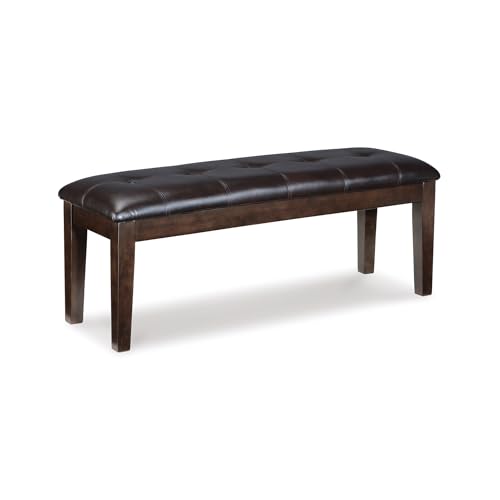
Table Bench Seat: Complete Outdoor Buying Guide
Everything you need to know before choosing a table bench seat for your patio, deck, or garden — materials, sizing, seating capacity, styles, and long-term care explained clearly.
Explore the GuideWhy a table bench seat deserves your attention: A table bench seat combines a dining surface with integrated bench seating, creating a compact and social outdoor dining area. Homeowners researching this furniture often already know they want bench seating — what they need is a clear framework for choosing the right material, size, and configuration. This guide walks you through those decisions step by step so you can buy with confidence.
What Is a Table Bench Seat?
A table bench seat is an outdoor furniture piece where bench seating is either built into or paired with a dining table. The bench and table are designed as a coordinated set, so the seating height, bench depth, and table clearance are matched for comfortable dining. This contrasts with buying a table and chairs separately, where mismatched heights can create ergonomic problems.
Bench seating offers a distinct advantage in social settings: guests sit shoulder to shoulder, which encourages conversation and makes the setup feel more communal. It is also efficient for narrow spaces because benches tuck partially under the table when not in use, reducing the furniture footprint.
If you are also considering how benches compare with individual seats, it helps to understand the broader category of table and benches sets, which covers both attached and detached bench configurations.
Why Choose Bench Seating Over Chairs?
Bench seating is not simply a substitute for chairs — it changes how an outdoor dining area functions. Here are the practical reasons many homeowners prefer it:
- Space efficiency: Benches slide fully or partially under the table, freeing up walkway space on compact patios and balconies.
- Social atmosphere: Shared seating naturally brings people closer together and works well for family meals and casual gatherings.
- Flexible capacity: A long bench can seat more people than the equivalent number of individual chairs, especially for children.
- Sturdier construction: Benches distribute weight across a wider frame, often making them more stable than lightweight chairs.
- Cleaner visual lines: A matched bench and table set creates a cohesive look that is easier to style than mixed seating.
For properties where space is genuinely tight, pairing a bench with other space-saving furniture ideas can further improve the flow of your outdoor area.
Types of Table Bench Seats
Table bench seats fall into a few broad configurations, each suited to different spaces and usage patterns.
Attached Bench Tables
The bench is permanently connected to the table frame, usually by metal brackets or a shared wooden base. These are extremely stable and ideal for families with children, but they cannot be rearranged independently. A classic example is the square picnic table with attached benches, which works well in gardens and parks.
Detached Bench and Table Sets
The bench and table are separate pieces designed to match. This gives you flexibility to rearrange the layout, pull benches aside for cleaning, or add a chair at the head of the table. These sets are common for patio dining and are easier to store seasonally.
Bench-Only Additions
Some homeowners already own a table and add a bench as extra seating. A standalone teak bench or stone garden bench can be pushed up to an existing dining table if the heights align. This is worth considering only when the table height is a standard dining height, typically around 28 to 30 inches.
Swing and Glider Bench Seats
For a more relaxed feel, a swing bench or swinging porch bench can serve as casual seating near a dining area, though these are not typically used directly at a table.
Materials: What Holds Up Outdoors?
The material you choose determines how the bench ages, how much maintenance it needs, and how well it suits your climate. Below is a comparison of the most common options.
| Material | Best For | Maintenance Level | Durability |
|---|---|---|---|
| Teak | Premium outdoor settings, wet climates | Low to moderate (oiling optional) | Very high, naturally weather-resistant |
| Acacia | Mid-range patios, natural wood look | Moderate (sealing recommended) | High with proper care |
| Cedar | Garden settings, rustic styles | Moderate (annual sealing) | Good, naturally rot-resistant |
| Powder-Coated Aluminum | Modern patios, coastal areas | Low (wipe clean) | High, rust-resistant |
| Stainless Steel | Outdoor kitchens, contemporary patios | Low (wipe clean) | Very high, corrosion-resistant |
| HDPE / Resin | Family use, low-maintenance patios | Minimal | High, UV-stable and weatherproof |
| Wicker / Rattan (synthetic) | Lounge-style patios, covered areas | Low to moderate | Moderate, best in sheltered spots |
Teak is widely considered the top-tier natural choice for outdoor dining furniture, which is why teak furniture commands attention in premium outdoor settings. If you want the look of wood with less upkeep, HDPE and resin are the practical choice for busy households.
For those seeking a balanced mix of durability and design flexibility, stainless steel and teak outdoor furniture combines a metal frame with warm wooden surfaces — a combination that performs well in variable climates.
Quality Tiers: Understanding What You Get
Rather than thinking in terms of specific figures, it helps to understand how table bench seats are positioned across the market. The tiers below describe relative quality and construction, not specific amounts.
Entry-Level Tier
Basic construction with thinner frames and simpler joinery. Suitable for occasional use, seasonal setups, or renters who need a functional option. Expect standard weather resistance and shorter lifespan.
Mid-Range Tier
Improved materials and reinforced joints. Typically offers better hardware, smoother finishes, and more reliable weatherproofing. A solid choice for year-round outdoor use in most climates.
Premium Tier
High-grade materials such as kiln-dried teak or marine-grade stainless steel. Features more precise joinery, superior finishing, and longer warranties. Built for long-term investment.
Luxury / Commercial-Grade
Designed for heavy use and hospitality environments. Oversized frames, commercial-grade hardware, and meticulous craftsmanship. The most durable option for daily intensive use.
When deciding which tier fits your needs, consider how often the bench will be used and whether it will stay outdoors year-round. A mid-range set is usually the most balanced choice for residential patios, while an entry-level set may suffice for occasional seasonal use. For a deeper look at how to weigh these trade-offs, see our guide on splurge vs save decisions.
Sizing and Seating Capacity
Getting the size right is the single most important practical decision. A bench that is too short feels crowded, while an oversized set can overwhelm a small patio.
How Much Space Per Person?
- Adults: Allow roughly 24 inches (about 60 cm) of bench length per person for comfortable dining.
- Children: Allow roughly 18 inches (about 45 cm) per child.
- Bench depth: Aim for 14 to 18 inches for dining benches. Deeper benches are more comfortable for lounging but may not tuck under the table.
- Table clearance: Leave at least 12 inches between the bench edge and the table edge when seated for legroom.
Common Configurations
- 4-seat sets: Usually a table with two benches, each seating two adults. Good for small patios and balconies.
- 6-seat sets: Typically two benches of about 6 feet each, or a 6-foot bench paired with individual chairs at the ends.
- 8-seat sets: Larger tables with two 8-foot benches, often seen in square outdoor dining tables for 8 with umbrella holes.
If you plan to add shade, choose a table with a pre-cut opening. Many buyers pair bench seating with a square outdoor dining table with umbrella hole to keep the dining area usable during midday sun.
Style and Design Considerations
Bench seating works across a range of outdoor design styles. The right choice depends on the architecture of your home and the surrounding landscape.
Rustic and Farmhouse
Solid wood benches with visible grain and simple joinery suit rustic and farmhouse patios. A solid wood dining table set with bench captures this aesthetic well, especially when paired with natural stone or gravel surfaces.
Modern and Minimalist
Clean lines, slim profiles, and metal frames work best for contemporary patios. Aluminum and stainless steel sets fit this direction, often with slatted or perforated surfaces that drain rainwater quickly.
Coastal and Nautical
Teak, white-painted wood, and weathered finishes suit coastal settings. If your patio is near saltwater, prioritize corrosion-resistant hardware and marine-grade finishes.
Small-Space and Balcony
Compact sets with folding or stacking benches make the most of limited square footage. A square outdoor table paired with a slim bench is a common space-efficient configuration.
Placement and Layout Tips
- Allow walking clearance: Leave at least 36 inches between the bench edge and walls, planters, or other furniture so people can move behind seated guests.
- Mind the sun path: Position the table so the umbrella shades the seating area during your typical dining hours.
- Anchor on a level surface: Benches require a stable, level base. A stained concrete patio provides a durable, level foundation.
- Consider wind exposure: Lightweight benches can shift in strong winds. Heavier materials or anchoring kits improve stability.
Care and Maintenance
A table bench seat that is maintained properly will last significantly longer. The care routine depends on the material.
Wooden Benches
- Clean with mild soap and water; avoid harsh chemical cleaners.
- Re-oil teak once or twice a year if you want to maintain its golden color; if left untreated, it will weather to a silver-grey patina.
- Seal acacia and cedar annually to prevent moisture damage.
- Inspect for loose hardware and tighten as needed each season.
Metal Benches
- Wipe down with a damp cloth to remove dust and pollen.
- Touch up any scratches in powder coating to prevent corrosion underneath.
- Rinse stainless steel occasionally to remove salt and mineral deposits.
Resin and HDPE Benches
- Clean with soapy water and a soft brush.
- No sealing or oiling required.
- Check fasteners periodically, especially after winter.
For broader care guidance across all outdoor furniture, see our outdoor care resources. If your bench has cushions or padded seats, our guide to sofa replacement cushions for outdoor furniture covers how to maintain and refresh upholstered components.
Combining Bench Seating With Other Outdoor Elements
A table bench seat rarely exists in isolation. Thoughtful additions can turn a functional dining set into a complete outdoor room.
- Lighting: Add string lights above the table for evening ambiance, or solar lights along the patio perimeter for an eco-friendly option.
- Shade: A solar outdoor umbrella provides both shade and integrated lighting for evening meals.
- Seating expansion: Pair benches with stackable outdoor chairs at the table ends for extra flexibility.
- Side tables: A stacking resin plastic outdoor side table can hold drinks and condiments without cluttering the main dining surface.
- Seasonal decor: Swap in spring decor or seasonal accents to refresh the look of the dining area throughout the year.
Frequently Asked Questions
What is a table bench seat?
A table bench seat is a combined outdoor furniture piece where bench seating is attached to or paired with a dining table. It is commonly used on patios, decks, and gardens to create an integrated dining area.
What materials are best for a table bench seat?
Teak, acacia, and cedar are excellent solid wood choices. Powder-coated aluminum and stainless steel offer durability in wet climates. Resin and HDPE are weatherproof and require minimal maintenance. Choose based on climate, style, and upkeep preference.
How much seating space does a bench provide?
Allow roughly 24 inches of bench length per adult for comfortable seating. A six-foot bench typically seats three adults comfortably, while an eight-foot bench seats four.
Can a table bench seat stay outdoors all year?
It depends on the material. Teak, aluminum, and resin can generally remain outdoors year-round with proper care. Softer woods and painted finishes benefit from covers or seasonal storage. Always check the manufacturer's guidance for your specific model.
Ready to Choose Your Table Bench Seat?
Browse our curated selection of bench seating and dining sets to find the right fit for your patio.
View Recommended Products