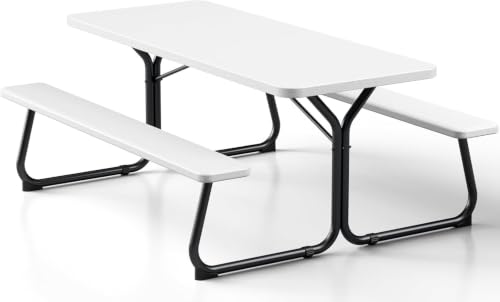
Square Picnic Table With Attached Benches: The Complete Buying Guide
A square picnic table with attached benches is one of the most practical outdoor furniture investments you can make. The connected design keeps everything in one sturdy footprint, the square top maximizes seating on all four sides, and the format works equally well on a patio, deck, or lawn. This guide covers everything you need to evaluate before choosing one for your outdoor space.
Why Choose a Square Picnic Table With Attached Benches?
The attached-bench format solves a common outdoor problem: loose benches get pushed around, tip on uneven ground, and never quite line up with the table. When benches are permanently fixed to the table frame, the entire unit behaves as one rigid structure. That means less wobble, no missing seats when guests arrive, and a tidier look because every piece stays in place.
The square top is the other half of the appeal. Rectangular picnic tables are long and directional, which makes them awkward on compact patios and in corner placements. A square top lets people sit facing each other from all four sides, encourages conversation, and fits more naturally into square or near-square footprints. If your outdoor area is small or unusually shaped, a square format is often the more efficient choice. You can explore other compact solutions in our guide to space-saving furniture.
There are practical trade-offs as well. Because the benches are attached, these tables are heavier and harder to reposition than separate table-and-bench combinations. They also commit you to a single seating layout. For many homeowners, though, the stability and convenience outweigh those limitations, especially when the table stays in one spot for most of the season.
How Many People Can a Square Picnic Table Seat?
Seating capacity depends on the top dimension and bench length, not on the square shape alone. As a general guideline:
- Compact square tops (around 34–40 inches): Typically seat four adults comfortably, two per side. Best for balconies, small patios, and couples.
- Mid-size square tops (around 44–48 inches): Usually seat four to six adults, with room for a child or a shared bench at each side.
- Large square tops (around 55–60 inches and above): Can seat six to eight adults depending on bench length and whether corner seating is practical.
Bench depth matters as much as table width. Deeper benches are more comfortable for long meals but take up more floor space. If you regularly host larger groups, also consider how much clearance you need behind each bench for people to slide in and out. A table that seats eight tightly can feel crowded if there is no room to move.
For households that need maximum seating with a different layout, compare options like a square outdoor dining table for 8 with umbrella hole or a table and chairs dining set for 4 before committing to the attached-bench format.
Materials: What to Look For
The material determines how the table ages, how much maintenance it needs, and how it handles weather. Most square picnic tables with attached benches fall into four material families.
Wood (Cedar, Teak, Pine)
Wood is the traditional choice and remains the most popular for a reason. Cedar and teak contain natural oils that resist rot and insects, making them strong candidates for long-term outdoor use. Pine is common in entry-level and mid-range tables; it performs well when sealed regularly but needs more attention than cedar or teak. Wood tables feel warm, accept stains and paints easily, and can be refinished when they show wear. The trade-off is periodic maintenance: sealing, tightening hardware, and watching for splinters and checking. Our teak furniture overview is a useful starting point if you are leaning toward a hardwood.
Metal (Steel and Aluminum)
Powder-coated steel and aluminum tables are heavy-duty and low-maintenance. Steel is extremely stable, which suits attached-bench designs that need a rigid frame. Aluminum is lighter and rust-resistant, making it easier to move and well suited to coastal or humid climates. Look for a rust-proof finish and reinforced welds at the bench-to-table joints, since those connections carry the most stress. A stainless steel outdoor table and chairs set is worth considering if corrosion resistance is a priority.
High-Density Polyethylene (HDPE) and Resin
HDPE and resin tables resist moisture, UV fading, and insects without any refinishing. They are a strong fit for homeowners who want a set-and-forget table. The surface can feel less warm than wood, and some entry-level resin tables flex more under load, so check the frame construction. A wood-resin table combines a wood-look surface with resin durability if you want the appearance of timber without the upkeep.
Composite and Recycled Materials
Composite boards made from recycled plastic and wood fiber are increasingly common in mid-range and premium picnic tables. They look like wood, resist rot, and do not splinter. Quality varies, so look for a solid build and a manufacturer that specifies UV stabilization. For buyers focused on environmental impact, our sustainable materials guide explains what to check.
Tier Comparison: Entry-Level to Luxury
The table below uses universal quality tiers rather than specific figures. Use it to match your expectations to the construction details you should look for at each level.
| Tier | Typical Construction | Best For | Maintenance |
|---|---|---|---|
| Entry-level | Pine or basic resin; stapled or screwed joints; thinner bench planks | Occasional use, seasonal setups, first patio | Regular sealing (wood) or simple wipe-down (resin) |
| Mid-range | Cedar or HDPE; bolted frame; reinforced bench brackets; factory umbrella hole | Family patios, regular entertaining, multi-season use | Annual inspection; occasional resealing for wood |
| Premium | Teak, thick HDPE, or powder-coated aluminum; mortise-and-tenon or welded joints; smooth finish | Frequent use, exposed locations, long-term ownership | Minimal; periodic hardware checks and cleaning |
| Luxury | Marine-grade materials, custom sizing, commercial-grade hardware, integrated umbrella system | Design-led outdoor spaces, hospitality use, permanent installations | Low; mostly cleaning and occasional professional care |
Mid-range models usually offer the best balance for most households: the joints are more robust than entry-level construction, the materials hold up over multiple seasons, and the table still feels manageable to reposition. If you are weighing upgrades, our splurge vs save breakdown helps separate features that matter from details that do not.
Features That Matter
Umbrella Hole and Base Compatibility
A pre-drilled umbrella hole turns the table into a shaded dining spot on hot afternoons. Confirm the hole diameter and check whether the table includes a stabilizing ring or plug for when the umbrella is not in use. A compatible standing umbrella base is essential for square tables with attached benches, because the benches limit where you can place a base plate. If the table you like lacks a hole, compare it against a square outdoor dining table with umbrella hole before deciding to modify anything.
Frame Rigidity and Joints
Because the benches are attached, the frame carries more load than a standalone table. Look for bolted or welded connections at the bench brackets rather than staples or short screws. A cross-brace under the top and diagonal supports at the legs reduce sway. If you can view the table in person, push gently on one end of a bench and watch for flex.
Bench Comfort and Accessibility
Flat plank benches are traditional but unforgiving for long meals. Rounded or beveled edges improve comfort, and some mid-range and premium tables offer contoured bench profiles. Consider seat height relative to the tabletop: a comfortable difference is roughly 10 to 12 inches. If anyone in your household needs easier access, look for models with a wider gap between bench and table or a walk-through end.
Weather Resistance and Finish
For wood, check whether the table ships pre-sealed and what the manufacturer recommends for your climate. For metal, confirm the coating is powder-coated rather than painted, and inspect for rust-proof hardware. For resin and composite, verify UV stabilization so the color holds up in full sun.
Portability and Storage
Most attached-bench tables are not designed to be moved daily. If you need flexibility, look for folding models or tables with wheels. Otherwise, plan a permanent or semi-permanent location and use furniture sliders for seasonal adjustments.
Placement and Space Planning
Measure the table footprint and then add clearance behind each bench. A practical rule is to leave at least 24 inches behind the benches for people to walk past, and more if the table sits beside a wall or railing. On a compact patio, a four-seat square model can fit where a rectangular six-seat table cannot. Pair the table with a square patio table cover with umbrella hole to protect the surface when it is not in use.
Surface matters too. On a deck, use felt pads or a mat under the legs to protect the boards. On concrete or stone, check that the feet are level and consider a small pad to prevent scratching. If your patio is sloped, level the table with shims before use; attached benches amplify any wobble.
For shade planning, a solar outdoor umbrella can extend usable hours without wiring, and string lights overhead make evening meals more inviting. If you are designing a full dining zone, our square outdoor table guide covers complementary layouts and seating arrangements.
Setup, Care, and Longevity
- Assemble on a flat surface. Attached-bench tables are easiest to square up before the final tightening. Leave bolts snug, check the frame for square, then tighten fully.
- Seal wood before first use. Even pre-sealed wood benefits from an additional coat in exposed locations. Reapply according to the manufacturer's schedule.
- Inspect hardware seasonally. Bolts at the bench brackets loosen over time. A quick check at the start and end of the season prevents wobble.
- Clean with mild soap. Avoid abrasive pads on coated metal and resin. For wood, a soft brush and a wood-safe cleaner is enough.
- Store or cover in extreme weather. A cover protects the top and benches from debris and UV. In freeze-prone climates, move the table under cover if possible.
With basic care, a mid-range cedar or HDPE table can serve for many seasons, while premium teak and commercial-grade metal tables are long-term investments that hold their structure and appearance. If you are also furnishing the rest of the patio, our guides to table and benches and table bench seat combinations can help you keep the layout consistent.
Frequently Asked Questions
What is a square picnic table with attached benches?
It is a single-unit outdoor dining table where the benches are permanently connected to the table frame. The square top allows four-sided seating, making it a space-efficient option for patios, decks, and small backyards.
How many people can sit at a square picnic table with attached benches?
Most models seat four to eight adults, depending on the top dimension. Compact tops suit four, mid-size tops seat four to six, and large tops can accommodate six to eight with careful bench spacing.
What materials are best?
Cedar and teak offer natural rot resistance and a classic look. Powder-coated steel and aluminum are heavy-duty and low-maintenance. HDPE resists moisture, UV, and insects without refinishing. The best choice depends on your climate and preferred upkeep.
Can it fit under a patio umbrella?
Many square picnic tables include a pre-drilled umbrella hole. Check the hole diameter and pair it with a compatible umbrella and a stable base. Buying a table with a factory hole is simpler and safer than modifying one.
Is it easy to move?
Attached benches make the table rigid but heavy. Plan to move it with two people or furniture sliders. Some mid-range and premium models include wheels or a folding frame for easier relocation.
Ready to compare models? Browse our curated selection of square picnic tables with attached benches and check availability on Amazon.
Explore Options