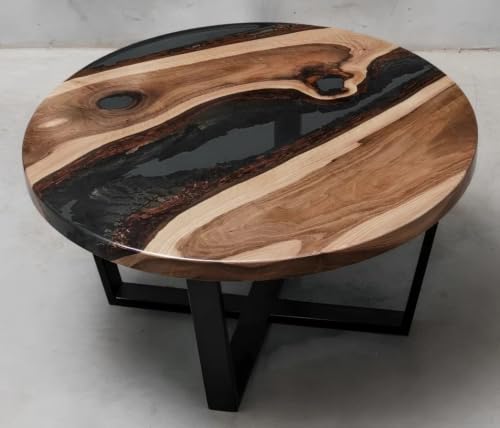
Table Wood Resin: The Complete Buying Guide for Outdoor & Patio Use
A wood resin table combines the natural warmth of timber with the resilience of modern resin, making it one of the smartest choices for patios, decks, and outdoor dining areas. If you are researching this category before you commit, this guide walks you through how these tables are built, what separates a solid mid-tier model from a premium one, and how to match the right table to your space.
Quick summary: Wood resin tables pair a real wood frame or top with a resin coating or resin-infused composite. The result is furniture that looks organic but resists moisture, UV fading, and everyday wear far better than untreated timber. They are ideal for covered patios, open decks, and even poolside areas.
What Exactly Is a Wood Resin Table?
The term "wood resin" covers a few related constructions, and understanding the difference matters before you choose a model. In most outdoor furniture, wood resin refers to one of three builds:
- Resin-coated wood: A solid wood core sealed with a polyresin or epoxy finish. The wood provides structural strength while the resin layer blocks moisture and UV damage.
- Wood-resin composite: Wood fibers or flour blended with resin and molded into panels or frames. This is common in entry-level and mid-range patio tables because it is uniform and highly weather-resistant.
- Wood frame with resin top: A hardwood or eucalyptus frame paired with a molded resin tabletop. This combination is popular for dining sets because the top stays flat and easy to clean while the base retains a natural grain look.
Each build has trade-offs in weight, texture, and longevity. A premium resin-coated hardwood table feels substantial and develops a gentle patina over time. A mid-tier composite table is lighter, easier to move, and requires almost no maintenance. Both are legitimate choices depending on how you plan to use the table.
Why Choose Wood Resin Over Solid Wood or Pure Metal?
Solid wood is beautiful but demands regular sealing, sanding, and seasonal storage in harsh climates. Pure metal tables are durable but can feel cold and industrial, and they often heat up in direct sun. Wood resin sits in a practical middle ground:
- Moisture resistance: The resin layer or composite matrix prevents water absorption, which is the leading cause of warping and rot in outdoor wood furniture.
- UV stability: Quality resin formulations include UV inhibitors, so the table resists fading and graying better than unfinished timber.
- Low maintenance: A damp cloth and mild soap handle most cleaning. No annual resealing is required on the resin surface itself.
- Natural aesthetic: You keep the visual warmth of wood grain, which blends well with wicker, rattan, and fabric outdoor seating.
- Comfort: Wood resin does not get as hot as metal in direct sunlight, making it more comfortable for dining and working outdoors.
If you are furnishing a full dining zone, a wood resin table pairs naturally with coordinated seating. You can explore matching options in our guide to table and chairs sets or compare configurations in our dining set for four breakdown.
Wood Resin Table Construction: What to Look For
Not all wood resin tables are built to the same standard. When you are comparing models online, these are the specifications and details that actually predict how well the table will hold up after several seasons outdoors.
1. The Wood Core or Frame
Look for species that are naturally rot-resistant: teak, eucalyptus, acacia, and shorea are common in quality outdoor furniture. A hardwood frame with visible joinery and reinforced corners signals a more durable build than a particleboard core wrapped in resin. Our teak furniture guide explains why teak remains a benchmark for outdoor wood.
2. The Resin Coating or Composite Ratio
On coated tables, the resin should be applied evenly with no bubbles, drips, or thin patches. On composites, a higher wood-to-resin ratio generally gives a more natural texture, while a higher resin ratio improves weather resistance. Premium models usually disclose their formulation; entry-level models often do not, which is a reasonable signal about the tier you are buying.
3. Edge Sealing and Joints
Water damage usually starts at exposed edges and end grain. A well-made wood resin table seals every edge, including the underside, and uses tight, reinforced joints. Check product photos for a continuous resin lip around the tabletop perimeter.
4. Tabletop Thickness and Weight
Thicker tops resist flexing and stay flatter over time, especially on larger dining tables. A heavier table also stays put in wind, which matters on open decks and balconies. If you need a table that can be moved frequently, a lighter composite build may serve you better.
5. Umbrella Compatibility
Many patio dining tables include a center hole for an umbrella. If shade is part of your plan, confirm the hole diameter and whether the table includes a stabilizing ring. You can read more about shade pairings in our square dining table with umbrella hole guide and our table umbrella overview.
Wood Resin Table Tiers Compared
To make comparison easier, we use a simple tier system based on construction quality and materials. This keeps the focus on what you actually get rather than on fluctuating market conditions.
| Tier | Typical Construction | Best For | Expected Lifespan |
|---|---|---|---|
| Entry-level | Resin-dominant composite, lighter frame, basic hardware | Balconies, seasonal use, first outdoor setup | Several seasons with care |
| Mid-range | Wood-resin composite with hardwood frame accents, sealed edges | Covered patios, family dining, regular use | Many seasons with routine cleaning |
| Premium | Resin-coated hardwood core, reinforced joinery, UV-stable finish | Full-time outdoor dining, exposed decks | Long-term use with minimal upkeep |
| Luxury | Kiln-dried hardwood, multi-layer resin finish, designer detailing | High-end patio design, permanent installations | Decade-plus with basic care |
Mid-range models usually offer the best balance for most households. They are well-specified for the category and typically include features like sealed undersides, rust-proof hardware, and a consistent finish that entry-level tables often skip.
Matching the Table to Your Outdoor Space
Size and shape matter as much as material. A wood resin table that is too large will crowd a small patio, while an undersized table feels awkward for dining. Use these guidelines as a starting point:
- Small patios and balconies: A round or compact square table for two to four people works best. Our space-saving furniture guide covers layout strategies for tight footprints.
- Family dining: A rectangular or square table for six is the workhorse size. A square table for eight suits larger gatherings if your space allows.
- Entertaining-focused patios: Consider a longer table with umbrella compatibility and room for bench seating. Our table and benches guide explores this configuration.
- Multi-purpose spaces: A square table can double as a game or project table. See our square outdoor table overview for options.
Design and Styling Ideas for Wood Resin Tables
One of the strengths of wood resin is how easily it fits different design directions. The wood grain warms up modern spaces, while the resin finish keeps the look clean and contemporary. A few directions worth considering:
- Natural and earthy: Pair a honey-toned wood resin table with woven chairs, linen cushions, and terracotta planters for a relaxed, organic patio.
- Modern coastal: A darker composite table with white or light gray seating and a navy umbrella creates a crisp, nautical look.
- Rustic farmhouse: Choose a table with visible grain and pair it with a teak bench or stone garden bench for contrast.
- Minimalist: A simple square table with slim legs and a single accent planter keeps the focus on form.
Ground the dining area with an outdoor rug and define the zone with lighting. Our string lights guide and solar lights overview cover options that work well above a wood resin table.
Care and Maintenance for Wood Resin Tables
Wood resin is forgiving, but a small amount of routine care goes a long way toward keeping the finish intact:
- Wipe spills promptly with a damp cloth and mild soap. Avoid abrasive cleaners that can dull the resin surface.
- Cover the table during long off-seasons or harsh weather. Our guide to table covers with umbrella holes explains fit considerations.
- Check hardware and joints once a season and tighten as needed.
- Avoid dragging the table across rough surfaces; lift it instead to protect the feet and frame.
- If the resin finish develops minor scuffs, follow the manufacturer's touch-up guidance rather than sanding aggressively.
Pro tip: Store removable cushions and fabric accessories in a dry bin when not in use. Keeping the table surface clear of standing water and debris is the single most effective maintenance habit.
Common Mistakes to Avoid When Buying
- Ignoring the underside: A sealed top with an unsealed bottom will absorb moisture from the ground up.
- Skipping measurements: Confirm both the table footprint and the clearance needed for chairs to pull out comfortably.
- Overlooking weight: A heavy table is stable but hard to move; a light table is easy to reposition but may shift in wind.
- Assuming all resin is equal: UV-stabilized outdoor resin performs very differently from indoor-grade epoxy.
- Forgetting shade planning: If you want an umbrella, confirm the hole and base requirements before you buy the table.
If you are still weighing different furniture categories, our splurge vs save guide helps you decide where to invest and where a simpler option is perfectly adequate.
Frequently Asked Questions
Is a wood resin table suitable for full-time outdoor use?
Yes. Quality wood resin tables are designed for outdoor use and resist moisture and UV exposure. Premium and luxury tiers handle exposed decks best, while entry-level and mid-range models perform very well on covered patios.
Does wood resin furniture fade in the sun?
UV-stabilized outdoor resin resists fading far better than untreated wood. Over many years, some color shift is normal, but a quality finish will hold its appearance well when paired with sensible care.
Can I leave a wood resin table outside in winter?
In mild climates, yes, with a cover for protection. In freezing or heavy-snow regions, covering the table and, where possible, storing it in a sheltered area will extend its lifespan significantly.
How do I clean a wood resin tabletop?
Use a damp cloth with mild soap and water. Rinse and dry the surface afterward. Avoid harsh solvents, abrasive pads, and pressure washing, which can damage the resin layer.
What size table do I need for six people?
A rectangular or square table that seats six comfortably typically needs a footprint of roughly 60 to 72 inches on its longer side, depending on chair style. Always measure your space with chairs pulled out before committing.
Ready to Compare Wood Resin Tables?
Browse hand-picked options and check availability for models that match your patio size and style.
Explore Options