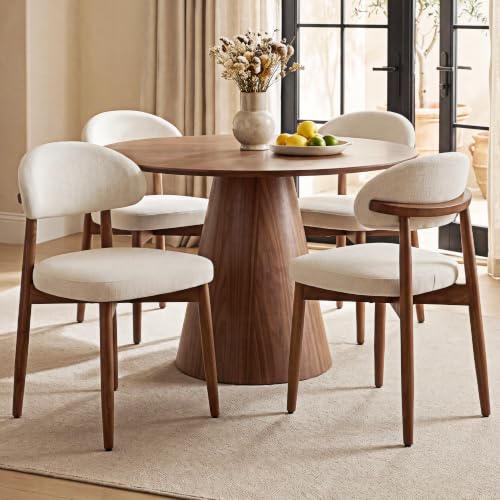
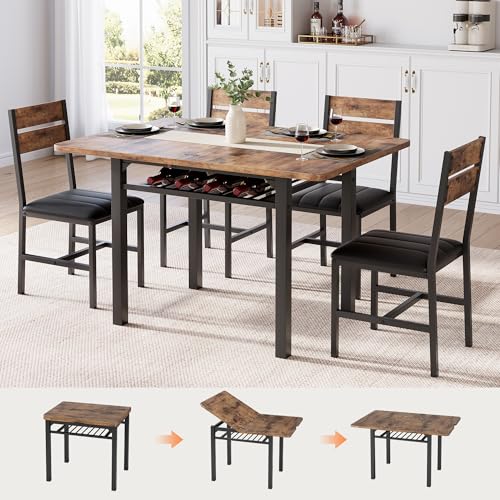
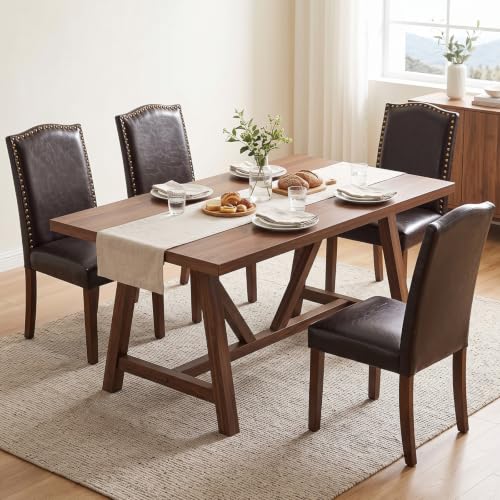
Table and Chairs Dining Set for 4: The Complete Buying Guide
Everything you need to know before choosing a four-person outdoor dining set — from table dimensions and seating ergonomics to material durability, umbrella compatibility, and long-term care. Research once, enjoy for seasons.
Start the GuideWhy a Four-Person Set Is the Outdoor Sweet Spot
A table and chairs dining set for 4 hits a practical middle ground that larger or smaller sets often miss. It seats a family of four without wasting square footage, it fits comfortably on most standard patios and decks, and it scales gracefully for entertaining — two sets pushed together handle a dinner party of eight, while a single set leaves room for a lounge corner.
Four-seat sets also tend to be the most versatile category in outdoor furniture. You will find them in every material family, from teak and acacia to powder-coated aluminum and synthetic resin wicker, and in footprints ranging from compact bistro-style squares to full rectangular tables with umbrella holes. That variety means you can match the set to your space rather than reshaping your space around the set.
For buyers in the research phase, the priority is understanding what separates a set that lasts a decade from one that disappoints after two seasons. That comes down to frame construction, tabletop material, joint quality, and how well the design suits your climate — the topics covered in the sections below.
Key Buying Factors Before You Decide
Before comparing specific sets, anchor your decision on five practical factors. Getting these right narrows the field quickly and prevents the most common post-purchase regrets.
1. Available Footprint and Clearance
Measure the patio or deck area where the set will live, then subtract clearance space. You need roughly 36 inches around the table so chairs can slide out and people can walk behind seated guests. A four-person set generally works well in an area of about 8 by 8 feet or larger; tighter spaces call for square or round tables with stackable chairs.
2. Climate and Exposure
Full-sun, coastal, rainy, or freeze-prone conditions each favor different materials. Coastal environments demand rust-proof finishes and marine-grade hardware. Freeze-thaw climates reward materials that resist cracking. High-UV regions favor solution-dyed fabrics and UV-stable finishes. If you want a deeper framework for weighing long-term durability against initial outlay, the splurge versus save comparison is a useful companion read.
3. Seating Comfort and Ergonomics
Seat height, seat depth, back angle, and armrest clearance determine whether a set feels inviting after an hour. A comfortable outdoor dining chair typically has a seat height of about 17 to 18 inches, a seat depth of 17 to 19 inches, and enough back support for relaxed sitting. Chairs with arms feel more supportive but require more clearance under the table.
4. Material and Finish Quality
Look at frame wall thickness, weld quality, powder-coat coverage, and hardware material. Reinforced joints and high-grade steel or thick aluminum tubing signal a solid build. On wood sets, check grain orientation, joinery type, and whether the finish is oil-based, water-based, or factory-sealed.
5. Storage and Seasonal Handling
If you plan to store the set during winter or storm season, folding tables, stackable chairs, and sets that break down flat are far easier to manage. Cushion storage needs are covered in the cushion storage containers guide.
Table Shapes and Sizes That Seat Four
The shape of the table affects traffic flow, conversation, and how well the set fits your space. Here is how the three main shapes perform for four-person seating.
| Shape | Typical Seating Footprint | Best For | Trade-Off |
|---|---|---|---|
| Square | 36–40 in per side | Compact patios, corners, symmetrical layouts | Less elbow room per side than rectangular |
| Round | 42–48 in diameter | Conversation-friendly dining, angled spaces, flow-around traffic | Wider footprint for the same seat count |
| Rectangular | 48–60 in long, 30–36 in wide | Long patios, placement against walls or railings | Guests at the ends sit farther from the center |
As a rule of thumb, allocate at least 24 inches of table width per person. A 48-inch rectangular table seats two per long side comfortably; a 36-inch square seats one per side. If you want an umbrella, confirm the table has a pre-drilled hole and that the base is rated for the umbrella's span. Sets with integrated shade are worth considering — for example, a square outdoor dining table with umbrella hole or a patio set with umbrella included can simplify planning.
Material Comparison for Frames and Tabletops
Material choice drives durability, maintenance, and visual character. The table below compares the most common options for four-person dining sets using neutral market tiers rather than absolute figures.
| Material | Market Tier | Weather Resistance | Maintenance | Best For |
|---|---|---|---|---|
| Teak | Premium to luxury | Excellent — naturally oily, rot-resistant | Periodic oiling; silver-gray patina if untreated | Long-term investment, classic and coastal looks |
| Acacia / Eucalyptus | Mid-range | Good with sealed finish | Annual sealing recommended | Natural wood warmth at a balanced tier |
| Powder-coated Aluminum | Mid-range to premium | Excellent — rust-proof frame | Wipe-down; occasional touch-ups | Humid and coastal climates, low upkeep |
| Steel with Powder Coat | Entry-level to mid-range | Good if coating stays intact | Inspect for chips; touch up promptly | Sturdy frames on sheltered patios |
| Synthetic Resin Wicker | Mid-range to premium | Very good — UV-stabilized weaves resist fading | Rinse and wipe; no sealing | Woven aesthetic with strong durability |
| HDPE / Resin | Entry-level to mid-range | Excellent — impervious to moisture | Soap and water | Carefree everyday use, family settings |
For tabletop surfaces, slatted designs drain rainwater and reduce standing moisture, while solid surfaces are easier to wipe clean but can pool water if not slightly pitched. Glass tops look elegant and are easy to clean but require care with heavy objects and temperature swings. If your heart is set on wood, review the teak furniture overview for grain and finish considerations before committing.
Editorial note: A mid-range set with a rust-proof aluminum frame and UV-stabilized resin wicker often delivers the best balance of durability and low maintenance for four-season outdoor use. Premium hardwoods reward buyers who enjoy periodic care; entry-level resin sets suit sheltered patios and casual use.
Chair Types That Pair With Four-Seat Tables
The chairs determine how the set feels day to day. Four common pairings dominate the market:
- Stackable dining chairs — the most practical choice for four-person sets. They store compactly, move easily, and suit both square and round tables. See stackable outdoor dining chairs for a full breakdown.
- Armchairs with cushions — more comfortable for long meals and lingering conversation, but they take more clearance under the table and need cushion storage planning.
- Slatted wooden chairs — pair naturally with wood tables and offer excellent breathability in hot climates. Teak options such as teak dining chairs age gracefully alongside a matching table.
- Swivel or rocking chairs — a more relaxed, lounge-leaning choice. These work best when the table is generous in size, since the motion requires additional clearance. Browse swivel patio chairs if this style appeals.
Whatever chair style you choose, test the pairing: chair arms should slide under the table apron, and seat height should leave about 10 to 12 inches between the seat and the tabletop for comfortable legroom.
Umbrella Holes, Shade, and Accessory Compatibility
Shade planning is often an afterthought, but it shapes how usable a dining set is during midday hours. If you want an umbrella, confirm three things: the table has a pre-drilled hole (typically 1.5 to 2 inches), the umbrella pole diameter matches, and the base is heavy enough for the canopy span. A standing umbrella base can provide stability without relying on the table itself.
Off-center or cantilever umbrellas are an alternative when the table lacks a hole; they also let you reposition shade through the day. If the set will sit fully exposed, consider a patio sun shade solution or a pergola overhead for broader coverage. A patio table cover with umbrella hole protects the surface when the set is not in use without requiring umbrella removal.
Four-Seat Sets for Small Patios and Balconies
A four-person set does not require a large patio — it requires the right proportions. Square tables in the 36-inch range and round tables around 42 inches fit comfortably on compact decks, while stackable chairs let you reclaim floor space between meals. For balconies specifically, look for sets with narrower chair footprints and tables that can push against a railing.
The broader principles of compact outdoor design are covered in the space-saving furniture guide, and if your layout is tighter still, the front porch table and chair set category covers two-seat alternatives that can pair with a four-seat set for flexible entertaining.
Weatherproofing, Maintenance, and Storage
A four-person dining set is an investment in daily outdoor living, and a small maintenance routine keeps it looking sharp for years. The essentials:
- Routine cleaning: Wipe tabletops weekly with mild soap and water; rinse frames monthly. Avoid abrasive pads on powder-coated surfaces.
- Wood care: Re-oil teak and acacia annually if you want to preserve the original tone; untreated teak develops a desirable silver-gray patina.
- Hardware checks: Tighten bolts at the start and end of each season. Replace any rusted fasteners promptly to prevent frame damage.
- Cushion handling: Store cushions during heavy rain and winter. Solution-dyed acrylic fabrics resist fading and mildew better than standard polyester.
- Seasonal storage: Stack chairs and fold tables where possible. If the set stays outside, use fitted covers that breathe to prevent condensation.
Fabric and cushion longevity are covered in depth in the outdoor cushion replacement guide, and sustainable material options are explored in the sustainable outdoor materials article.
Frequently Asked Questions
What size table seats four people comfortably?
A square table measuring around 36 to 40 inches per side or a rectangular table around 48 to 60 inches long typically seats four adults comfortably. Allow at least 24 inches of table width per person for elbow room.
Which material is best for an outdoor dining set for four?
Teak and acacia offer natural beauty and durability, powder-coated aluminum resists rust with minimal upkeep, and synthetic resin wicker delivers a woven look with strong weather resistance. The best choice depends on your climate and how much maintenance you prefer.
How much space do I need around a four-person dining set?
Plan for roughly 36 inches of clearance around the table so chairs can slide out and people can walk behind them. A four-person set generally works well on patios or decks of about 8 by 8 feet or larger.
Should I choose a round, square, or rectangular table for four?
Round tables encourage conversation and suit compact or angled spaces, square tables maximize seating in tight footprints, and rectangular tables offer clear sightlines and fit naturally against walls or railings.
Ready to Choose Your Four-Person Dining Set?
You now have the framework: match the footprint to your patio, choose a material that suits your climate, confirm shade compatibility, and plan for seasonal care. The recommendations below apply that framework to real products available today.
See Recommended Sets