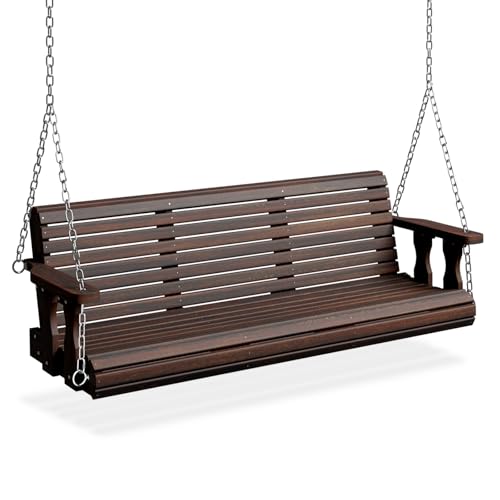
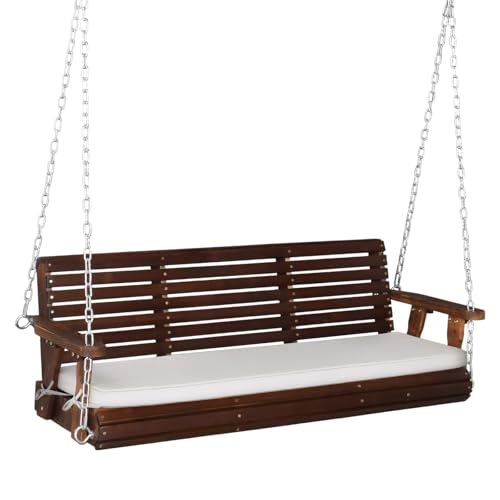
Swinging Porch Bench: The Complete Buying & Styling Guide
Everything you need to choose, hang, and care for a porch swing that lasts for years.
A swinging porch bench turns an ordinary front porch or back deck into a destination. It invites slow mornings with coffee, lazy afternoons with a book, and quiet evenings with family. But choosing the right one takes more than falling for a pretty design. Frame material, hanging hardware, cushion quality, and the size of your space all shape how comfortable and safe your swing will be. This guide walks you through every decision so you can buy with confidence.
Why a Swinging Porch Bench Belongs on Your Porch
A porch swing is one of the few outdoor pieces that blends seating, relaxation, and architectural charm in a single item. Unlike a fixed bench, the gentle motion of a swinging porch bench soothes and entertains, making it a favorite gathering spot for kids and adults alike. It also works across styles, from a rustic farmhouse front porch to a modern covered deck.
Beyond comfort, a swing bench frees up floor space because it hangs rather than sits on the ground. That makes it a smart choice for compact porches where every square foot matters. If space is tight, you may also want to explore other space-saving furniture ideas that pair well with a swing.
Frame Materials: Which One Fits Your Climate?
The frame is the foundation of any porch swing. Each material brings different strengths, and the right pick depends on your local weather, maintenance appetite, and design taste.
- Teak and other hardwoods: Naturally weather-resistant and beautiful over time. Teak develops a silver patina if left untreated, or you can oil it to keep the honey tone. Wood frames are heavy-duty and feel solid, but they need occasional sealing. If you love natural warmth, browse our teak furniture overview and teak garden bench notes for care tips.
- Painted or stained pine and cedar: Lighter on the wallet and easy to repaint. Cedar resists rot better than pine, making it a strong mid-range choice for humid climates.
- Powder-coated steel and aluminum: Rust-proof finishes and minimal upkeep. Aluminum is lighter and easier to hang; steel feels sturdier. Both suit modern and coastal porches.
- Resin wicker and synthetic rattan: UV-resistant and comfortable, with a woven look that hides scratches. These pair nicely with synthetic resin wicker outdoor furniture for a cohesive set.
Hanging Hardware and Installation Essentials
A swinging porch bench is only as safe as its mounting. Before you buy, confirm your porch ceiling or beam can support the load. Most swings need a beam rated for at least double the combined weight of the bench and seated users. Look for these components:
- Hanging chains or straps: Heavy-duty galvanized or stainless steel chains resist rust. Nylon straps are quieter but should be rated for outdoor use.
- Mounting brackets: Spring-loaded or fixed brackets attach to the ceiling. Spring options add a softer bounce.
- Stand-alone option: If you lack a suitable ceiling, a swing with stand or stand-alone hammock stand style frame solves the problem without structural changes.
Always follow the manufacturer's weight rating and installation instructions. When in doubt, hire a professional to mount the hardware. For a broader look at porch seating options, our swing bench guide and swinging porch bench resource pair well with this article.
Sizing Your Swing for the Space
Measure twice before you hang. A standard two-seat swing runs about four to five feet wide, while three-seat models stretch to six feet or more. Leave at least 18 inches of clearance on each side and about three feet of swing space in front so the bench doesn't hit railings or walls.
For narrow porches, a compact swing or a swing seat canopy can maximize comfort without crowding. If you plan to pair the swing with other seating, consider a stone garden bench or a table and chair set for front porch to complete the layout.
Cushions, Comfort, and Fabric Care
The frame gets the attention, but the cushion decides whether you actually linger. Look for high-density foam wrapped in solution-dyed acrylic or polyester fabric rated for outdoor use. These resist fading and mildew. Removable, zippered covers make cleaning easier.
When cushions wear out, replacement covers extend the life of the bench. Our guide to sofa replacement cushions for outdoor furniture applies to swing benches too. Store cushions during heavy rain or off-season to keep them fresh, and use storage bins for outdoor furniture cushions for tidy protection.
Comparing Swing Bench Tiers
Porch swings fall into broad quality tiers. Rather than chasing numbers, use this table to match features to your needs and expected lifespan.
| Tier | Typical Materials | Best For | Notes |
|---|---|---|---|
| Entry-level | Painted pine, basic steel, light resin | First-time buyers, seasonal use | Simple hardware; plan to re-seal or repaint periodically. |
| Mid-range | Cedar, powder-coated aluminum, quality resin wicker | Year-round porches in mild climates | Better hardware and smoother swing motion; good value for its tier. |
| Premium | Teak, stainless steel, marine-grade hardware | Long-term investment, coastal homes | Durable construction and refined finishes; minimal upkeep. |
| Luxury / commercial-grade | Solid hardwood, custom fabrication | High-traffic porches, design-focused builds | Heirloom quality, tailored dimensions, premium craftsmanship. |
Matching Your Porch Style
A swing bench should feel like it belongs. For a classic look, pair a wood swing with teak garden chairs and warm textiles. For a breezy coastal vibe, choose white or navy frames with weather-resistant cushions. Modern porches shine with sleek aluminum frames and neutral palettes.
Add finishing touches with string lights, a rattan table lamp for evening glow, and a table and chairs set nearby for drinks. Seasonal swaps, like spring decor pillows or throws, keep the swing feeling fresh year-round.
Care and Maintenance for Long Life
- Wood: Inspect yearly for cracks; sand and re-seal as needed.
- Metal: Wipe with mild soap and water; touch up scratches to prevent rust.
- Resin wicker: Rinse with a hose and soft brush; avoid harsh chemicals.
- Hardware: Check chains and brackets each season for wear or loosening.
With a little routine care, a quality swinging porch bench can serve your family for a decade or more. It's a long-term investment in comfort and outdoor living.
Frequently Asked Questions
How much weight can a porch swing hold?
Most standard swings support two adults, but ratings vary. Always check the manufacturer's stated capacity and ensure your mounting beam exceeds it.
Can I hang a swing on a covered deck?
Yes, if the ceiling joists or beam are structurally rated for the load. Use a heavy-duty bracket and consult a professional if unsure.
What's the best material for humid climates?
Powder-coated aluminum, stainless steel, teak, and quality resin wicker resist moisture best. Avoid untreated pine.
How much clearance does a swing need?
Leave about 18 inches on each side and three feet in front for safe swinging motion.
Ready to Find Your Perfect Swing?
Browse our recommended swinging porch benches and compare features that fit your porch and lifestyle.
View Recommended Swings