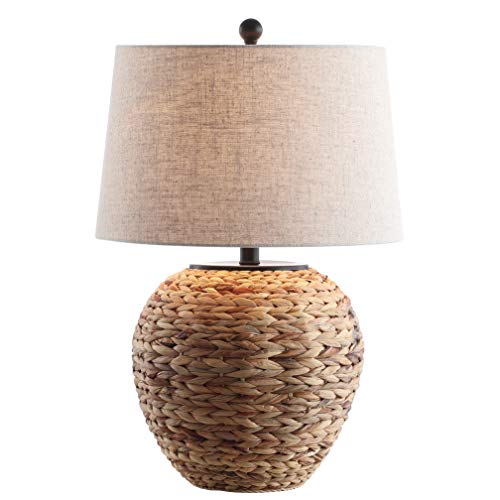
Rattan Table Lamp: The Complete Buying Guide for Warm, Natural Lighting
Discover how woven rattan lamps bring texture, ambiance, and a relaxed feel to patios, porches, and indoor spaces. Learn what to look for before you choose.
Explore Buying FactorsA rattan table lamp is one of those rare home accessories that works as both a practical light source and a design statement. Its woven shade casts a soft, patterned glow that instantly warms up a seating area, while the natural texture pairs beautifully with wood, wicker, and fabric outdoor furniture. Whether you are styling a covered patio, a sunroom, or a bedside table, understanding the construction and placement of rattan lamps helps you choose a piece that will look right and perform well for years.
This guide walks you through the key considerations: shade construction, bulb compatibility, base stability, weather exposure, and styling. By the end, you will know exactly which type of woven lamp suits your space and how to care for it so it stays beautiful season after season.
Why Choose a Rattan Table Lamp?
Rattan has been used in furniture and lighting for centuries because it is lightweight, flexible, and visually warm. In lamp form, it diffuses light through the weave to create a gentle, dappled effect that is far softer than a bare metal or glass shade. This quality makes rattan lamps especially desirable for evening relaxation areas — the kind of lighting that encourages conversation rather than harsh task work.
Beyond ambiance, woven lamps fit naturally into several popular outdoor and indoor design themes. If you are developing a coastal or bohemian patio look, a rattan lamp anchors the aesthetic without effort. Pair it with other natural elements like a teak furniture piece or a hanging swing chair to reinforce the organic feel.
- Warm, diffused light: The weave softens bulbs and reduces glare.
- Texture and visual interest: Adds depth to a tabletop even when switched off.
- Lightweight and portable: Easy to move between patio, porch, and indoor rooms.
- Versatile style: Works with coastal, boho, rustic, and modern organic interiors.
Natural Rattan vs. Synthetic Rattan: Which Is Right for Your Space?
The single most important decision is whether the lamp will live indoors or outdoors. Natural rattan is a plant fiber; it responds to moisture and direct sunlight over time. Synthetic rattan is a resin-based material engineered to resist fading, cracking, and moisture damage. Both are available in table lamp form, and the right choice depends entirely on exposure.
Natural Rattan Lamps
Best suited for indoor rooms, covered porches, and sunrooms that do not receive direct rain. Natural rattan ages gracefully, developing a slightly deeper patina, but it should not be left in standing water or prolonged humidity. If you plan to use the lamp on a screened porch or under a deep roof overhang, natural rattan can work — just bring it inside during severe weather.
Synthetic Rattan Lamps
Designed for open-air patios and decks. High-quality synthetic rattan is UV-stabilized and moisture-resistant, so it holds its color and shape through sun and rain. For a fully exposed outdoor table, synthetic rattan is the safer long-term choice. It also tends to be easier to wipe clean, which matters in outdoor environments.
| Feature | Natural Rattan | Synthetic Rattan |
|---|---|---|
| Best placement | Indoor, covered porch, sunroom | Open patio, deck, poolside |
| Weather resistance | Low to moderate — avoid direct rain | High — UV and moisture resistant |
| Texture | Organic, slightly irregular, warm | Uniform, often smoother |
| Maintenance | Dust regularly, keep dry | Wipe with damp cloth |
| Longevity outdoors | Limited without shelter | Extended with proper care |
Key Buying Factors for Rattan Table Lamps
1. Shade Shape and Weave Density
Shade shape controls how light is distributed. A drum or cylinder shade pushes light outward in a broad circle — ideal for a dining table or a side table between two chairs. A tapered or bell-shaped shade directs more light downward, which works well for reading nooks. Weave density matters too: an open, loose weave produces dramatic light patterns; a tight weave gives a more even, subtle glow. For a balanced effect, look for a mid-density weave.
2. Base Style and Stability
Rattan lamp bases range from solid woven columns to open cage designs and combination bases with wood or metal accents. A heavier base is important on outdoor tables where wind or accidental bumps are possible. If the lamp will sit on a stacking resin side table or a lightweight surface, prioritize a base with a wide footprint.
3. Bulb Type and Heat Management
Rattan is a natural fiber (or a resin imitation), and excessive heat can degrade it over time. LED bulbs are the safest choice because they produce very little heat compared to incandescent or halogen. Look for lamps with an open top or ventilation gaps in the shade to allow heat to escape. A dimmable LED bulb paired with a rattan shade gives you the most control over ambiance.
4. Corded vs. Cordless
Corded lamps are straightforward and provide consistent power. Cordless (battery-operated) rattan lamps are increasingly popular for outdoor tables where running a cord is impractical. Cordless models are typically rechargeable via USB and offer several hours of runtime. If you are lighting a square outdoor table in the middle of a patio, a cordless lamp removes the trip hazard entirely.
5. Size Relative to the Surface
A table lamp should be proportional to its table. As a general guideline, the lamp height (including shade) should be roughly two-thirds the width of the table it sits on for a balanced look. On a narrow side table, a compact 12–16 inch lamp works best; on a large console or dining table, a 20–24 inch lamp makes a stronger statement.
If you are furnishing an outdoor area from scratch, it helps to think about lighting alongside seating and shade. Our patio essentials checklist covers the broader categories so you do not overlook anything important.
Placement Ideas for Rattan Table Lamps
Where you place the lamp determines how much you enjoy it. Here are proven placements for both indoor and outdoor settings:
- Patio side table between two lounge chairs: Creates a cozy conversation pairing. Choose a cordless model if the table is far from an outlet.
- Outdoor dining table centerpiece: A low-profile rattan lamp can replace a candle centerpiece and provide practical light for evening meals. Pair with a dining set for four for a complete look.
- Front porch console: A rattan lamp on a narrow console beside the door adds a welcoming glow. See our front porch table and chair set ideas for complementary pieces.
- Sunroom reading nook: Place a rattan lamp beside a comfortable chair to create a dedicated reading spot.
- Bedside on an indoor rattan nightstand: The lamp’s natural texture warms up a bedroom without adding visual weight.
When placing any lamp outdoors, keep it away from the direct path of sprinklers and ensure the surface is stable. If your patio is exposed to wind, consider a lamp with a heavier base or a cordless model that can be brought inside when not in use.
Care and Maintenance for Woven Table Lamps
Rattan lamps are low-maintenance but not maintenance-free. Dust settles into the weave and can dull the finish; outdoor exposure introduces pollen, insects, and moisture. A simple routine keeps the lamp looking its best.
- Weekly dusting: Use a soft brush attachment or a microfiber cloth to dislodge dust from the weave.
- Deep cleaning: Wipe synthetic rattan with a damp cloth and mild soap. Natural rattan should be cleaned with a barely damp cloth and dried immediately.
- Avoid soaking: Never hose down a rattan lamp. Moisture trapped in the weave can cause mold or warping in natural fibers.
- Seasonal storage: If you live in a climate with harsh winters, bring natural rattan lamps indoors during the off-season. Synthetic models can stay out but benefit from a cover during prolonged storms.
- Bulb checks: Periodically inspect the bulb and socket for signs of heat damage or corrosion, especially in humid climates.
For broader outdoor furniture maintenance, including how to protect woven materials and cushions, see our weatherproofing guide.
Pairing Rattan Lamps with Your Patio Style
Rattan is naturally versatile, but it shines brightest in certain design contexts. Here is how to integrate a rattan table lamp into common outdoor styles:
- Coastal: Pair with white or sand-toned cushions, light wood, and blue accents. A rattan lamp reinforces the breezy, beachy feel.
- Bohemian: Combine with layered textiles, macrame, and mixed planters. Rattan’s organic texture is a natural fit.
- Modern organic: Use a sculptural rattan lamp as a contrast piece against clean-lined modern furniture. The warmth balances harder surfaces.
- Rustic farmhouse: Choose a lamp with a darker stain or a combination rattan-and-wood base to match timber and stone elements.
If you are still shaping your overall outdoor palette, our patio styles guide can help you narrow down a cohesive direction before you commit to accessories.
Common Mistakes to Avoid
- Using a natural rattan lamp in full rain exposure. It will deteriorate quickly. Choose synthetic rattan for uncovered areas.
- Installing a high-wattage incandescent bulb. Excess heat can scorch or discolor the shade over time. Stick to LED.
- Ignoring base weight outdoors. A lightweight lamp on an exposed table can tip in the wind. Look for weighted bases or cordless portability.
- Overcrowding the table. A lamp needs breathing room. Keep other decor minimal so the woven texture stands out.
- Skipping the dimmer. A dimmable LED bulb transforms a rattan lamp from a simple light source into a mood-setting piece.
Quick Decision Matrix
| Your Situation | Recommended Tier | Key Feature to Prioritize |
|---|---|---|
| Indoor bedside or reading nook | Entry-level to mid-range | Dimmable LED compatibility, compact shade |
| Covered porch or sunroom | Mid-range | Natural rattan with tight weave, stable base |
| Open patio, exposed to weather | Mid-range to premium | Synthetic rattan, UV-resistant finish, weighted base |
| No outdoor outlet available | Mid-range | Cordless rechargeable model with long runtime |
| Statement piece for a large table | Premium to luxury | Oversized sculptural shade, hand-woven detail |
Frequently Asked Questions
Yes, but choose synthetic rattan for open exposure. Natural rattan is suitable for covered porches and indoor rooms only.
LED bulbs are ideal because they emit very little heat. Choose a warm white (2700K–3000K) dimmable LED for the most flattering glow.
Dust weekly with a soft brush. For deeper cleaning, wipe synthetic rattan with a damp cloth and mild soap. Natural rattan should be wiped with a barely damp cloth and dried immediately.
Most cordless models are designed for ambient lighting rather than full task lighting. For dining, pair a cordless lamp with overhead string lights or a patio umbrella light.
Aim for a lamp height about two-thirds the width of the table. On a small side table (16–20 inches wide), a 14–16 inch lamp works well. On a larger console or dining table, a 20–24 inch lamp provides better balance.
Final Thoughts
A rattan table lamp is a small addition that changes the entire mood of an outdoor or indoor space. By selecting the right material for your exposure level, pairing it with a dimmable LED bulb, and placing it on a stable surface, you get a lighting piece that is both beautiful and practical. Whether you are finishing a cozy balcony or accessorizing a full patio setup, woven rattan lighting brings warmth that hard materials cannot match.
If you are still comparing broader outdoor investments, our splurge vs. save guide offers a framework for deciding where to prioritize your attention. For smaller spaces, see our space-saving furniture ideas to make every inch count.