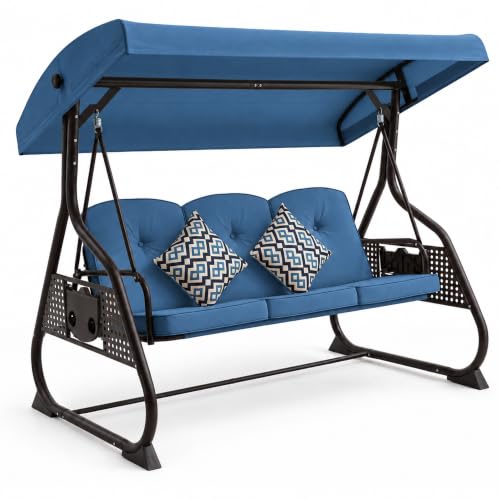
Swing Seat Canopy: The Complete Buying & Design Guide
Everything you need to choose, install, and maintain a swing seat canopy that delivers lasting shade, comfort, and style for your backyard retreat.
START EXPLORINGWhy this guide matters: If you have already decided that a canopy swing belongs on your patio, deck, or garden, the next step is understanding which configuration, material, and canopy style will actually hold up outdoors. This guide walks you through sizing, fabric grades, frame construction, installation, and care — so you can buy with confidence and avoid the common mistakes that shorten a swing's lifespan.
What Is a Swing Seat Canopy?
A swing seat canopy is the overhead fabric structure attached to a freestanding or hanging porch swing, typically spanning the seat's full width and extending forward to create a shaded enclosure. Unlike a standalone patio umbrella, the canopy moves with the swing, which means the shade is always aligned with your seating position — no more chasing the shadow as the sun shifts.
Canopy swings come in two broad configurations. The most common is a freestanding swing with an integrated frame, where the A-frame legs and top crossbar support both the swing and the canopy. The second type is a hanging swing with a separate canopy bracket, which mounts to a porch ceiling or pergola beam and suspends the canopy above the seat. Both styles are popular because they combine lounge seating with built-in sun protection in a single footprint.
If you are comparing a canopy swing against a simpler open-frame option, our guide to the swing bench is a useful companion read. For a broader look at how a canopy swing fits into a complete backyard layout, the backyard swing planning guide covers placement, anchoring, and traffic flow.
Key Benefits of Adding a Canopy
The canopy is not just a cosmetic addition — it changes how and when you can use your swing. Here are the practical advantages that matter most during the research stage:
- Consistent shade throughout the day. Because the canopy is attached to the swing, the shaded area stays centered on your seating position as the swing moves. A fixed umbrella cannot match this.
- UV protection for upholstery and skin. A quality canopy fabric blocks the majority of harmful UV rays, which extends the life of the seat cushions and reduces sun exposure during long afternoons outdoors.
- Light rain resistance. Many canopy tops are water-repellent, letting you stay seated through a brief shower or morning dew without soaking the cushions.
- Defined visual anchor. A canopy creates a distinct outdoor room within your yard. It reads as intentional design rather than a piece of furniture dropped onto a lawn.
- Wind comfort. A canopy with side curtains or a wrap-around design can soften breezes, making the swing usable on gusty days.
For homeowners building out a full relaxation zone, a canopy swing pairs naturally with other shaded seating like a swing hammock chair or a stand-alone hammock stand for a layered, resort-style feel.
Buying Guide: What to Look For
During the research phase, most buyers focus on the canopy fabric first — but the frame and hardware matter just as much, because they determine whether the swing stays stable and whether the canopy survives a windy season. Work through these five checkpoints before you commit.
1. Canopy Fabric Grade
The canopy top is the most exposed component. Look for solution-dyed polyester or acrylic fabrics with a UPF rating, a water-repellent finish, and mildew resistance. Entry-level canopies often use thin polyester that fades within a season; mid-range and premium canopies use denser weaves and reinforced seams that hold color and shape far longer.
2. Frame Construction
Powder-coated steel and aluminum are the two dominant frame materials. Steel is heavier and more stable in wind, while aluminum resists rust and is easier to relocate. Check the wall thickness and the weld quality at the joints — a solid build with reinforced corners is the single best indicator of longevity.
3. Canopy Attachment System
How the canopy connects to the frame determines how easy it is to remove for cleaning or winter storage. Hook-and-loop straps, zippered sleeves, and snap-on brackets are common. A canopy that detaches quickly is a major practical advantage.
4. Swing Mechanism
Look at the bearings, chains, or springs that suspend the seat. Smooth-glide bearings reduce wear on the frame, and a well-tensioned spring system prevents the seat from swinging too aggressively. This is where mid-range models typically pull ahead of entry-level ones.
5. Weight Capacity & Stability
Check the rated load capacity for both the seat and the canopy frame. A wider seat with a large canopy catches more wind, so the base needs to be correspondingly heavier or anchorable. If your yard is exposed, prioritize a model with anchor points or add ground stakes.
For readers also planning a larger shade strategy across the yard, our sun shade for patio overview explains how canopy swings complement umbrellas, pergolas, and sail shades. And if you are weighing a swing against other lounge seating, the splurge vs. save guide helps you decide where to invest.
Canopy Fabric & Frame Materials Compared
Material choice drives durability, maintenance, and the look of the swing. The table below summarizes the trade-offs across the most common canopy and frame options.
| Material | Best For | Durability | Maintenance |
|---|---|---|---|
| Solution-dyed polyester | Everyday backyard shade | Good — resists fading for multiple seasons | Wipe down; machine wash canopy on gentle cycle |
| Acrylic fabric | High-sun climates, premium setups | Excellent — strong UV and color retention | Spot clean; store in winter |
| Olefin fabric | Humid or coastal areas | Very good — naturally mold-resistant | Rinse and air-dry; minimal effort |
| Powder-coated steel frame | Windy, exposed patios | Heavy-duty and stable | Touch up chips; inspect annually for rust |
| Aluminum frame | Portable setups, coastal yards | Rust-proof and lightweight | Wipe clean; check fastener tightness |
| Resin wicker over metal | Decorative, traditional styling | Good with a solid internal frame | Rinse; avoid abrasive cleaners |
If your design direction leans toward natural textures, a resin wicker canopy swing pairs well with other synthetic resin wicker outdoor furniture, while teak accents can echo the tones of teak furniture elsewhere on the patio.
Sizing & Placement Guide
Getting the dimensions right is the difference between a comfortable reading nook and a swing you never use. Measure your space carefully before ordering.
Seat Width
Two-person canopy swings typically range from roughly 40 to 60 inches wide, while three-person models extend to about 70 inches. As a rule of thumb, allow at least 24 inches of clearance on each side so the swing can move without knocking into railings, planters, or walls.
Canopy Depth & Height
The canopy should extend forward far enough to shade the full seat when the sun is at a mid-to-high angle. A canopy depth of 40 to 48 inches covers most two-seat swings. Headroom matters too: keep at least 6 to 7 feet of clearance under the canopy front edge so people can step in and out comfortably.
Placement & Clearance
Position the swing so the back faces the dominant wind direction if possible — the canopy frame acts as a partial windbreak. Leave enough room behind the swing for the seat to travel backward without hitting a fence or hedge. On a deck, confirm that the frame feet sit on joists or add a load-spreading mat.
Space-saving tip: If your porch or balcony is tight, a compact canopy swing combined with other space-saving furniture can keep the layout open while still providing dedicated shaded seating.
Product Tiers at a Glance
To compare canopy swings without getting lost in specifications, it helps to think in quality tiers. The descriptors below are relative positions in the market — not absolute ratings — and each tier is defined by build quality, fabric grade, and feature set.
| Tier | What Defines It | Best For |
|---|---|---|
| Entry-level | Thin polyester canopy, basic steel frame, simple chain suspension | Occasional use, sheltered porches, seasonal setups |
| Mid-range | Solution-dyed fabric, reinforced welds, smoother bearings, detachable canopy | Year-round residential use, family patios, moderate sun |
| Premium | Acrylic canopy, heavy-duty powder-coated frame, upgraded cushioning, refined hardware | High-sun climates, exposed decks, long-term outdoor living |
| Luxury | Architectural frame design, custom canopy options, commercial-grade stitching, enhanced stability features | Design-led backyards, statement outdoor rooms, demanding environments |
Mid-range models usually offer the best balance for most households: the canopy is durable enough to survive multiple summers, the frame is stable without being immovable, and replacement canopy tops are easy to find. If you want to see how tier thinking applies to other outdoor categories, our buying guides hub covers the same framework across seating, shade, and storage.
Installation & Setup Tips
Most freestanding canopy swings assemble in under two hours with basic tools. Hanging models require more planning because the mounting point must support the full weight of the swing plus occupants.
- Assemble on a flat surface. Build the frame on level ground before moving it into position — this prevents twisted joints that make the canopy sit crooked.
- Anchor the base. Use ground stakes for lawn placement and deck anchors for wood surfaces. A wide, heavy base reduces tipping risk in gusts.
- Attach the canopy last. Fit the canopy after the frame is stable and the swing is hung, so you can verify the shade position and adjust tension evenly.
- Check hardware after the first week. Bolts and brackets settle after initial use. Re-tighten everything once the swing has been used a few times.
- For hanging models, verify the ceiling beam or pergola crossbar is rated for the load, and use a mounting bracket designed for outdoor swing use rather than generic hooks.
If your swing will hang from a pergola, our pergola guide covers beam spacing and load considerations that affect safe hanging. For a wall-mounted or post-mounted alternative, the swing with stand overview explains how a dedicated stand simplifies installation.
Care & Maintenance
A canopy swing is exposed to sun, rain, and wind year-round, so a simple seasonal routine pays off. Follow these steps to keep the canopy taut and the frame sound.
Weekly Routine
- Brush off leaves and debris from the canopy top — trapped moisture is the leading cause of mildew.
- Wipe down the frame with a damp cloth, especially around joints where dirt accumulates.
Seasonal Deep Clean
- Remove the canopy and wash it according to the fabric care label — most solution-dyed and acrylic canopies tolerate a gentle machine cycle.
- Inspect the frame for paint chips and touch up with a matching powder-coat paint to prevent rust.
- Check all fasteners and replace any worn chains, springs, or brackets.
Winter Storage
- Detach the canopy and store it indoors, rolled rather than folded, to avoid permanent creases.
- Cover the frame with a breathable cover, or move a lightweight aluminum model indoors.
- If the swing stays outside, loosen the canopy tension slightly to reduce stress from freeze-thaw cycles.
For a full weatherproofing routine that covers cushions and frames, see our weatherproofing guide. To protect the seat cushions during storage, a storage bin for outdoor furniture cushions keeps fabric dry and pest-free. If the seat pads are showing wear, sofa replacement cushions for outdoor furniture can refresh the look without replacing the whole swing.
Design & Styling Ideas
The canopy swing is a natural focal point, so styling it well elevates the whole outdoor space. Consider these approaches based on the mood you want to create.
Coastal Retreat
Pair a white or sand-toned canopy with striped cushions, a weathered wood side table, and nearby outdoor rugs in rope or jute textures. Add string lights overhead for evening warmth.
Garden Nook
Set the swing among planters and greenery. A canopy in deep green or olive blends with foliage, while outdoor planters and a nearby bird bath or fountain add sensory interest. This style works especially well in spring, and our spring decor guide has seasonal refresh ideas.
Modern Minimalist
Choose a charcoal or graphite canopy with a slim aluminum frame, neutral cushions, and a single sculptural side table. Keep accessories sparse — the clean lines of the canopy do the visual work.
Family Lounge
Oversized canopies that seat three people work well with nearby game areas or a square picnic table with attached benches for a complete outdoor dining-and-relaxation zone.
Lighting makes a big difference after sunset: a rattan table lamp beside the swing or a set of solar lights along the path creates a soft, low-effort glow. For broader backyard styling direction, the patio styles collection covers everything from rustic farmhouse to coastal nautical.
Frequently Asked Questions
Can I replace just the canopy on an existing swing?
Yes — replacement canopies are widely available for standard frame sizes. Measure the frame's top width and the distance between the attachment points before ordering. A detachable canopy system makes replacement much easier, which is one reason mid-range and premium swings are worth considering.
How much weight can a canopy swing hold?
Load capacity varies by frame design. Check the manufacturer's rated capacity for both the seat and the canopy frame. Heavier steel frames and reinforced bases generally support more weight than lightweight aluminum models.
Will a canopy swing survive strong wind?
With proper anchoring and a heavy base, a well-built canopy swing handles normal breezy conditions. In storms or high-wind seasons, detach the canopy and store it, and consider moving lightweight models indoors. A wind-resistant canopy design with reinforced seams also helps.
Do I need a special mount for a hanging canopy swing?
Yes. A hanging swing requires a ceiling or beam mount rated for the combined weight of the swing, canopy, and occupants. Use a dedicated swing bracket rather than a generic hook, and confirm the beam can carry the load.
How often should I clean the canopy?
Brush off debris weekly and do a full wash at the start and end of each season. If the canopy is under trees or in a humid climate, increase the frequency to prevent mildew from setting into the fabric.
Can a canopy swing be used on a balcony?
Yes, provided the balcony has enough clearance and the swing is properly anchored. Measure carefully — a compact two-seat model is usually the practical choice for smaller balconies, and a balcony-friendly canopy swing should have a stable base that distributes weight evenly.
Ready to Complete Your Outdoor Retreat?
Explore our full collection of canopy swings and matching outdoor essentials, then build a shaded space you will actually use every day.
Explore Recommended Options