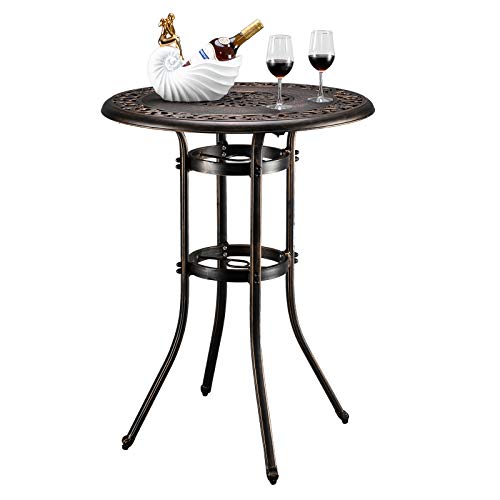
Outdoor Bar Height Table with Umbrella Hole: The Complete Buyer's Guide
Everything you need to know about choosing, pairing, and maintaining an elevated outdoor dining table with built-in shade. Designed for homeowners who want a casual, shaded gathering spot that works as hard as it looks good.
If you have been searching for a way to make your patio or deck more social, an outdoor bar height table with umbrella hole is one of the smartest additions you can make. It sits taller than a standard dining table, encourages standing and mingling, and the built-in umbrella hole means you get shade without sacrificing floor space to a separate umbrella base. For homeowners in the research phase, this guide covers the practical details that matter most: sizing, materials, umbrella compatibility, seating pairings, placement, and care.
Unlike a standard patio dining set, a bar height table changes the dynamic of your outdoor space. It feels more casual, more conversational, and often more space-efficient. When you add an umbrella hole, you solve the shade problem at the same time. This page walks you through every decision point so you can buy with confidence.
What Exactly Is a Bar Height Table with an Umbrella Hole?
A bar height table typically stands between 40 and 42 inches tall. It is designed to be paired with bar stools that have a seat height of roughly 28 to 30 inches. This is taller than a counter height table (around 36 inches) and significantly taller than a standard dining table (around 30 inches). The result is an elevated surface that works well for drinks, appetizers, casual meals, and conversation.
The umbrella hole is a pre-drilled opening in the center of the tabletop, usually between 1.5 and 2 inches in diameter. It allows a patio umbrella pole to pass through and anchor into a base beneath the table. This design eliminates the need for a separate freestanding umbrella base, which keeps your footprint cleaner and your sightlines open. It also centers the shade directly over the table, which is exactly where you want it during a sunny afternoon.
Many models also include a tabletop ring or collar around the hole to stabilize the pole and protect the surface from scratches. Some tables include a plug or cap so you can close the hole when the umbrella is not in use. These small details make a meaningful difference in long-term usability.
Why Choose a Bar Height Table with an Umbrella Hole?
The appeal of this furniture category comes down to a few practical advantages:
- Space efficiency: One table provides both dining surface and shade. You do not need to reserve separate floor space for a freestanding umbrella base.
- Casual social atmosphere: Bar height encourages guests to stand, mingle, and move around. It is ideal for entertaining, cookouts, and evening drinks.
- Better views: Sitting higher gives you a clearer view of your yard, garden, or surrounding landscape.
- Shade exactly where you need it: Because the umbrella is centered in the table, the shade lands directly over the seating area rather than off to one side.
- Versatility: Many models work equally well on a deck, patio, balcony, or in a screened porch. Some are compact enough for smaller spaces while still offering full bar height functionality.
If you are still comparing broader patio furniture categories, our guide to outdoor bar furniture provides a useful overview of how bar tables, stools, and carts work together as a system.
Standard Sizes and How to Choose the Right One
Bar height tables come in several common shapes and sizes. Understanding these options helps you match the table to your space and your typical guest count.
Round Bar Height Tables
Round tables are the most space-efficient option for small to medium patios. A 32 to 36 inch round table comfortably seats two to three people. A 40 to 48 inch round table seats four. Round tables encourage conversation because everyone faces the center, and they work well with a single centered umbrella.
Square Bar Height Tables
Square tables offer a bit more usable surface area per person than round tables of similar footprint. A 32 to 36 inch square table seats two to four people, while a 40 to 44 inch square table seats four comfortably. Square tables are easy to push against a wall or railing when not in use, making them a good choice for balconies and compact decks.
Rectangular Bar Height Tables
Rectangular tables are ideal for larger gatherings. A 60 inch rectangular table seats four to six, and longer models can seat six to eight. Keep in mind that a single centered umbrella hole may not provide adequate shade across the full length of a long rectangular table. In those cases, consider whether a larger umbrella canopy or a second shade source makes sense.
Height and Stool Pairing
The table height and stool seat height need to work together. As a general rule, allow 10 to 12 inches of clearance between the stool seat and the underside of the tabletop. If the table is 40 to 42 inches tall, a 28 to 30 inch seat height is the right match. Our guides to 30 inch seat height bar stools and 24 inch seat height bar stools can help you confirm the right pairing for your table.
Materials: What Holds Up Best Outdoors?
The material you choose affects durability, maintenance, weight, and appearance. Here is how the most common options compare.
Powder-Coated Aluminum
Aluminum is lightweight, rust-resistant, and easy to move. A powder-coated finish adds scratch and UV resistance. This is one of the most popular choices for bar height tables because it balances durability with portability. Look for a reinforced frame and a high-grade powder coating for the best long-term performance.
High-Grade Steel
Steel frames are heavier and very stable, which is helpful on windy decks. However, steel requires a rust-proof finish and more consistent care. If you choose steel, look for a galvanized or powder-coated frame and inspect it regularly for chips or scratches.
Teak and Hardwoods
Teak is naturally weather-resistant and develops a beautiful silvery patina over time. It is a premium option that rewards occasional oiling if you want to maintain its original color. Other hardwoods like eucalyptus offer similar appeal at a mid-range tier, though they may require more frequent sealing.
HDPE Lumber
High-density polyethylene (HDPE) is a synthetic lumber that resists moisture, insects, and fading. It is a low-maintenance option that mimics the look of painted wood. HDPE tables are solid choices for coastal or humid climates where natural wood may struggle.
Tabletop Materials
The tabletop may be slatted metal, glass, composite, or solid wood. Slatted metal drains water well and is very durable. Glass looks sleek but requires more careful handling and cleaning. Composite tops resist staining and fading. Consider how much maintenance you are willing to do before choosing a top material.
Umbrella Hole Compatibility: What to Check Before You Buy
The umbrella hole is the defining feature of this table category, so it deserves careful attention. Here are the key details to verify:
- Hole diameter: Most tables accept poles between 1.5 and 2 inches in diameter. Measure your existing umbrella pole or check the product specifications before ordering.
- Pole height: A bar height table sits higher than a standard table, so your umbrella needs to be tall enough to clear the tabletop and still provide headroom. Many standard patio umbrellas work, but confirm the pole length.
- Base requirements: Some tables include a built-in umbrella base or collar; others require a separate weighted base underneath. Make sure you know which setup the table supports.
- Stability ring: A tabletop ring or collar around the hole keeps the pole steady in wind. This is a small feature that makes a big difference in daily use.
- Plug or cap: A removable plug lets you close the hole when the umbrella is not in use, keeping the tabletop flat and clean.
If you are also considering a set that includes seating, our guide to an outdoor bar height table and chairs with umbrella hole covers how to evaluate complete configurations.
Pairing Your Table with the Right Bar Stools
The table is only half of the equation. The right stools make the setup comfortable and functional. Here is what to keep in mind:
- Seat height match: Confirm the stool seat height aligns with the table height. A 28 to 30 inch seat height is standard for 40 to 42 inch tables.
- Back or backless: Stools with backs offer more support for longer meals, while backless stools tuck under the table more easily and keep sightlines open.
- Swivel or fixed: Swivel stools make it easier to get in and out and to turn toward conversation. Fixed stools are simpler and often more stable.
- Footrest: A footrest ring or bar is important at bar height. Without one, your legs may dangle uncomfortably.
- Weather resistance: Match the stool material to the table. Powder-coated aluminum, HDPE, and teak are all solid outdoor choices.
For a deeper look at stool options, explore our guides to outdoor bar stools with backs and swivel bar stools with backs. If you prefer a coordinated set, a bar height bistro set with swivel chairs may be a better fit than buying pieces separately.
Placement and Layout Tips
Where you place your bar height table affects both comfort and function. Keep these guidelines in mind:
- Allow clearance for stools: Plan for at least 24 to 30 inches of space behind each stool so guests can pull out and sit down comfortably.
- Mind the umbrella swing: If your umbrella has a crank or tilt mechanism, make sure there is room to operate it without hitting a wall or railing.
- Consider wind exposure: Open decks and elevated balconies catch more wind. A heavier table and a weighted umbrella base help keep everything stable.
- Keep traffic paths clear: Avoid placing the table in the main walkway between your door and your yard. A bar table invites people to gather, so give it a natural pocket of space.
- Pair with a bar cart: A nearby outdoor bar cart keeps drinks and supplies close without cluttering the tabletop.
Care and Maintenance Basics
An outdoor bar height table with an umbrella hole is built for the elements, but a little care goes a long way:
- Clean regularly: Wipe down the tabletop with mild soap and water. Avoid abrasive cleaners that can dull powder coatings or scratch glass.
- Inspect the umbrella hole: Check the collar and ring for wear, and make sure the hole drains properly after rain.
- Store the umbrella when not in use: High winds can stress both the umbrella and the table. Close or remove the umbrella during storms.
- Touch up finishes: Address chips or scratches in powder coatings promptly to prevent corrosion.
- Use a cover: A fitted cover during off-season months protects the tabletop and frame from debris and prolonged moisture.
Quick Buying Checklist
Before you finalize your choice, run through this checklist:
- Table height matches your intended stool seat height (28 to 30 inches for 40 to 42 inch tables).
- Umbrella hole diameter matches your umbrella pole (typically 1.5 to 2 inches).
- Table shape and size fit your space and typical guest count.
- Frame material suits your climate and maintenance preferences.
- Stability features like a collar or weighted base are included or available.
- Clearance behind stools is sufficient for comfortable seating.
- Finish and hardware are rated for outdoor use.
If you are comparing table styles more broadly, our overview of outdoor bar height tables and the guide to outdoor bar tables can help you see how umbrella-hole models fit into the wider category.
Frequently Asked Questions
What is a bar height table?
A bar height table typically stands around 40 to 42 inches tall, designed to pair with bar stools that have a 28 to 30 inch seat height. It offers a casual, elevated dining experience for outdoor spaces.
Why does an umbrella hole matter on a bar height table?
An umbrella hole allows you to insert a patio umbrella through the center of the table, providing overhead shade without needing a separate freestanding base. This saves floor space and creates a cohesive shaded area for dining and entertaining.
What size umbrella fits a bar height table with an umbrella hole?
Most bar height tables with umbrella holes accommodate umbrellas with a 1.5 to 2 inch pole diameter. The canopy size depends on table dimensions, but 7 to 9 foot umbrellas are common for standard bar tables. Always check the hole diameter and pole compatibility before purchasing.
What materials are best for an outdoor bar height table?
Powder-coated aluminum, high-grade steel, teak, and HDPE lumber are among the best materials. Each offers different levels of weather resistance, maintenance needs, and aesthetic appeal. Aluminum is lightweight and rust-resistant, while teak and HDPE offer natural looks with solid durability.
Can I use a standard patio umbrella with a bar height table?
In many cases, yes. The key is pole diameter and pole length. Standard patio umbrellas often have poles that fit the 1.5 to 2 inch hole, but confirm that the pole is tall enough to clear the bar height tabletop and provide comfortable headroom.
Final Thoughts
An outdoor bar height table with an umbrella hole is a practical, social, and space-smart addition to any patio, deck, or balcony. It gives you a dedicated gathering spot, built-in shade, and a casual atmosphere that standard dining tables struggle to match. By paying attention to height pairing, umbrella compatibility, material durability, and placement, you can choose a table that serves your household well for many seasons.
Take your time comparing options, and use the checklist above to narrow your shortlist. When you are ready, the recommended products below are a helpful starting point for your research.