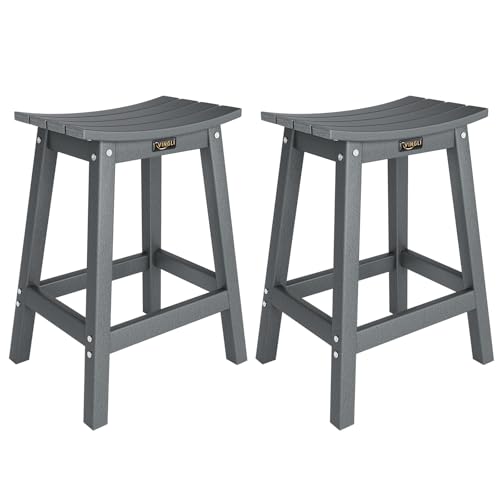
Outdoor Bar Stools 24 Inch Seat Height: The Complete Buying Guide
Everything you need to choose counter-height patio stools that combine comfort, durability, and style for your outdoor bar or kitchen counter.
Why 24-inch seat height matters: Stools with a 24-inch seat height are specifically engineered for counter-height surfaces, not full bar-height tables. Choosing the correct height is the single most important decision you will make — it determines legroom, posture, and how naturally your guests can sit, eat, and converse. This guide breaks down the measurements, materials, and design considerations that separate a well-chosen stool from a compromised one.
Understanding 24-Inch Seat Height in Outdoor Settings
Outdoor bar stools with a 24-inch seat height occupy a specific niche in patio seating. They are categorized as counter-height stools, and they are designed to pair with outdoor counters, kitchen islands that open to a patio, and counter-height bar tables. The industry-standard clearance between seat and countertop is roughly 10 to 12 inches, which means a 24-inch stool is the natural match for a surface measuring 36 to 38 inches tall.
This distinction is frequently misunderstood. Homeowners who purchase 24-inch stools expecting them to work with a 42-inch bar surface often discover the seating is uncomfortably low, forcing guests to reach upward. Conversely, placing 30-inch bar-height stools at a 36-inch counter creates cramped legroom and awkward posture. Verifying your surface height before ordering is non-negotiable — measure from the ground to the top of the counter, not to the underside of the overhang.
Quick Height Reference
Counter-height surfaces: 36–38 inches → pair with 24-inch seat height stools.
Bar-height surfaces: 40–42 inches → pair with 28–30-inch seat height stools.
Extra-tall bar surfaces: 44–46 inches → pair with 32-inch seat height stools.
Materials That Survive the Outdoors
The frame material determines how long your stools will remain structurally sound and visually presentable. Outdoor environments expose furniture to rain, UV radiation, temperature fluctuations, and occasional salt air. The following materials are the most dependable for counter-height patio stools:
Aluminum
Powder-coated aluminum is widely regarded as the gold standard for outdoor seating frames. It is naturally rust-resistant, remarkably lightweight, and easy to reposition when rearranging your patio. High-grade aluminum frames with a quality powder coating resist chipping and fading far better than painted steel. Look for stools described as having a rust-proof finish or weather-resistant coating when evaluating aluminum options.
Powder-Coated Steel
Steel offers excellent structural rigidity and a solid, grounded feel. However, untreated steel is vulnerable to rust at weld points and scratches. A heavy-duty powder-coated steel frame, properly maintained, performs well in covered patios and screened porches. For fully exposed locations, aluminum is generally the safer long-term choice.
Teak and Hardwoods
Teak is prized for its natural oils, which repel moisture and resist rot. A solid teak stool develops a graceful silver patina over time and can last for decades with minimal care. Other weather-resistant hardwoods such as acacia and eucalyptus offer similar benefits at a more accessible position in the market. Wooden stools pair beautifully with natural and rustic design themes. If you are considering other wooden outdoor seating, you may find our guide to teak lounge chairs useful for understanding how these materials age.
High-Density Polyethylene (HDPE)
HDPE is the material behind many modern recycled-plastic outdoor furniture lines. It is impervious to moisture, does not splinter, and requires virtually no maintenance beyond occasional cleaning. Stools in this category are typically offered in a range of colors and mimic the look of painted wood. They are an excellent choice for poolside areas and family-friendly patios.
Wicker and Rattan
Synthetic resin wicker woven over an aluminum frame delivers a warm, textured aesthetic that suits coastal and bohemian patios. The synthetic version withstands weather far better than natural rattan. When selecting wicker counter stools, confirm that the weave is UV-stabilized to prevent fading and brittleness. For a broader look at woven seating, our wicker seating guide covers care and selection in detail.
Comfort Features to Prioritize
A stool that looks elegant but punishes the sitter will rarely be used. Counter-height seating is often occupied for extended periods — brunches, evening drinks, casual dinners — so comfort deserves serious attention.
Seat Cushions and Padding
Outdoor cushions should use quick-dry foam and solution-dyed acrylic or olefin fabric. These materials resist mildew, retain color under UV exposure, and dry rapidly after rain. If your stools will remain outdoors year-round, prioritize cushions marketed as waterproof outdoor furniture cushions. Removable, machine-washable covers are a practical bonus.
Backrests and Footrests
A low backrest provides welcome lumbar support without visually crowding a counter area. Footrests are equally important: they allow the sitter to brace their feet, reducing pressure on the legs and improving stability. Stools without footrests tend to feel tiring after 20 to 30 minutes. Ensure the footrest is positioned at a comfortable height — typically 7 to 9 inches above the floor for a 24-inch stool.
Seat Width and Swivel Mechanisms
A seat width of at least 16 inches accommodates most adults comfortably. Swivel mechanisms add convenience for conversation and getting in and out, but they introduce moving parts that can wear or seize if exposed to grit and moisture. Mid-range and premium swivel stools typically use sealed bearing rings that hold up well outdoors; entry-level swivel mechanisms may require more frequent attention.
Stability, Weight Capacity, and Safety
Counter-height stools sit at a height where tipping becomes a genuine concern, particularly on uneven patio surfaces or when someone leans sideways. The following factors contribute to a safe, stable seating experience:
- Wide base footprint: A splayed leg design or a broad circular base distributes weight more effectively than narrowly spaced legs.
- Low center of gravity: Frames with substantial mass near the floor resist tipping better than top-heavy designs.
- Non-marking, non-slip feet: Rubber or plastic glides protect decking and improve grip on smooth surfaces.
- Weight capacity ratings: Reputable manufacturers publish a weight capacity. Commercial-grade stools often support higher loads and are a sensible choice for households with varied users.
If your patio surface is sloped or made of loose gravel, consider stools with adjustable leveling feet. Stability is especially important near pool edges and on elevated decks.
Matching Stools to Your Patio Style
Counter stools are visible from both the patio and, often, the interior of the home. They should harmonize with the surrounding design language rather than stand apart from it.
| Style Direction | Frame & Finish | Seat Material | Best For |
|---|---|---|---|
| Modern / Minimalist | Matte black or white aluminum, clean lines | Slim cushion, solid surface | Contemporary patios, sleek counters |
| Coastal / Nautical | White or weathered gray aluminum | Resin wicker, light blue cushions | Beach houses, poolside bars |
| Rustic / Farmhouse | Teak, acacia, or wood-look HDPE | Woven seat, earthy tones | Woodland retreats, covered porches |
| Industrial | Gunmetal or bronze powder-coated steel | Metal seat, leather-look cushion | Urban rooftop patios, loft spaces |
If your outdoor area includes woven pieces, our rattan chairs outdoor guide offers complementary styling insight. Pairing counter stools with a matching outdoor bar-height table and chairs with umbrella hole creates a cohesive entertaining zone.
Comparing Counter Stool Tiers
Outdoor counter stools span a wide range of market positions. The table below uses universal tier descriptors to help you understand what distinguishes each category without relying on numeric figures.
| Tier | Typical Frame Construction | Cushion & Fabric | Best For |
|---|---|---|---|
| Entry-Level | Basic aluminum or resin; welded joints may be minimal | Thin padding, basic polyester fabric | Occasional use, covered patios, starter setups |
| Mid-Range | Powder-coated aluminum or HDPE; reinforced joints | Quick-dry foam, solution-dyed acrylic | Regular family use, semi-exposed patios |
| Premium | High-grade aluminum or solid teak; precision welds | High-density foam, name-brand performance fabric | Frequent entertaining, full sun exposure |
| Luxury | Marine-grade aluminum or premium hardwood; hand-finished | Custom cushions, designer outdoor fabric | Design-forward patios, long-term investment |
Mid-range models generally deliver the most balanced combination of durability and refinement. Entry-level stools are perfectly serviceable in sheltered locations, while premium and luxury tiers justify their position through superior materials, tighter tolerances, and longer warranty coverage.
Care and Maintenance for Longevity
Even the most robust outdoor stool benefits from routine care. A simple seasonal routine keeps frames sound and cushions presentable:
- Weekly: Wipe down frames with a damp cloth to remove dust, pollen, and bird droppings before they bond to the finish.
- Monthly: Rinse aluminum and HDPE frames with mild soapy water; inspect joints for loose hardware and tighten as needed.
- Seasonally: Clean cushions according to manufacturer instructions; apply a wood sealant to teak and hardwood frames if you wish to preserve their original color.
- Off-season: Use waterproof outdoor furniture covers or store stools in a shed or garage during harsh winters.
For a deeper dive into protective strategies, consult our weatherproofing guide. If you need a dedicated place to stash cushions and small accessories, a water-resistant outdoor storage cabinet keeps everything organized and dry.
Final Buying Checklist
Before finalizing your selection, run through these verification points:
- Measure your counter or table height from the ground to the top surface. Confirm it falls within 36–38 inches.
- Verify the stool's seat height is exactly 24 inches, not 24 inches to the top of the backrest.
- Check the frame material and finish against your climate and exposure level.
- Confirm the presence of a footrest and assess its height relative to the seat.
- Review the weight capacity rating and stability features such as splayed legs or a wide base.
- Read customer feedback regarding assembly difficulty, wobble, and long-term finish durability.
- Confirm cushion fabric is rated for outdoor use and is removable or replaceable.
Ready to Complete Your Patio Bar Setup?
Browse our curated selection of counter-height outdoor bar stools below, chosen for durability, comfort, and design versatility.
Frequently Asked Questions
What is the ideal counter height for 24-inch seat height bar stools?
Outdoor bar stools with a 24-inch seat height pair best with counter-height surfaces measuring approximately 36 to 38 inches from the ground. This combination allows roughly 10 to 12 inches of clearance between the seat and the counter, which supports comfortable legroom and natural posture.
Are 24-inch seat height stools the same as bar height stools?
No. Stools with a 24-inch seat height are classified as counter-height stools, designed for counters around 36 inches tall. Traditional bar-height stools typically have a seat height of 28 to 30 inches and are intended for bars measuring 40 to 42 inches.
Which materials work best for outdoor counter stools?
Aluminum, powder-coated steel, teak, and high-density polyethylene are the most dependable choices for outdoor use. These materials resist moisture, UV exposure, and temperature swings better than untreated wood or standard finishes.
How do I protect outdoor bar stools from weather damage?
Use fitted waterproof covers during extended periods of non-use, rinse frames periodically to remove salt and debris, and store cushions indoors when not in use. Applying a protective sealant to wood or metal frames extends their service life significantly.
Can 24-inch stools be used with a standard dining table?
Generally, no. Standard dining tables are approximately 28 to 30 inches tall, and a 24-inch seat height would leave only 4 to 6 inches of clearance — far too little for comfortable legroom. Counter stools are intended for surfaces at least 36 inches tall.
Should I choose swivel or fixed counter stools for outdoor use?
Swivel stools offer convenience for conversation and ease of entry, but the mechanism introduces moving parts that can accumulate grit outdoors. If you choose swivel, look for models with sealed bearing rings. Fixed stools are simpler, more durable, and generally require less maintenance over time.