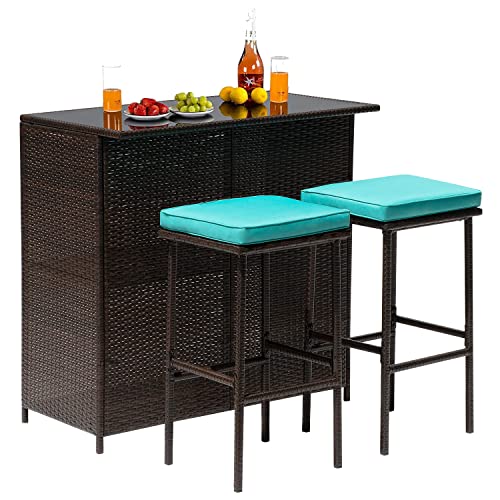
Outdoor Bar Set Buying Guide
Turn your patio, deck, or backyard into a welcoming entertaining hub. This guide breaks down bar heights, seating configurations, materials, and layout planning so you can choose an outdoor bar set that fits your space and the way you actually host.
Who this guide is for: Homeowners who already know they want a bar-height gathering spot but need clarity on sizing, materials, and configuration before committing. Read through, then browse curated options below.
Why an Outdoor Bar Set Works So Well
An outdoor bar set changes the social dynamic of a backyard. Standard dining tables anchor a meal, but bar-height furniture encourages standing, mingling, and casual conversation. Guests naturally drift toward the elevated surface, lean in, and stay longer. For anyone who hosts frequently — or simply enjoys an evening drink outdoors — a well-chosen bar set becomes the most-used zone on the patio.
The functional benefits are just as compelling. Bar-height tables keep drinks and plates out of reach of pets and small children. They free up floor space underneath, which makes small patios feel less crowded. And they pair naturally with outdoor bar stools, which can be tucked away when the party ends. If you are still mapping out your overall layout, our broader outdoor bar furniture overview is a useful companion to this guide.
Bar Height vs. Counter Height: Getting the Proportions Right
The single most common mistake buyers make is mixing heights. A bar set only feels comfortable when the table and stools are matched correctly. Here is the working relationship:
- Standard bar height: tables around 40–42 inches tall, paired with stools offering a 28–30 inch seat height.
- Counter height: tables around 36 inches tall, paired with stools offering a 24-inch seat height.
- Clearance rule: aim for 10–12 inches of space between the seat and the table's underside so legs and knees have room.
If you already own stools, measure their seat height before shopping for a table. If you are starting fresh, decide on the height first, then build the set around it. A bar height table is the classic choice for entertaining, while counter height suits households with shorter guests or anyone who prefers a slightly more grounded feel.
Choosing the Right Configuration for Your Space
Configuration matters as much as height. The right footprint depends on your available square footage and typical guest count.
Compact sets for two
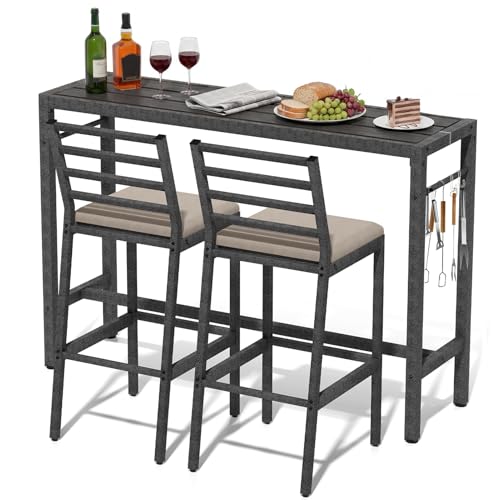
A bistro-style setup is ideal for balconies, narrow side patios, or couples who want a morning coffee spot. A two-person bar height bistro set with swivel chairs delivers full function in a small footprint, and swivel chairs make it easy to turn toward a view or a conversation.
Four-person sets
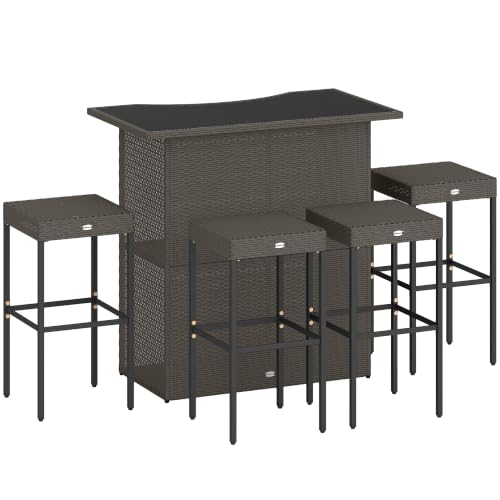
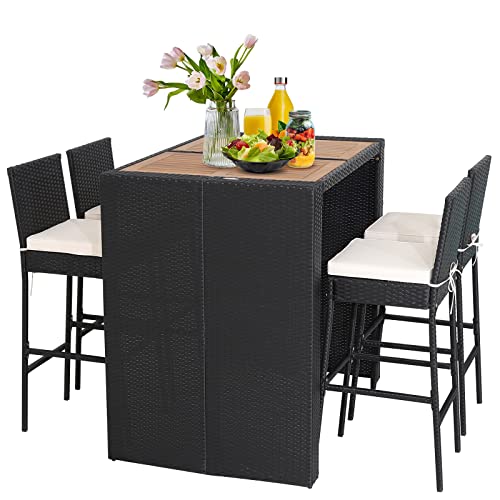
The most popular configuration. A square or round bar-height table with four stools handles game nights, casual dinners, and neighborhood gatherings without dominating the patio. Options like an outdoor bar height table and 4 chairs strike a nice balance between social capacity and spatial efficiency.
Larger dining-style sets
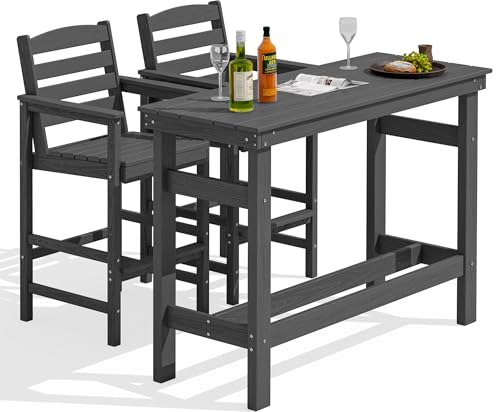
If you regularly host six or more, a rectangular bar-height dining set keeps everyone at eye level and creates a genuine outdoor dining room. A dedicated bar height dining set with a wider tabletop also gives you room for platters, a drink station, and centerpieces.
Specialty configurations
Some sets incorporate a built-in fire pit for cooler evenings, while others include an umbrella hole for midday shade. Explore bar height dining sets with a fire pit if your evenings run late, or consider a bar height table with an umbrella hole if your patio gets full sun.
Materials, Durability, and Market Tiers
Outdoor bar sets live in the elements year-round, so material quality is not a detail you can skip. The table below groups common approaches by market tier so you can match construction quality to how hard you plan to use the set.
| Tier | Typical Materials & Build | Best For |
|---|---|---|
| Starter tier | Powder-coated steel frames, resin or plastic tabletops, basic sling seats | Occasional use, renters, sheltered patios |
| Mid-tier | Aluminum frames with rust-resistant finish, HDPE or acacia surfaces, thicker cushions | Regular entertaining, mixed climates, family use |
| High-end tier | Teak or premium eucalyptus, marine-grade hardware, solution-dyed fabrics, reinforced welds | Frequent hosting, exposed patios, coastal conditions |
| Top-tier / commercial-grade | Solid hardwood or heavy-gauge aluminum, welded joinery, commercial-rated textiles | Intensive use, hospitality settings, long-term investment |
A mid-tier aluminum or HDPE set is the sweet spot for most homeowners: it resists rust, survives UV exposure, and stays light enough to rearrange. Wood sets in the high-end tier reward buyers who appreciate patina and are willing to apply an annual sealant. If you want to go deeper on frame construction, the comparison in our bar height table and chairs set guide covers the practical differences between aluminum, steel, and wood.
Seating: Stools, Swivel Chairs, and Back Support
Seating choice drives comfort more than any other factor. Backless stools save space and tuck neatly under the table, but they become uncomfortable after an hour or two. Stools with backs and footrests support longer gatherings. Swivel mechanisms add flexibility for conversation and views.
For households that host regularly, look at bar stools with backs in a set of 4 — the back support and integrated footrest make a noticeable difference over an evening. If your bar sits near a scenic view or an open fire, swivel bar stools with backs are worth prioritizing. Match seat height to your table, and confirm the weight capacity before you commit.
Planning the Layout Before You Buy
Measure twice. Mark the footprint on your patio with painter's tape, then walk the perimeter to feel how much space remains for circulation. As a rule of thumb, allow at least 24–30 inches of clearance behind pulled-out stools so guests can step back comfortably.
Think about the bar's relationship to other zones. A bar set positioned near the grill or outdoor kitchen becomes a natural prep-and-serve station. Placing it beside a seating area creates a layered entertaining flow. If your patio is compact, a round table generally moves more freely than a rectangular one. And if you need extra surface for drinks and appetizers, a complementary outdoor bar table can act as a secondary station without duplicating the main set.
Finally, consider the sun path. A set that sits in blazing afternoon sun will go unused unless you add shade — either through an umbrella hole or a freestanding umbrella. If wind is a factor in your area, choose a heavier table or plan a weighted base.
A note on comfort details
Small features make a large difference over time: a footrest ring on every stool, rounded table edges, non-marring glides that protect deck boards, and drainage channels on tabletops so rainwater does not pool. Check these before you decide.
Quick Pre-Purchase Checklist
- Confirm bar height (40–42 in) or counter height (36 in) and keep table and stools matched.
- Measure your patio footprint and mark it out before ordering.
- Decide on seating count based on typical guest numbers, not maximum capacity.
- Check frame material and finish for rust resistance in your climate.
- Look for back support and footrests if gatherings tend to run long.
- Confirm whether you need an umbrella hole or a freestanding shade solution.
- Verify assembly requirements and whether tools are included.
Once your priorities are clear, the curated options below will help you move from research to a confident decision. For a wider view of complementary pieces, our outdoor bar table and chairs collection page rounds out the picture.
Frequently Asked Questions
What is the standard height for an outdoor bar set?
Standard outdoor bar tables are typically 40 to 42 inches tall, paired with bar stools that have a seat height of 28 to 30 inches. Counter-height sets are slightly lower, with 36-inch tables and 24-inch stools. The key is leaving 10 to 12 inches of clearance between the seat and the underside of the table for comfortable legroom.
How many people does a typical outdoor bar set seat?
Most outdoor bar sets are designed for two to six people. A compact bistro-style set seats two, a square or round bar-height table typically seats four, and larger rectangular bar-height dining sets can accommodate six or more. Consider your typical guest count and the available square footage on your patio or deck before deciding.
What materials are best for an outdoor bar set?
Aluminum and powder-coated steel offer excellent rust resistance and are lightweight enough to move. Teak and acacia are durable hardwoods that weather gracefully. High-density polyethylene (HDPE) and resin wicker are low-maintenance options that resist moisture and UV damage. Choose a material that matches your climate and how much upkeep you are willing to do.
Do I need an umbrella with my outdoor bar set?
An umbrella is highly recommended if your bar set sits in direct sun. Look for a bar-height table with a pre-drilled umbrella hole, or use a freestanding cantilever umbrella that does not require a table base. This keeps guests comfortable during midday gatherings without sacrificing valuable table space.