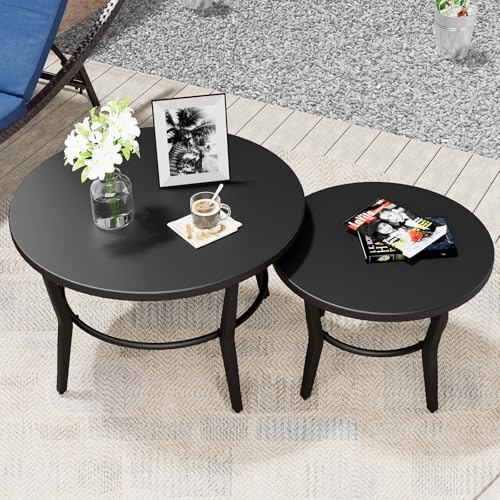
Outdoor Coffee Table and Side Table Set: The Complete Buying Guide
Everything you need to choose a coordinated coffee table and side table set that anchors your patio seating, withstands the elements, and elevates your outdoor living space.
Why Buy a Coordinated Coffee Table and Side Table Set
An outdoor coffee table and side table set does more than fill empty space on your patio. It ties a seating area together, gives guests a natural place to set drinks and plates, and creates the visual anchor that makes a lounge group feel intentional rather than improvised. When the coffee table and side tables are designed as a matched set, proportions, finishes, and materials align automatically — a detail that is surprisingly hard to replicate when you shop piece by piece.
Homeowners researching this category usually already know they want a table for their patio. The real questions are practical: which material survives my climate, what size fits between my sofa and chairs, and how do I keep the set looking good season after season. This guide answers those questions in order, from anatomy and materials through sizing, styling, and long-term care. If you are still deciding on the broader seating arrangement, our guide to outdoor coffee tables covers the standalone options in more depth.
A well-chosen set also solves a subtle design problem. Side tables give every seat within reach a landing spot, which keeps drinks off the armrests and plates off the ground. Coffee tables provide the communal surface where a tray of snacks, a board game, or a pitcher of lemonade lives during gatherings. The two work as a system, and buying them as a set is the most reliable way to get that system right.
What Makes a Great Outdoor Table Set
Outdoor tables face stresses that indoor furniture never sees: rain, UV exposure, temperature swings, and the occasional knocked-over glass. A quality set is built around a few core attributes.
Frame Construction
Look for welded or reinforced joints, especially on metal frames. Bolted connections are common and perfectly acceptable at mid-range, but they should use stainless hardware to resist corrosion. Wood frames should use mortise-and-tenon or doweled joinery rather than relying solely on screws. A solid build here is the difference between a table that lasts a decade and one that wobbles after two seasons.
Weather-Resistant Finishes
Powder-coated aluminum, sealed hardwood, and UV-stabilized resin all handle sun and rain well. What matters is the finish quality: a rust-proof finish on metal and a penetrating sealant on wood determine how long the table keeps its appearance. Tabletops with sealed grout lines or marine-grade finishes hold up best against standing water.
Surface Practicality
Outdoor tabletops need to shed water and resist staining. Slatted tops drain quickly, solid tops with a slight crown prevent pooling, and textured finishes hide scratches better than polished ones. Consider whether the surface has an umbrella hole and whether the set includes a stabilizing base — a detail covered in our guide to an outdoor coffee table with umbrella holder.
Weight and Stability
A table that is too light will shift in wind; one that is too heavy is difficult to rearrange. Mid-range sets typically hit a sensible balance, while premium stone-top tables trade portability for permanence. If your patio is exposed to gusts, choose a set with a wider footprint or add weighted feet.
Material Guide: Wood, Metal, Resin, and Stone
The material you choose drives maintenance, durability, and the overall aesthetic of your patio. Here is how the main categories compare.
Teak and Acacia Wood
Teak is the benchmark for outdoor wood: naturally oily, dense, and resistant to rot. It weathers to a silver-grey patina that many homeowners prefer, or it can be oiled to retain its warm tone. Acacia is a strong alternative with a similar look and excellent hardness, though it benefits from annual sealing. Wood sets feel grounded and pair beautifully with wicker seating or soft cushion palettes.
Powder-Coated Aluminum and Steel
Aluminum is lightweight, rust-resistant, and the go-to frame material for modern and coastal styles. Steel is heavier and stiffer but requires a flawless powder coat to prevent rust at scratches. Both handle rain well; both need occasional touch-ups where the coating wears. Metal sets suit sleek, contemporary patios and are easy to move when reconfiguring.
High-Density Resin and HDPE
Resin and high-density polyethylene tables are the most weather-tolerant option available. They will not rot, splinter, or fade easily, and they wipe clean in seconds. The trade-off is a slightly synthetic feel compared with genuine wood, though modern wood-grain finishes close that gap convincingly. For coastal or humid climates, resin is hard to beat.
Stone and Concrete Tops
Stone and concrete tabletops deliver a premium, architectural look and resist wind movement thanks to their weight. They are naturally cool in heat, which makes them pleasant on summer afternoons. However, they are heavy and can chip if struck, so they suit permanent setups rather than frequently rearranged patios. Sealing the surface prevents staining from oils and drinks.
| Material | Best For | Durability | Maintenance |
|---|---|---|---|
| Teak / Acacia Wood | Warm, natural patios | Very high with care | Annual sealant or oil |
| Powder-Coated Aluminum | Modern and coastal designs | High, rust-resistant | Wipe clean, touch up chips |
| HDPE Resin | Humid and coastal climates | Excellent all-weather | Soap and water only |
| Stone / Concrete | Permanent architectural setups | Very high, chip-prone | Reseal periodically |
Material tip: Match your table set to the frame of your seating rather than to the cushions. Frames define the permanent look of a patio, while cushions can be swapped as trends change. A teak table with an aluminum sofa works, but a teak table with a matching teak sofa reads as deliberate design.
Sizing and Layout for Your Patio
Proportion is where most patio table purchases go wrong. A table that looks right on a showroom floor can dwarf a small balcony or disappear in a large lounge area. Use these guidelines to get the scale right.
Coffee Table Sizing
A coffee table should span roughly two-thirds the length of the sofa or main seating piece it sits in front of. Aim for 14 to 18 inches of clearance between the table edge and the seats so guests can step in and out comfortably. For a four-seat conversational group, tables in the 36 to 48 inch range are typical. Larger L-shaped or sectional layouts support longer rectangular or oval tables. If you have a compact balcony, our guide to an outdoor small table explores space-efficient options.
Side Table Sizing
Side tables should sit at or just below the armrest height of adjacent seating, typically 20 to 24 inches tall. A round top of 18 to 20 inches in diameter is enough for a drink, a book, and a small planter without crowding the walkway. Square side tables work well at the ends of sofas, while round ones soften corners in tight groupings.
Layout Rules of Thumb
- Anchoring: Center the coffee table on the sofa, then place side tables at each outer arm.
- Circulation: Keep at least 24 inches of walking path between furniture and walls or railings.
- Balance: If your seating is asymmetrical, use a single larger side table on the open end rather than two small ones.
- Rugs: All four coffee table legs should sit on the rug if the rug is large enough; if not, front legs only is acceptable.
For a full breakdown of accent table placement, see our guide to outdoor accent tables.
Quality Tiers: Entry-Level to Luxury
Outdoor table sets fall into recognizable quality tiers. Each tier offers a different balance of materials, construction refinement, and longevity — and understanding those differences helps you match the set to how you actually use your patio.
Essential Tier
Essential-tier sets typically use tubular aluminum or resin frames with straightforward bolted assembly. They are lightweight, easy to move, and perfectly serviceable for seasonal patios or rented spaces. Finishes are functional but may show wear within a few seasons under constant sun. For occasional use and light climates, this tier delivers good value for its class.
Balanced Tier
Mid-range sets step up to thicker frames, better powder coats, and wood or composite tops with proper sealing. Joints are cleaner, hardware is stainless, and the tables feel stable underfoot. This is the tier where a set comfortably lasts many seasons with routine care, and it is where most homeowners land after weighing durability against flexibility.
Premium and Luxury Tiers
High-end sets use solid teak, marine-grade aluminum, or stone tops with precision joinery. They are heavier, more refined in finish, and designed to age gracefully. Luxury-tier sets often include subtle details — concealed fasteners, drainage channels, leveling feet — that make daily use effortless. These are long-term investments best suited to permanent patios where the furniture will not be moved often.
| Tier | Typical Materials | Best For |
|---|---|---|
| Essential tier | Aluminum tube, resin, basic composite | Seasonal patios, renters, light use |
| Balanced tier | Powder-coated aluminum, sealed acacia | Year-round home patios, families |
| Premium tier | Teak, marine-grade aluminum, stone | Permanent setups, design-focused spaces |
| Luxury tier | Solid teak, architectural concrete, marble | High-end outdoor rooms, long-term investment |
Styling Tips for a Cohesive Look
A matched set gives you a head start, but styling is what makes the group feel finished. These principles work across every tier and material.
Layer Heights and Shapes
Mix a rectangular or oval coffee table with round side tables, or the reverse. Varying silhouettes prevents the set from feeling flat while the shared finish keeps it unified. If your set includes nesting tables, keep one pulled out slightly to create depth.
Use a Tray to Corral Small Items
A weather-resistant tray on the coffee table turns clutter into a composition. Group a candle, a small planter, and a stack of outdoor-safe books. Rotate the arrangement seasonally to keep the space feeling fresh.
Add a Rug to Define the Zone
An outdoor rug under the seating group visually separates the lounge from the rest of the patio and makes the table set read as a single room. Choose a rug one size larger than the footprint of your furniture so the coffee table sits comfortably within it.
Light and Greenery
A side table is the ideal perch for a lantern or a small potted plant. Battery-powered table lamps and citronella candles on side tables extend evening use and add warmth. Keep greenery in weatherproof planters to protect the table surface.
Coordinate with Seating
If your seating is outdoor chairs in a wicker or rope weave, a wood or composite table set softens the look. If your seating is metal, a matching metal table set feels architectural. The goal is deliberate contrast or deliberate harmony — not accidental mismatch.
Care and Weatherproofing
Routine care is what separates a set that lasts a few seasons from one that lasts a decade. The routine is simple and applies to every tier.
Seasonal Cleaning
Wipe tables with mild soap and water monthly during patio season. Avoid abrasive cleaners on powder coats and never power-wash wood. For resin tables, a soft brush handles most grime.
Protecting Wood
Apply a penetrating sealant or furniture oil to wood tabletops annually, ideally before the rainy season. Sand lightly if the surface feels rough, then reseal. Teak can be left to patina, but sealing preserves its original color if that is your preference.
Protecting Metal
Inspect powder-coated frames for chips at the end of each season and touch up with matching paint to prevent rust from spreading. Dry frames after heavy rain to avoid water pooling in joints.
Off-Season Storage
Use breathable furniture covers rather than plastic sheeting, which traps moisture. If you can, store side tables indoors during the coldest months. Stone tops should be covered but allowed to breathe. For a deeper seasonal checklist, see our guide to outdoor coffee table with storage waterproof options that simplify winter storage.
Maintenance mindset: A balanced-tier set with consistent annual care typically outlasts a premium set that is neglected. The tier determines the ceiling; the care determines how close you get to it.
Frequently Asked Questions
What material is best for an outdoor coffee table set?
Teak and acacia offer natural warmth and durability, powder-coated aluminum resists rust and stays lightweight, and high-density polyethylene (HDPE) delivers all-weather resilience with a wood-like look. Choose based on your climate, maintenance preference, and design style.
What size coffee table fits a standard patio seating group?
For a four-seat conversational grouping, a coffee table roughly two-thirds the length of your sofa works well. Leave 14 to 18 inches of clearance between the table edge and seating so guests can move comfortably.
Do side tables need to match the coffee table exactly?
Matching sets create a cohesive look, but coordinated pieces in the same material family often look more curated. Keep height, finish, and scale consistent while allowing slight variation in shape for visual interest.
How do I protect outdoor tables from weather damage?
Use furniture covers during off-season months, apply a fresh sealant to wood surfaces annually, wipe metal frames dry after rain, and store cushions indoors. Proper care extends the lifespan of any tier of outdoor table set.