Outdoor Chairs: The Complete Buying Guide
Everything you need to choose the right outdoor seating — from Adirondack and bistro styles to lounge, dining, and camping chairs. Compare materials, comfort features, and durability tiers before you buy.
Explore Chair TypesWhy this guide matters: Outdoor chairs are the most-used furniture in any patio or backyard. The right choice combines comfort, weather resistance, and a style that fits your space. This guide walks you through every decision point so you can buy with confidence.
Why Outdoor Chairs Deserve Careful Selection
Outdoor chairs endure sun, rain, wind, and temperature swings — often for years. A chair that looks perfect on a showroom floor can fail quickly if its materials and construction aren't suited to your climate. Before browsing styles, think about how you'll actually use the seating: quick morning coffees, long dinner parties, poolside lounging, or camping trips. Each use case points toward different frame materials, seat depths, and weight capacities.
Comfort is equally important. Outdoor chairs are used for relaxation, so seat height, back support, armrest design, and cushion quality all affect how often you'll actually sit in them. A chair that's uncomfortable gets ignored — no matter how good it looks. The best outdoor chairs balance ergonomic support with weather-ready construction.
Finally, consider maintenance. Some materials need seasonal sealing or cushion storage; others are essentially maintenance-free. Matching the maintenance level to your lifestyle ensures the chairs stay in great shape without becoming a chore.
Main Types of Outdoor Chairs
Outdoor chairs fall into several broad categories, each suited to different settings and activities. Understanding these categories helps you narrow the field quickly.
Adirondack Chairs
Iconic deep-seated chairs with wide armrests and a reclined back. Ideal for lawns, decks, and fire pit areas. Look for weather-resistant wood or heavy-duty recycled plastic construction.
Bistro Chairs
Compact, lightweight chairs designed for small tables and balconies. Often stackable and easy to move. Great for casual coffee breaks and small-space dining.
Dining Chairs
Upright seating designed for patio dining tables. Prioritize seat height compatibility with your table and stackability for storage. Cushions add comfort for long meals.
Lounge & Chaise Chairs
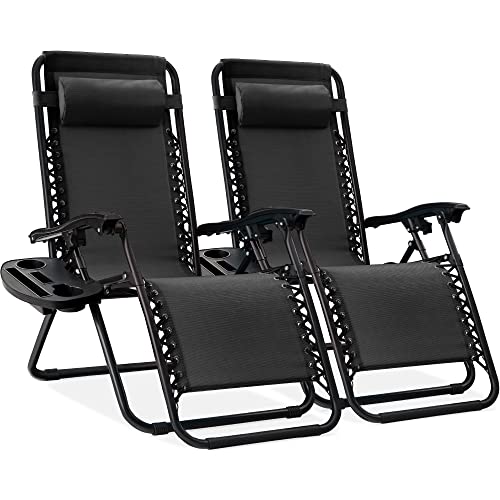
Reclining or deeply angled chairs for sunbathing and relaxation. Often paired with ottomans. Choose UV-resistant fabrics and rust-proof frames for poolside use.
Camping Chairs
Portable, foldable chairs built for travel and temporary setup. Lightweight frames and carry bags are standard. Best for occasional outdoor use rather than permanent patio seating.
Bar & Counter Chairs
Tall chairs matched to bar-height or counter-height tables. Check seat height carefully and look for footrests and back support for comfortable sitting.
Outdoor Chair Materials Compared
Material choice determines durability, maintenance, weight, and comfort. Here's how the most common outdoor chair materials compare.
| Material | Durability | Maintenance | Best For |
|---|---|---|---|
| Teak & Hardwood | High — naturally weather-resistant | Occasional oiling to preserve color | Premium patios, timeless style |
| Recycled Plastic (HDPE) | High — UV-stabilized, won't rot | Soap and water wipe-down | Low-maintenance family patios |
| Powder-Coated Aluminum | High — rust-proof and lightweight | Minimal; rinse periodically | Modern patios, coastal areas |
| Wrought Iron & Steel | Very high — heavy-duty build | Touch-up paint if chipped | Traditional styling, windy sites |
| Wicker & Rattan (Synthetic) | Moderate to high — resin-wrapped | Brush clean; avoid prolonged soaking | Cozy, textured lounge areas |
| Resin & Polypropylene | Moderate — lightweight and stackable | Very easy; wipe clean | Casual seating, small spaces |
Comfort and Fit: What to Check Before Buying
Comfort in outdoor chairs comes down to a few measurable factors. Seat height should let your feet rest flat on the ground with knees at roughly a right angle. For dining chairs, the seat height should sit about 10–12 inches below the tabletop. Lounge chairs can sit lower, but check that getting in and out feels natural.
Seat depth matters too. Deep seats feel luxurious but can leave shorter users with unsupported backs. Back height and angle affect lumbar support — a slight recline is comfortable for lounging, while upright backs suit dining and conversation. Armrests should be at a height that lets your shoulders relax.
If the chair accepts cushions, confirm the cushion thickness and fabric quality. Thicker cushions add comfort but also raise seat height slightly. A set of four outdoor chair cushions is a practical upgrade for dining chairs, while seat cushions in pairs work well for lounge chairs.
Quality Tiers: A Framework for Comparison
Instead of comparing numeric figures, use these relative quality tiers to benchmark outdoor chairs. The tier reflects construction quality, material grade, and expected longevity — not a specific number.
| Tier | Typical Characteristics | Best For |
|---|---|---|
| Starter Tier | Lightweight frames, basic welds, thinner materials. Good for occasional or seasonal use. | Small balconies, temporary setups, first outdoor space |
| Mid-Tier | Reinforced frames, better UV coatings, smoother finish. Solid balance of comfort and durability. | Everyday family patios, regular dining and lounging |
| High-End Tier | Premium materials, precise joinery, thick cushions, refined mechanisms. Built for long-term use. | Primary outdoor living spaces, design-focused patios |
| Top-Tier / Commercial-Grade | Heavy-duty construction, professional-grade finishes, exceptional weight capacity and weather resistance. | High-use patios, hospitality settings, harsh climates |
In general, moving up a tier delivers noticeable improvements in frame rigidity, finish quality, and cushion comfort. Mid-tier chairs often represent the most balanced choice for typical residential use, while high-end and commercial-grade tiers make sense when the chairs will be used daily or exposed to extreme weather.
Matching Chairs to Your Space
Chair style should complement the setting. For compact balconies, bistro chairs offer a space-efficient solution, and a two-person bistro set creates an instant conversation spot. Larger patios can accommodate coordinated chair sets that unify the seating arrangement.
If your patio centers around a fire feature, chairs designed for fire pit use combine deep seating with heat-tolerant materials. For sunbathing and poolside relaxation, chaise lounge chairs and chaise sets with cushions provide the right ergonomics.
Pair dining chairs with a compatible table — a bar-height table and chair set works well for elevated outdoor dining, while a chair and table set with umbrella handles sunny afternoons. Small spaces benefit from compact outdoor tables paired with lightweight chairs.
For a polished look, coordinate chair cushions with your outdoor rug and lighting. A six-piece cushion set keeps a dining set consistent, while waterproof cushions add resilience in rainy climates.
Pre-Purchase Checklist
Before you finalize any outdoor chair purchase, confirm:
- Seat height matches your table or intended use
- Frame material suits your climate (rust-proof for coastal areas, UV-stabilized for sunny regions)
- Weight capacity and frame rigidity meet your household's needs
- Cushions are removable, washable, and quick-drying if included
- Chairs stack or fold if storage space is limited
- Feet include glides or caps to protect deck and patio surfaces
- Assembly requirements are manageable with available tools
- Warranty covers frame and finish separately
Frequently Asked Questions
How many outdoor chairs do I need for a typical patio?
For a dining setup, plan for one chair per regular guest plus one spare. For lounge areas, two to four chairs around a coffee table or fire pit is common. Measure your space first — chairs need clearance to pull out and walk around.
Are metal or wood outdoor chairs better?
Both are excellent when built well. Powder-coated aluminum resists rust and stays lightweight, making it ideal for coastal and humid climates. Teak and other hardwoods offer timeless style and natural weather resistance but need occasional oiling. Choose based on climate and maintenance preference.
Can outdoor chairs stay outside all year?
Many can, but it depends on materials and climate. Powder-coated aluminum, HDPE plastic, and teak handle year-round exposure well. Cushions should be brought in or covered during heavy rain and winter. In freezing climates, store lightweight chairs to prevent cracking.
How do I keep outdoor chair cushions from fading?
Choose solution-dyed acrylic or polyester fabrics rated for UV resistance. Store cushions when not in use, and rotate them periodically so sun exposure is even. Quick-dry foam cores prevent mildew after rain.
What's the difference between bar-height and counter-height chairs?
Counter-height chairs pair with tables around 36 inches tall, while bar-height chairs match tables around 40–42 inches. Always check seat height against your table height — a mismatch makes dining uncomfortable.
Are Adirondack chairs comfortable for long sitting?
Yes, when sized correctly. The reclined back and wide armrests suit relaxation, but the deep seat can be hard for shorter users to exit. Add a cushion for extra lumbar support and choose a size that fits your body.