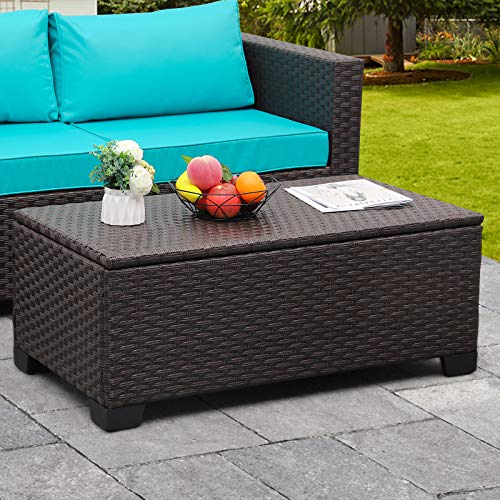
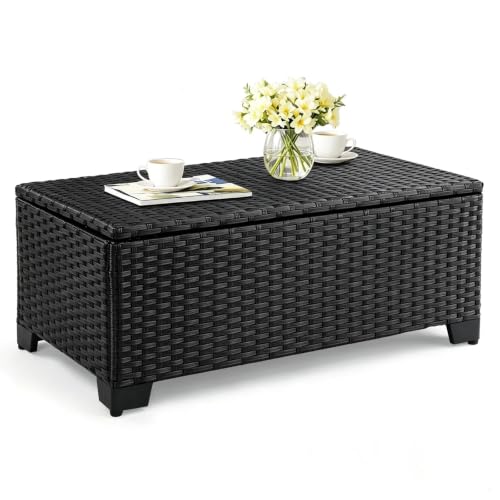
Outdoor Coffee Table with Storage Waterproof: The Complete Guide
Everything you need to know before choosing a weatherproof patio coffee table that hides clutter, protects belongings, and survives the seasons.
Explore Buying FactorsWhy this guide matters: You already know you want a coffee table that stores things and shrugs off rain. What you need now is clarity on materials, sealing methods, compartment designs, and real-world layout planning — so the piece you choose actually performs for years, not just for one summer.
What "Waterproof" Really Means for Patio Coffee Tables
The word waterproof gets used loosely in outdoor furniture listings. A truly waterproof outdoor coffee table with storage needs two things working together: a surface and frame that resist moisture absorption, and a storage compartment that keeps contents dry even during heavy rain or accidental spills.
There is an important distinction between water-resistant and waterproof. Water-resistant finishes slow moisture penetration but can fail under prolonged exposure. Waterproof construction — especially in the storage area — relies on sealed seams, gaskets around lids, drainage channels, and materials that do not swell or corrode. When evaluating a table, look for explicit statements about sealed storage, welded aluminum frames, or marine-grade hardware rather than general "weather-resistant" claims.
For a broader look at table options beyond the storage category, the collection of outdoor coffee tables covers lift-top, nesting, and umbrella-ready designs that pair well with storage-focused pieces in larger seating arrangements.
Key Buying Factors for a Waterproof Storage Coffee Table
Before comparing specific models, align your decision around five practical factors. Each one influences how well the table fits your patio, how long it lasts, and how convenient the storage really is day to day.
| Factor | What to Check | Why It Matters |
|---|---|---|
| Frame material | Powder-coated aluminum, high-density polyethylene (HDPE), sealed teak or acacia | Determines rust resistance, weight, and how the table handles sun and rain |
| Storage sealing | Gaskets, overlapping lids, drainage channels, welded seams | Protects cushions, throws, and electronics from moisture intrusion |
| Compartment design | Lift-top, hinged lid, drawer, or dual-access | Affects accessibility, capacity, and how the table works in tight seating layouts |
| Surface finish | Slatted vs solid top, sealed wood vs composite | Slatted tops drain faster; solid tops need proper slope and sealing |
| Size and height | Match to sofa seat height and seating depth | A table that sits too high or low disrupts the entire lounge zone |
Quick Tip
If your patio is exposed to frequent rain, prioritize a table with a slight top slope and a storage lid that overlaps the opening rather than sitting flush. Overlapping lids shed water away from the seam instead of letting it pool and seep in.
Materials: Which Ones Handle Water Best
Material choice is the single strongest predictor of long-term performance. Here is how the most common options compare for a waterproof outdoor coffee table with storage.
Powder-Coated Aluminum
Aluminum frames are lightweight, rust-proof at the core, and take powder coating well. A quality powder coat resists chipping and UV fading. Look for fully welded joints rather than riveted or stapled connections — welded seams are far less likely to let water into the storage box. Aluminum is the go-to for mid-range and premium storage tables because it balances durability with manageable weight.
High-Density Polyethylene (HDPE)
HDPE is a synthetic material that will not rot, splinter, or absorb water. It performs exceptionally well in wet climates and is often used in commercial-grade outdoor furniture. The trade-off is a more plasticky appearance, though modern textured finishes mimic wood reasonably well. For a table that must stay outside year-round with minimal fuss, HDPE is a strong contender.
Sealed Teak and Acacia
These hardwoods are naturally resistant to moisture, but they still need sealing to keep the storage compartment dry and the top free from water stains. Teak is the more premium option and ages to a silver-gray patina if left untreated; acacia is more accessible and performs well when properly finished. If you choose wood, plan on re-sealing every season or two to maintain the waterproof barrier.
Resin Wicker and Rattan
Wicker-look tables offer a warm, textured aesthetic, but the frame underneath matters most. All-weather resin wicker over an aluminum frame can work well, provided the storage compartment itself is lined or sealed. Avoid natural rattan for uncovered patios — it absorbs moisture and degrades quickly.
If your layout is centered around a fire feature, the outdoor chairs for fire pit guide pairs well with a storage coffee table to create a cohesive gathering zone. For tighter seating groups, a smaller outdoor small table can serve as a secondary surface without crowding the coffee table.
Storage Compartment Designs Compared
The storage mechanism affects how often you actually use the table. Here is a practical breakdown of the most common designs.
- Lift-top lid: The entire tabletop hinges upward. Offers the largest opening and easiest access to bulky items like cushions or throws. Best for tables placed in open layouts where you have room to lift the lid.
- Hinged half-lid: Only part of the top opens, so you can keep drinks on the other half. Convenient for everyday use, but the opening is smaller and may not fit large items.
- Front drawer: Slides out toward the seating area. Great for smaller items like remote controls, lighters, or small blankets, but drawer tracks can collect debris and need periodic cleaning.
- Dual-access (top plus side): Combines a lift-top with a side door or drawer. The most flexible option, often found in premium and top-tier models, and useful when the table sits against a sofa or wall.
Consider what you actually plan to store. Cushions and throws need a deep, wide compartment with a full lift-top. Small accessories work fine in a drawer. If you want a table that doubles as occasional seating or a footrest, look for models with reinforced lids rated for sitting — check the manufacturer's load guidance before assuming this capability.
For tables that need to serve multiple functions, the outdoor coffee table that converts to dining table and the outdoor coffee table that raises to dining table are worth reviewing as alternatives if flexible height matters more than pure storage capacity.
Waterproofing Details That Separate Good from Great
Beyond material, these construction details determine whether a table stays dry inside during real weather.
- Gaskets around the lid: A rubber or silicone gasket compresses when the lid closes, blocking water from running into the seam. Replaceable gaskets are a plus.
- Overlapping lid edges: The lid should overhang the opening slightly so water drips past the seam rather than into it.
- Drainage channels or weep holes: Some compartments include small channels that route any intruding water away from stored items. Check that these stay clear.
- Welded frame joints: Welded aluminum or steel joints are far more watertight than riveted or stapled connections.
- Raised feet or leg glides: Keeping the base off the ground improves airflow and prevents standing water from wicking into the frame.
- Slatted or grooved top: A slatted surface lets rain pass through rather than pooling. If the top is solid, it should have a slight slope and a sealed finish.
Tier Guide
Entry-level storage tables often rely on simple hinged lids with basic water-resistant coatings. Mid-range models typically add gaskets, welded frames, and better drainage. Premium and top-tier tables combine sealed compartments, marine-grade hardware, and replaceable gaskets — these are the ones built for year-round exposure in wet climates.
How to Match the Table to Your Patio Layout
A coffee table anchors the seating zone, so its size and height should be chosen relative to the sofa or lounge chairs it sits between.
- Height: The tabletop should sit roughly level with or slightly below the sofa seat height. A table that is too tall blocks sightlines; one that is too low feels disconnected from the seating.
- Length: Aim for about two-thirds the length of the sofa. This leaves room to walk around the ends without the table dominating the space.
- Clearance: Leave 14 to 18 inches between the table edge and the sofa front so people can pass and reach comfortably.
- Storage access: If the table uses a lift-top, confirm there is enough clearance above and around it to open fully. A drawer design needs clear space in front.
- Traffic flow: On narrow patios, a rectangular table aligned with the sofa keeps the walking path open. Round or oval tables soften tight corners.
If your seating area includes accent pieces around the main coffee table, the outdoor accent tables collection shows how side tables can complement a central storage table without duplicating function. For a coordinated surface set, the outdoor coffee table and side table set is another route to a matched look.
Care and Maintenance for Long-Term Waterproofing
Even the best waterproof table benefits from routine care. These habits keep the storage compartment dry and the finish intact.
- Empty and air out the storage compartment at the start and end of each season.
- Wipe standing water off the top after heavy rain, especially on solid-surface models.
- Inspect lid gaskets for cracks or compression wear and replace them when needed.
- Clean drainage holes and channels so water can escape rather than pool.
- Re-seal wood surfaces according to the manufacturer's schedule, typically once a year in wet climates.
- Cover the table during extended off-season periods, but leave a small gap for ventilation to prevent trapped humidity.
- Avoid storing damp textiles inside for long periods; let them dry fully first.
For general maintenance routines that apply across outdoor furniture, the weatherproofing guide covers sealing schedules and protective covers in more depth. If your table sits near a fire feature, the outdoor coffee table with cushion storage design is worth considering for keeping throws and cushions close at hand.
Common Mistakes to Avoid
- Assuming "weather-resistant" means waterproof. These are different claims. Check specifically for sealed storage details.
- Choosing storage size before measuring. A deep compartment is useless if the table is too large for the patio.
- Ignoring lid clearance. Lift-top tables need vertical space to open; confirm this before placing furniture around them.
- Skipping gasket maintenance. A worn gasket is the most common cause of moisture reaching stored items.
- Placing the table in a low spot. Standing water around the legs accelerates wear; choose a spot with drainage.
Frequently Asked Questions
What makes an outdoor coffee table truly waterproof?
True waterproofing requires a sealed storage compartment with gaskets or drainage channels, plus a frame and top that resist moisture penetration. Materials like powder-coated aluminum, high-density polyethylene, and sealed teak perform best, especially when seams are welded or tightly fitted rather than simply stapled.
Can I leave a waterproof storage coffee table outside all year?
Many premium and commercial-grade models are designed for full outdoor exposure, but extending lifespan still means checking drainage, clearing standing water from the top, and covering the table during extreme weather. Storage compartments should be opened periodically to air out and prevent trapped humidity.
How much weight can a storage coffee table hold on top?
Top load capacity varies by frame construction. Mid-range and premium models with reinforced aluminum or steel frames typically support everyday items like trays, plants, and decor without issue. Check the manufacturer's stated load rating, and avoid sitting or standing on the table unless it is explicitly rated for seating.
Does a waterproof storage compartment need maintenance?
Yes. Clean and dry the interior seasonally, inspect gaskets for wear, and confirm drainage holes stay clear. Lubricate hinges and latches lightly, and avoid storing damp textiles inside for long periods to prevent mildew.