Outdoor Coffee Table That Converts to Dining Table: The Space-Smart Solution
One piece of furniture, two distinct functions. A convertible outdoor coffee table lets you go from a relaxed lounge surface to a full dining table in seconds — perfect for balconies, compact patios, and multi-purpose backyards. This guide explains how these tables work, what to check before buying, and which tier fits your setup.
Researched and written for informed buyersWhy Choose a Convertible Outdoor Coffee Table?
Small outdoor spaces demand furniture that earns its footprint. A coffee table that converts into a dining table solves the classic dilemma: you want a low surface for drinks and conversation, but you also need a proper height for meals. Instead of storing two tables or sacrificing one function, a convertible design delivers both.
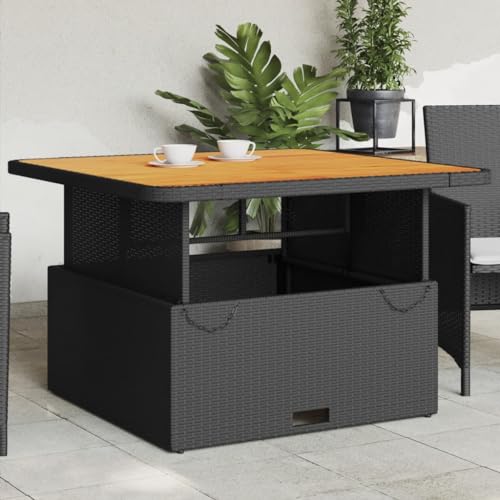
The appeal goes beyond saving space. These tables are especially useful for renters, apartment dwellers, and homeowners with compact decks who entertain regularly. During the day, the table sits low as a lounge surface. When guests arrive, the top lifts or expands to dining height, and the same footprint supports plates, glasses, and serving dishes.
- Multi-purpose efficiency: one piece replaces a coffee table and a dining table.
- Compact storage: no extra furniture to store during colder months.
- Design continuity: a single table keeps the visual language of your patio consistent.
- Flexible entertaining: switch functions as the evening shifts from lounging to dining.
How the Conversion Mechanisms Work
Most convertible outdoor tables rely on one of three mechanisms. Each has trade-offs in stability, footprint, and ease of use. Understanding them helps you match the table to how often you will actually convert it.
1. Lift-Top Mechanism
The tabletop rises vertically on a hinged or scissor frame until it locks at dining height. This is the most popular design for outdoor use because the footprint never changes — ideal for balconies with fixed railings. The trade-off is that the lifting mechanism carries the full weight of the top, so hinge quality matters. Mid-range and premium models typically use gas struts or dual-lock hinges that hold firmly in the raised position.
2. Extension and Butterfly Leaf
Side panels unfold or a leaf slides out to enlarge the surface. These models often stay at coffee height and expand horizontally rather than vertically. They suit patios where horizontal clearance exists but overhead space is limited by a pergola or umbrella. Look for reinforced tracks and a locking latch — a loose leaf is the most common failure point on entry-level units.
3. Telescoping or Dual-Height Frame
The entire frame adjusts between low and high positions, sometimes with a crank or push-button release. These tend to be sturdier because the legs themselves change length, distributing weight across the full frame. They are heavier and better suited to permanent setups than to frequent rearranging.
Materials and Weather Resistance
Outdoor furniture lives with sun, rain, and temperature swings. The frame and top material determine how long the table lasts and how much maintenance it needs. Here is how the common options compare.
- Powder-coated aluminum: rust-resistant, lightweight, and easy to move. The best all-around choice for humid or coastal climates. Check that hardware is stainless steel, not zinc-plated.
- Teak and acacia: naturally weather-tolerant woods with warm grain. Teak is the more durable of the two and ages to a silver-gray patina. Both benefit from periodic sealing to prevent cracking.
- High-density polyethylene (HDPE): the most weather-proof option. It resists moisture, UV fading, and insects with almost no upkeep. The look is more contemporary and less natural than wood.
- Wrought iron and steel: heavy and stable, excellent for windy locations, but requires a rust-proof finish and occasional touch-ups.
- Ceramic and porcelain tile tops: scratch-resistant and easy to wipe clean, but heavier and more fragile during conversion. Best paired with a solid frame.
Whatever the material, confirm that the conversion mechanism itself is rated for outdoor use. Hinges, struts, and tracks should be stainless or coated, and any wood components in the mechanism should be sealed.
Sizing and Height Considerations
The most common mistake buyers make is choosing a table that converts to a height that is comfortable for snacks but too low for a full meal. Standard dining height sits around 28 to 30 inches, while coffee table height is typically 16 to 18 inches. Verify the raised height before committing.
Seating matters too. In dining mode, the table needs enough clearance for chairs to tuck underneath. A table that seats four comfortably in coffee mode may only seat two once plates and serving dishes are on the surface. Measure your chair seat height and compare it to the table's lifted height — the difference should feel natural for eating.
| Use Case | Ideal Lifted Height | Seats Comfortably | Best For |
|---|---|---|---|
| Casual snacks and drinks | 20–24 inches | 2–4 | Balconies, small decks |
| Everyday meals | 28–30 inches | 2–4 | Compact patios, apartments |
| Entertaining and dinner parties | 28–30 inches with extension | 4–6 | Mid-size patios, courtyards |
For patios where dining is the primary function, a dedicated dining setup may still be the better long-term choice. Browse outdoor bistro table and chairs if you want a fixed-height alternative, or explore outdoor coffee tables for pure lounge configurations.
Quality Tiers Compared
Convertible tables vary widely in build quality. Instead of focusing on numbers, use these universal tier descriptors to understand what each class delivers. The right tier depends on how often you convert the table and how exposed it is to weather.
Starter Tier
Basic lift or extension mechanism, lighter frames, and simpler finishes. Suitable for occasional use on covered patios.
Best for: light use, sheltered spaces
Balanced Tier
Reinforced hinges, better weather coatings, and more stable locking positions. A solid choice for regular seasonal use.
Best for: everyday use, most climates
High-End Tier
Gas struts, dual-lock mechanisms, premium materials such as teak or powder-coated aluminum, and refined finishes.
Best for: daily conversion, exposed patios
Flagship Tier
Commercial-grade hardware, precision engineering, and design-forward materials. Built for longevity and heavy entertaining.
Best for: primary dining surface, year-round exposure
A mid-range model typically offers noticeably smoother conversion than an entry-level unit, and the difference is most obvious in the locking mechanism. If the table will double as your main dining surface, moving up one tier often pays off in stability and longevity.
Stability and Safety Checks
A dining table that wobbles is frustrating at best and unsafe at worst. Before buying, evaluate the following:
- Locking mechanism: the table should lock firmly in both positions, with no play in the raised setting.
- Base width: a wider or weighted base compensates for the higher center of gravity in dining mode.
- Hinge quality: stainless-steel hinges with dual locks resist corrosion and hold tension over time.
- Weight distribution: the table should feel planted, not tippy, when you press on one edge.
- Edge safety: rounded or beveled edges reduce the risk of bumps during conversion.
If you plan to place the table on a windy balcony, a heavier frame or a model with a locking base is worth prioritizing. For setups that include a fire feature, look at outdoor bar height dining set with fire pit for a fixed-height comparison that may suit a more permanent layout.
Care and Maintenance
Convertible tables have moving parts, so maintenance should include the mechanism, not just the surface. A simple seasonal routine keeps the table functioning smoothly.
- Clean the tracks and hinges: wipe away grit and debris that can jam the mechanism.
- Lubricate sparingly: a silicone-based lubricant on metal hinges keeps them smooth without attracting dust.
- Inspect fasteners: tighten bolts seasonally, especially after the table has been converted many times.
- Protect the surface: use coasters and trivets to prevent heat marks and scratches.
- Store or cover in winter: a fitted cover prevents moisture from reaching the mechanism during the off-season.
Wood components benefit from an annual sealant application, while aluminum and HDPE frames usually need only a rinse and wipe-down. If you want to complement the table with matching pieces, browse outdoor coffee table and side table set to keep the material palette consistent.
Ready to Choose Your Convertible Table?
Compare features, mechanisms, and tiers in the product section below. Each option is selected to match a specific outdoor setup.
View Recommended ProductsFrequently Asked Questions
How does an outdoor coffee table that converts to a dining table work?
Most models use one of three mechanisms: a lift-top that raises the surface to dining height, a butterfly or gate-leg extension that unfolds side panels, or a telescoping frame that expands the tabletop outward. Lift-top models are the most common for outdoor use because they require minimal clearance and keep the footprint compact.
What height should a convertible outdoor table reach in dining mode?
A standard dining height is around 28 to 30 inches. In coffee table mode, the surface typically sits at 16 to 18 inches. Confirm the lifted height before buying, because some compact models stop short of full dining height and work better as casual snack surfaces.
Are convertible patio tables stable enough for everyday dining?
Mid-range and premium models with reinforced locking hinges and a solid frame are stable for everyday meals. Entry-level models may show wobble at full extension, so check for dual-lock mechanisms and a weighted or wide base if the table will double as your primary dining surface.
What materials hold up best outdoors?
Powder-coated aluminum frames resist rust and stay lighter to move. Teak and acacia offer natural warmth but need periodic sealing. High-density polyethylene (HDPE) is the most weather-tolerant option and requires almost no maintenance. Pair any frame with a UV-resistant top and stainless-steel hardware.
Can I use a convertible table as my only dining surface?
Yes, provided the lifted height reaches true dining height and the mechanism locks firmly. Choose a mid-range or premium tier with a wide base, and consider how often you will convert it. For daily use, a higher tier generally offers smoother operation and better long-term stability.