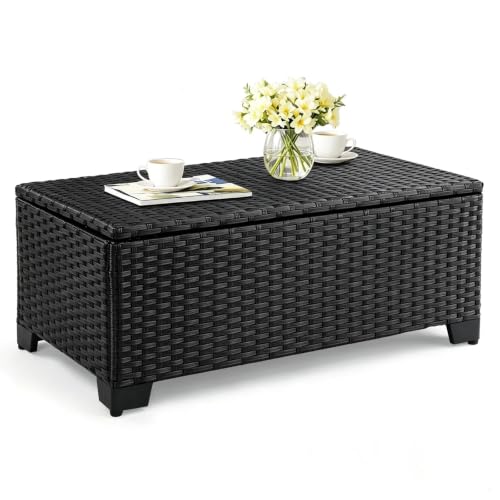
Outdoor Coffee Table with Nesting Ottomans: The Complete Buyer's Guide
Everything you need to know about choosing a patio coffee table that hides compact ottomans underneath — flexible seating, smarter space use, and a cleaner outdoor layout in one piece of furniture.
Explore the GuideWhy this pairing works: An outdoor coffee table with nesting ottomans solves a common patio problem — you want comfortable lounging space during the day and extra seating when guests arrive, but you do not want a crowded deck. The ottomans tuck beneath the tabletop when not in use, then slide out as footrests or backless seats. This guide walks through materials, sizing, layout, and the features that separate a good set from a long-term one, so you can shortlist with confidence.
What Is an Outdoor Coffee Table with Nesting Ottomans?
A nesting ottoman coffee table is a coordinated patio set built around a low tabletop, usually square or rectangular, with two to four matching backless ottomans sized to slide under or beside the table frame. The concept borrows from indoor nesting furniture and adapts it to weather-resistant materials. The result is a single footprint that can expand into a conversation cluster without permanent clutter.
The format suits several outdoor scenarios at once. In a patio coffee table setup, the ottomans act as footrests while you lounge. Pulled out during a gathering, they become casual seating. Some designs even include a tray top so the ottoman can serve as a side surface. Because the ottomans live beneath the table when idle, the visual footprint stays tidy — a meaningful benefit on smaller decks and balconies.
It helps to think of the set as modular. The table anchors the seating zone; the ottomans add capacity on demand. That flexibility is the core appeal, and it is what separates this category from a fixed coffee table and side table set, where each surface has a single role.
Materials That Hold Up Outdoors
The frame and cushion build determine how well a nesting ottoman coffee table survives sun, rain, and seasonal storage. Below are the material families you will encounter, along with what each does well.
- Powder-coated aluminum: Lightweight, rust-resistant, and easy to move when rearranging. Mid-range to premium sets commonly use it because it holds a clean finish through humid summers.
- High-grade steel: Heavier and very stable, often found in premium and commercial-grade frames. Check for a rust-proof finish at welds and joints, since steel is only as good as its coating.
- Solid teak and hardwoods: A long-term investment that develops a natural patina. Teak resists moisture well, though it benefits from periodic sealing to slow the silvering process.
- All-weather wicker and resin: Woven looks with a synthetic core. Entry-level and mid-range versions vary widely in weave tightness, so inspect the frame underneath the weave.
- Quick-dry cushions: Open-cell foam with mesh backing drains water fast and resists mildew. This matters most on ottomans, which sit low and near splashes.
Whatever the frame, confirm that the ottomans glide freely. Nylon or rubber glides protect both the ottoman base and the patio surface, and they are the first parts to wear. On a table with cushion storage, also check that the storage compartment is ventilated — trapped moisture is the most common cause of early cushion failure.
Quality Tiers: What Changes as You Move Up
Because outdoor furniture spans a wide range of construction quality, it helps to classify options by tier rather than by any single number. The three tiers below describe what you generally gain as you move up. Use them as a shortlisting tool, not as a judgment of any specific brand.
Essential Tier
Basic aluminum or resin frames with simpler welds and lighter cushions. Best for sheltered patios and occasional use.
- Simpler nesting glide systems
- Standard foam cushions
- Fewer finish options
Balanced Tier
Better frame tolerances, smoother glides, and quick-dry cushions. A solid choice for year-round outdoor living.
- Smoother nesting action
- Improved weather-resistant coating
- More consistent stitching and seams
High-End Tier
Heavy-duty frames, precision joins, and premium materials designed for daily use and long service life.
- Reinforced nesting hardware
- High-grade steel or solid teak
- Denser, longer-lasting cushions
The practical difference shows up in daily use. A mid-range model usually offers noticeably smoother nesting action than an entry-level one, and a high-end tier set tends to hold its alignment after years of sliding in and out. If the table will live on an exposed deck, prioritizing the frame tier is the most efficient in the long run.
Sizing and Layout: Getting the Footprint Right
The nesting format saves space only if you plan for the open configuration too. Start by measuring the table's full footprint with every ottoman pulled out, not just the closed arrangement. Then leave a comfortable walkway — roughly 14 to 18 inches — between the table edge and surrounding seating or walls.
For seating geometry, think in zones:
- Compact zone (balcony or small patio): A two-ottoman table placed in front of a sofa or two lounge chairs. Choose a square top to keep the cluster balanced.
- Conversation zone (mid-size deck): A three- or four-ottoman set around a rectangular table, with chairs on the long sides and ottomans on the short sides when pulled out.
- Entertaining zone (large patio): The table anchors a lounge area, while the ottomans act as overflow seating. Pair with bar-height pieces elsewhere so the zones do not compete. If you are planning a full layout, our guide to outdoor accent tables covers how secondary surfaces fit around the main table.
Height matters as well. The tabletop should sit close to the seat height of adjacent chairs, typically within a few inches, so the ottomans feel like a natural extension of the seating rather than an obstacle. If you are building a mixed-height layout, keep the coffee table zone separate from bar-height furniture so the eye and the walkway both stay clear.
Feature Comparison at a Glance
The table below summarizes how common configurations differ by purpose. It uses tier descriptors rather than any numeric measure, so it stays useful regardless of market shifts.
| Configuration | Typical Tier | Best For | Key Consideration |
|---|---|---|---|
| Two-ottoman square table | Entry-level to mid-range | Balconies and small patios | Confirm ottoman height clears the table skirt |
| Four-ottoman rectangular table | Mid-range to premium | Family decks and frequent entertaining | Check glide smoothness on all four units |
| Table with cushion storage | Mid-range to high-end tier | Exposed patios with unpredictable weather | Ventilation in the storage compartment |
| Tray-top ottoman set | Premium | Multi-use lounging and serving | Stability of the tray when the ottoman is used as a seat |
| Wicker weave over aluminum frame | Entry-level to balanced tier | Coastal and cottage-style patios | Weave tightness and frame access for cleaning |
Everyday Use: Where the Nesting Format Shines
The nesting layout earns its place through small conveniences. On a typical afternoon, the ottomans slide out as footrests while you read or talk. During a gathering, they become seats without anyone dragging chairs from another zone. Afterward, they return under the table and the patio resets to a clean line.
That reset behavior matters more than it sounds. Furniture that stays visually tidy gets used more often, and a tidy patio is easier to sweep, cover, and store. The same logic applies to a table with built-in storage: keeping cushions and small accessories contained reduces the number of items left out in the weather.
Consider how the set interacts with the rest of your outdoor furniture. A low coffee table zone naturally pairs with a sofa or a pair of Adirondack chairs, while a bar set handles the dining side of the patio. Keeping these zones distinct improves flow and makes each piece easier to place. If you are furnishing a small footprint, the nesting table can even replace both a coffee table and a pair of occasional chairs, which simplifies the layout considerably.
Buyer's Checklist Before You Commit
- Measure open and closed footprints and confirm walkway clearance on all sides.
- Test the glide action if you can — smooth, quiet movement signals better hardware.
- Check the frame under the cushions for reinforced corners and rust-proof coating at joins.
- Confirm cushion drainage with quick-dry foam and mesh backing on low ottomans.
- Review the storage compartment for ventilation if the table includes one.
- Plan seasonal storage — a fitted cover and a dry spot for cushions extend service life.
- Match seat heights between the tabletop and surrounding chairs for a cohesive zone.
- Verify assembly requirements and whether hardware is included for the nesting glides.
Care and Seasonal Maintenance
Maintenance for a nesting ottoman coffee table is straightforward if you stay ahead of moisture. Wipe frames with mild soap and water, dry thoroughly, and inspect the glides twice a year. Cushions should be stored in a dry box or brought indoors during off-season months. If the frame has a rust-proof finish, a light rinse after dusty periods keeps the coating intact.
Pay attention to the interface between the ottomans and the table. Dirt and grit trapped in the glide tracks accelerate wear, so a quick vacuum or brush-out every few weeks keeps the nesting action smooth. During winter storage, remove the cushions and cover the frame; nesting sets are compact, which makes them easier to store than a full lounge group.
For a broader view of seasonal care routines, our weatherproofing guide covers coatings, covers, and inspection schedules that apply to most outdoor furniture categories.
Frequently Asked Questions
What is an outdoor coffee table with nesting ottomans?
It is a patio coffee table designed with matching ottomans that tuck underneath or beside the tabletop, saving space while adding flexible seating and footrest options.
Which materials work best for a nesting ottoman coffee table outdoors?
Powder-coated aluminum, high-grade steel, solid teak, and all-weather wicker paired with quick-dry cushions offer the best balance of durability and weather resistance for outdoor use.
How do I measure my patio for a coffee table with nesting ottomans?
Leave roughly 14 to 18 inches of walkway between the table edge and surrounding seating. Measure the full footprint with all ottomans pulled out, not just the closed configuration.
Can nesting ottomans double as extra seating during gatherings?
Yes. Most nesting ottomans are designed as backless seats that support adult weight, making them useful overflow seating for guests while returning to a compact footprint afterward.
How do I maintain a nesting ottoman coffee table through the seasons?
Clean frames with mild soap and water, store cushions in a dry box, and use a fitted cover during off-season months. Inspect nesting glides and hardware twice a year for smooth operation.
Final Buying Guidance
Choose the nesting format when you want one piece of furniture to serve two roles: a central coffee surface and on-demand seating. Prioritize the frame tier and glide quality over cosmetic details, because those are what you will feel every day. If the patio is exposed, lean toward a mid-range or high-end tier set with quick-dry cushions and a ventilated storage option. If the space is sheltered and the set will be used occasionally, an entry-level or essential tier configuration can still deliver good value for its tier.
Once you have shortlisted, compare the open and closed footprints against your tape marks, confirm the seat height against your existing chairs, and check the return policy before committing. A well-chosen set should feel like part of the patio, not an addition to it.