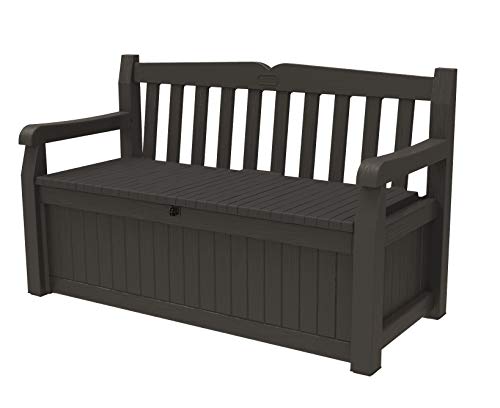
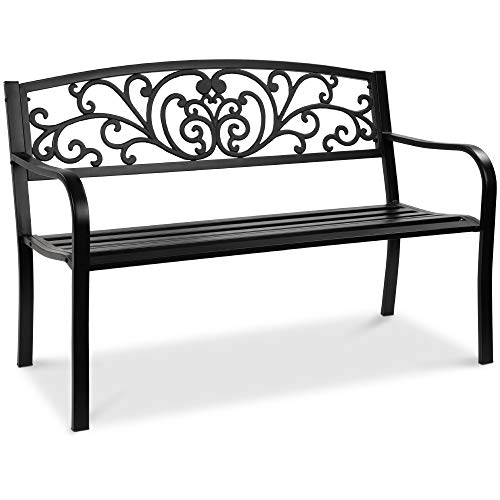
Outdoor Cushioned Bench: The Complete Buying Guide
Everything you need to know before choosing a cushioned bench for your patio, deck, or garden — from frame materials and cushion foam to sizing and weather protection.
Explore Top PicksWhy a cushioned bench deserves your attention: An outdoor cushioned bench bridges the gap between decorative garden seating and everyday comfort. It offers the visual appeal of a classic bench with the relaxation of a sofa, making it one of the most versatile pieces you can add to an outdoor space. This guide walks you through the decisions that matter most so you can buy with confidence.
Why Choose an Outdoor Cushioned Bench?
A cushioned bench transforms a hard, utilitarian seat into a welcoming spot for morning coffee, afternoon reading, or evening conversation. Unlike bare wood or metal benches, a cushioned version distributes weight more evenly and reduces pressure on the back and hips during longer sitting sessions.
Beyond comfort, cushioned benches soften the visual weight of a patio. They introduce fabric texture and color that tie together other elements such as outdoor cushions, rugs, and throw pillows. For homeowners building a cohesive outdoor room, a bench with cushions often becomes the anchor piece that makes the rest of the layout feel intentional.
They also work across a wide range of spaces. A compact bench fits neatly on a balcony, while a longer bench can define the perimeter of a larger deck. If you are still mapping out your overall seating plan, our guide to outdoor deck furniture can help you see where a bench fits alongside loungers and dining pieces.
Key Features to Evaluate Before You Buy
Frame Material
Wood, powder-coated steel, aluminum, and all-weather resin each behave differently outdoors. Solid wood offers warmth but needs periodic sealing; aluminum resists rust and stays light enough to move; steel provides heavy-duty stability for larger benches.
Cushion Foam Density
High-density foam holds its shape season after season, while low-density foam compresses quickly. Mid-range and premium benches typically use denser foam with a wrapped fiber layer for a softer initial feel.
Fabric Weather Resistance
Look for solution-dyed acrylic or polyester blends with UV resistance and water-repellent finishes. Removable, zip-off covers make cleaning far easier and extend the usable life of the cushion.
Bench Dimensions
Two-seat benches generally run shorter, while three-seat versions suit larger patios. Always measure your space and account for the cushion overhang, which can add depth to the footprint.
Weight Capacity
Reinforced frames with center support legs handle higher loads and resist sagging over time. Heavy-duty construction is especially important for benches shared by multiple users.
Cushion Attachment
Tie-downs, hook-and-loop straps, or fitted seats keep cushions from sliding or blowing away in wind. This small detail has a large impact on day-to-day usability.
Comparing Bench Tiers at a Glance
Bench options on the market fall into recognizable quality tiers. The table below summarizes what you can generally expect from each tier so you can match the bench to your intended use and long-term plans.
| Tier | Frame & Build | Cushion Quality | Best For |
|---|---|---|---|
| Entry-Level | Lightweight resin or thin steel; basic welds | Standard foam, basic polyester cover | Occasional use, covered porches, seasonal setups |
| Mid-Range | Powder-coated aluminum or sealed hardwood | Denser foam with removable, water-resistant covers | Everyday family seating, year-round patios |
| Premium | Heavy-gauge steel or solid teak with reinforced joints | High-density foam, solution-dyed acrylic fabric | Frequent use, exposed locations, long-term placement |
| Luxury | Commercial-grade construction, precision joinery | Multi-layer foam systems, designer performance fabric | Statement seating, hospitality-grade comfort |
As a rule of thumb, moving from entry-level to mid-range usually brings the biggest jump in cushion longevity and frame finish quality. Stepping up further to premium or luxury tiers mainly improves fabric performance and structural refinement.
Frame and Cushion Materials Explained
Wood frames such as acacia, teak, and eucalyptus bring natural character to a patio. Teak is naturally oil-rich and resists moisture well, while acacia and eucalyptus benefit from an annual sealant application. Wood benches pair beautifully with neutral-toned cushions and work well alongside other natural-texture pieces like an outdoor couch in a coordinated seating group.
Metal frames — particularly powder-coated aluminum and steel — are the workhorses of outdoor seating. Aluminum is lightweight and rust-resistant, making it easy to reposition. Steel is heavier and more rigid, which suits larger benches that need to stay firmly planted. Look for stainless hardware and sealed joints to prevent corrosion at connection points.
Resin and all-weather plastic frames are the practical choice for uncovered areas. They tolerate rain and sun without maintenance, though they generally carry a more utilitarian look. Many entry-level and mid-range benches use resin slats beneath a fitted cushion.
On the cushion side, the combination of foam density and fabric quality determines how the bench feels in year two and year five. Solution-dyed acrylic holds color under UV exposure far better than standard polyester. If you plan to leave cushions out during rainy seasons, prioritize quick-dry foam and covers with water-repellent backing. For a broader overview of cushion construction, see our dedicated outdoor cushion guide.
Sizing and Placement Considerations
Before ordering, measure the intended location in three dimensions: width, depth, and the height of any railing or wall behind the bench. A bench placed against a railing should leave clearance so cushions do not press against the barrier. On open decks, allow at least two feet of walking space in front of the bench.
Two-seat benches work well in corners and beside doors, while three-seat benches suit long walls or the foot of a larger seating arrangement. If your patio is compact, consider pairing a bench with a conversation set for small spaces to maximize usable seating without crowding the area.
Think about sun exposure too. A bench in full afternoon sun will benefit from a high-UV-resistance fabric, while a shaded spot allows more flexibility in cushion choice. If you want to extend the bench into a complete lounge zone, a cushioned loveseat can sit alongside it to create a matched seating pair.
Care and Maintenance Tips
- Brush off loose debris weekly to prevent dirt from working into fabric fibers.
- Spot-clean cushion covers with mild soap and water; avoid harsh bleach-based cleaners on solution-dyed fabrics.
- Remove and store cushions during heavy rain or off-season to extend their lifespan.
- Reapply sealant to wood frames annually, especially before winter.
- Check and tighten frame hardware at the start of each season.
- Use a breathable cover rather than airtight plastic to prevent trapped moisture and mildew.
- Rotate cushions periodically so foam wears evenly across the seat.
For a deeper seasonal routine, our weatherproofing guide covers fabric treatments, frame protection, and storage best practices in detail. Keeping spare cushions for chairs in a set of 2 on hand can also help you refresh the look of a bench without replacing the whole piece.
Frequently Asked Questions
Can I leave a cushioned bench outdoors all year?
It depends on the frame and fabric. Powder-coated aluminum frames with solution-dyed acrylic cushions can generally stay out year-round in mild climates. In regions with harsh winters, bring cushions indoors and cover the frame.
How do I keep bench cushions from blowing away?
Choose cushions with tie-downs or hook-and-loop straps. Fitted seat cushions with a slight taper also resist wind better than loose, flat pads. On very exposed decks, remove cushions when strong winds are forecast.
What is the best frame material for a humid climate?
Aluminum and all-weather resin are the most forgiving in humid conditions because they do not rust or absorb moisture. Wood requires more frequent sealing, and steel needs a well-maintained powder coating to prevent corrosion.
How thick should a bench cushion be?
Most comfortable benches use cushions in the range of a few inches thick. Thicker cushions add softness but raise the seat height, so check that the combined bench-plus-cushion height feels right for you when seated.
Can I replace the cushions on an existing bench?
Yes. Many benches accept standard replacement cushions, and custom-sized options are widely available. Measure the seat width and depth carefully, and confirm whether the cushion needs ties or a fitted profile.
Ready to Find Your Perfect Bench?
Compare our curated selection of outdoor cushioned benches below and check availability on your preferred retailer. Each option is chosen for comfort, durability, and weather performance.
View Recommended Benches