Outdoor Fire Table Natural Gas: The Complete Guide to Choosing Your Backyard Centerpiece
A natural gas fire table brings warmth, ambiance, and architectural elegance to any patio. Learn how to evaluate burners, materials, safety requirements, and design styles before you invest in this permanent outdoor upgrade.
Explore Buying FactorsWhy research before you buy: An outdoor fire table natural gas model is a permanent fixture connected to your home's gas line. Unlike portable propane units, the installation is fixed, so the decisions you make about size, burner type, and material cannot easily be reversed. This guide walks you through the research phase with clarity, so you can choose with confidence and enjoy your fire table for years.
What Is an Outdoor Fire Table Natural Gas?
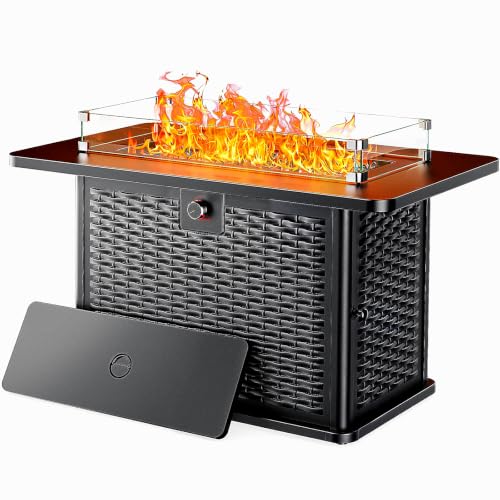
An outdoor fire table natural gas unit is a low-profile furniture piece that houses a linear or round burner connected directly to your home's natural gas supply. It functions as both a coffee table and a heat source, creating a focal point for conversation areas. Because natural gas arrives through a dedicated line, there are no tanks to refill, no fuel storage, and no interruptions to the flame during gatherings.
These tables are typically constructed from durable materials such as powder-coated steel, cast aluminum, concrete composite, or stainless steel. The burner is concealed beneath decorative fire glass, lava rock, or ceramic logs, giving you control over the aesthetic while maintaining efficient heat output. For homeowners planning a permanent outdoor living space, this configuration is often the most seamless choice among all fire pit options.
Why Choose Natural Gas Over Propane?
Continuous Fuel Supply
No tanks to monitor or swap. The flame is available whenever you want it, making spontaneous evening gatherings effortless.
Cleaner Burn
Natural gas produces fewer particulates than many alternative fuels, contributing to a cleaner and more comfortable patio environment.
Permanent Installation
Once connected, the table becomes a fixed architectural feature, eliminating the need to move or store heavy tanks.
Consistent Performance
Gas pressure from the home line delivers steady flame height and heat output, regardless of outdoor temperature or tank levels.
If you are still comparing fuel types, our overview of outdoor fire table propane options explains scenarios where portable fuel may suit temporary or rental spaces better.
Key Buying Factors for an Outdoor Fire Table Natural Gas
Use the following framework to evaluate models systematically. Each factor influences comfort, safety, and long-term satisfaction.
1. Burner Type and Heat Output
Linear burners distribute flame across a wide surface and are ideal for rectangular tables used as centerpieces. Round burners concentrate heat in a single zone and suit compact conversation areas. Pan burners with fire glass produce a fuller, more decorative flame. Consider the manufacturer's heat rating and the table's clearance requirements to ensure adequate warmth without overwhelming a small patio. For a broader perspective on heat features, see our collection of outdoor fire pit table designs.
2. Material and Finish
The table body must withstand moisture, UV exposure, and temperature swings. Powder-coated aluminum offers a strong balance of corrosion resistance and weight. Stainless steel is a premium choice for coastal environments. Concrete composite provides a substantial, architectural look but is heavier and may require sealing. Match the material to your climate and the table's exposure to the elements.
3. Size and Scale
Measure your seating area before selecting a table. A rectangular table generally ranges from compact linear designs to long formats that anchor a full sofa set. The table should leave enough walking clearance around it while serving as a comfortable surface for drinks and decor. Our guide to conversation sets with a fire pit can help you visualize proportional layouts.
4. Ignition and Controls
Push-button ignition with a flame-sensing safety valve is standard on reputable models. Some high-end tier tables include adjustable flame height and remote control. Look for controls positioned away from the flame zone for safe operation. A built-in thermocouple that cuts gas flow if the flame extinguishes is a critical safety feature.
5. Certification and Code Compliance
Verify that the table carries recognized safety certification for natural gas use in your region. Local codes may specify clearance distances from structures, ventilation requirements, and permitted installation methods. Always confirm compliance before purchase.
Comparing Fire Table Tiers
The table below organizes models by market positioning rather than numerical figures, helping you match features to your priorities.
| Tier | Best For | Typical Characteristics | Considerations |
|---|---|---|---|
| Entry-Level | First-time buyers, compact patios | Simpler burner design, basic powder-coated steel or aluminum body, manual ignition | Solid choice for the tier; verify certification and warranty terms |
| Mid-Range | Homeowners seeking a balanced feature set | Improved burner efficiency, decorative media included, durable finish options | Competitive within its class; often the best long-term investment for everyday use |
| Premium | Design-focused patios and frequent entertaining | Refined construction, stainless or composite materials, flame-height control | Feature-rich for its class; check clearance and ventilation needs |
| Luxury / Commercial-Grade | Hospitality spaces, large decks, permanent installations | Heavy-duty components, extended warranties, professional installation recommended | Professional-grade durability; confirm local code compliance |
Installation and Placement Considerations
Planning the location is as important as choosing the table itself. Natural gas fire tables require a gas stub or line extension, which affects both installation complexity and flexibility in future patio rearrangements. Position the table so that the flame is shielded from strong crosswinds, and ensure the surrounding area meets the manufacturer's clearance specifications.
- Confirm the gas line location and pressure with a licensed plumber or gas fitter.
- Verify local permit requirements and setback distances from structures.
- Choose a level, stable surface that can support the table's weight.
- Maintain clear ventilation around the burner and controls.
- Check that the table's certification matches natural gas use in your region.
- Arrange for a professional leak test before the first use.
If your patio also includes dining or lounging zones, consider how the fire table coordinates with nearby pieces. Our page on fire pit dining table and chairs explores combined configurations for entertaining.
Design Ideas for a Natural Gas Fire Table
Because the fuel line is fixed, treat the fire table as the anchor of your layout. A rectangular table pairs naturally with a sofa and two lounge chairs, forming a U-shaped conversation zone. Round or square formats suit symmetrical arrangements and smaller footprints. Surround the table with durable textiles in warm neutral tones to complement the flame, and use ambient lighting to extend usability into the evening.
Material coordination matters. A powder-coated aluminum table works well alongside metal-framed seating, while a concrete composite top pairs elegantly with wood or wicker pieces. Keep decorative media consistent—fire glass for a modern look, lava rock for a natural feel, or ceramic logs for a traditional atmosphere. For additional layout inspiration, explore our outdoor furniture with fire pit table ideas.
Care and Maintenance Basics
Regular maintenance preserves both appearance and safety. Cover the table when not in use to protect the burner and finish from debris. Clean the burner ports periodically according to the manufacturer's instructions, and inspect the gas connection for wear. Replace decorative media when it becomes discolored or degraded. During extended periods of non-use, follow the manufacturer's guidance for seasonal shutdown.
For broader outdoor furniture upkeep strategies, our outdoor care section covers cleaning routines and protective measures that apply across your entire patio.
Frequently Asked Questions
Is a natural gas fire table better than a propane model?
Natural gas fire tables offer a continuous fuel supply without tank refills, making them ideal for permanent installations. Propane models are portable but require tank management. For dedicated patio spaces, natural gas is often the more convenient long-term choice.
Can I install a natural gas fire table myself?
Natural gas connections should always be handled by a licensed professional. While assembly of the table itself may be DIY-friendly, the gas line hookup, leak testing, and ventilation checks require certified expertise for safety and code compliance.
How much heat does an outdoor fire table natural gas produce?
Heat output varies by burner design and model tier. Entry-level units typically provide a modest warming zone, while premium and commercial-grade models deliver broader heat coverage. Always check the manufacturer's BTU rating and clearance requirements for your space.
Are natural gas fire tables safe on a covered patio?
They can be used on covered patios only if the area meets ventilation requirements specified by local codes and the manufacturer. Proper airflow is essential. Never operate a fire table in an enclosed or poorly ventilated space.
Can I use a natural gas fire table for cooking?
Most fire tables are designed for ambiance and warmth, not cooking. Unless a model explicitly includes a cooking-grade surface or grate, do not use it for food preparation. Dedicated outdoor cooking appliances are the appropriate choice for grilling.
Ready to Choose Your Fire Table?
An outdoor fire table natural gas model is a long-term investment in comfort and design. By understanding burner types, materials, tier differences, and installation requirements, you can select a piece that fits your patio's proportions and your lifestyle. Start by measuring your space, confirming your gas line setup with a professional, and shortlisting models that match your preferred tier. When you are ready to compare specific products, our curated recommendations below can guide your next step.