Outdoor Fire Table Propane: The Complete Buying Guide
Everything you need to know about propane fire tables — from fuel efficiency and burner design to safety features and material durability — so you can choose the right centerpiece for your backyard.
Why a propane fire table deserves your attention: Unlike wood-burning fire pits, a propane fire table delivers instant ambiance without smoke, ash, or spark management. It starts with a push of a button, produces consistent flames, and shuts off cleanly. For homeowners who want warmth and atmosphere on demand — without the cleanup ritual — a propane fire table is a practical and stylish addition to any outdoor living space.
What Is an Outdoor Fire Table Propane?
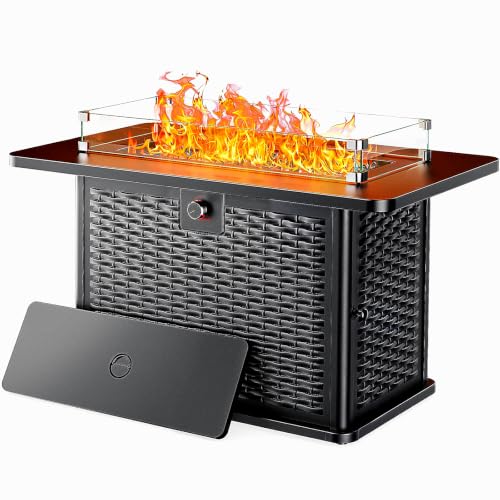
An outdoor fire table propane is a low-profile patio table with a built-in gas burner running along the center. The unit connects to a standard propane tank — often stored inside the table base or concealed in a side compartment — and produces a controlled flame that provides both visual ambiance and radiant heat. These tables function as dual-purpose furniture: a surface for drinks and decor during the day, and a gathering point for warmth and conversation after sunset.
Most models are designed to sit alongside lounge seating or dining chairs, making them a natural fit for conversation areas. If you are also considering a dining arrangement, our guide to an outdoor dining table with propane fire pit covers how to combine mealtime functionality with fire-based warmth.
How Does a Propane Fire Table Work?
The system is straightforward and user-friendly:
- Fuel source: A standard 20-pound propane tank connects via a regulator hose to the burner assembly.
- Ignition: Most units use a push-button spark igniter or a battery-powered electronic ignition to light the burner.
- Burner: Stainless steel or high-grade metal burner rings disperse the flame evenly beneath a bed of lava rocks or fire glass.
- Heat output: Measured in British Thermal Units (BTUs), the typical range falls between 30,000 and 50,000 BTUs — enough to warm a seating area of moderate size.
- Flame control: A knob adjusts flame height and heat intensity, giving you fine control over the output.
The table housing is typically constructed from steel, aluminum, magnesium oxide, or concrete composite. A well-designed unit includes a lid that converts the fire area into a flat tabletop when not in use, protecting the burner and expanding the functional surface.
Key Benefits of Choosing Propane Over Other Fuel Types
1. Instant Ignition, No Fuss
No kindling, no newspaper, no lighter fluid. Propane fire tables light instantly and produce a consistent flame from the first use. This makes them ideal for spontaneous gatherings where you want ambiance without a preparation ritual.
2. No Smoke or Ash
Because propane burns cleanly, there is virtually no smoke, soot, or ash to deal with. This is a significant advantage for guests with respiratory sensitivities and for anyone who dislikes the lingering smell of wood smoke on clothing and hair.
3. Clean Shutdown and Easy Maintenance
At the end of the evening, you simply turn the knob to the off position. There is no waiting for embers to die down, no ash to scoop out the next morning, and no risk of stray sparks. The burner assembly requires only occasional inspection and cleaning of the lava rocks or fire glass.
4. Consistent Heat Output
Wood fires fluctuate in intensity depending on fuel quality and moisture content. A propane burner delivers steady heat that you can dial up or down with precision, which is especially useful for extending patio season into cooler evenings.
5. Regulatory and Rental-Friendly
Many apartment complexes and rental properties prohibit open wood-burning fires due to fire code restrictions. Propane fire tables are often classified as enclosed gas appliances and may be permitted where wood fires are not — always confirm local regulations before purchasing.
Types of Propane Fire Tables
The market offers several configurations. Understanding the distinctions will help you match the table to your space and lifestyle.
Compact Steel Fire Tables
These starter-tier models prioritize portability and straightforward operation. They typically feature a powder-coated steel frame, a basic single-ring burner, and a lid that converts to a flat surface. Best suited for renters or small balconies where a lightweight unit can be moved easily.
Aluminum and Composite Resin Tables
Mid-tier propane fire tables step up in materials and finish quality. Aluminum frames resist rust, and composite resin tops mimic stone without the weight. Many include internal storage compartments for the propane tank, hidden controls, and decorative fire glass. These balanced-tier units are well-specified for the category and suitable for year-round outdoor use.
Cast Concrete and Magnesium Oxide Tables
Premium-tier models use heavy, dense materials that hold heat and anchor the furniture arrangement. Burner systems are often upgraded to dual-ring or linear configurations for a more dramatic flame presentation. Integrated tank enclosures and tool-free access panels are common at this level. These top-tier tables are designed for permanent installations.
Designer Fire Tables with Smart Ignition
At the luxury tier, propane fire tables incorporate electronic ignition systems, remote flame control, wind guards, and custom finishes. Some flagship-tier models support convertible fuel options (propane or natural gas) and include glass wind screens and protective covers as standard. These professional-grade pieces are built for discerning outdoor entertaining spaces.
Key Features to Evaluate Before You Choose
Heat Output and Burner Efficiency
Heat output is measured in BTUs. A range of 30,000 to 40,000 BTUs is sufficient for a compact seating arrangement, while 45,000 to 50,000 BTUs provides more warmth over a wider radius. Higher BTU output generally corresponds to faster propane consumption, so consider how often you plan to use the table and how long each session lasts.
Ignition System
Push-button spark igniters are standard on entry-level and mid-range units. Electronic ignition — often battery-powered — is more reliable in damp conditions and is a hallmark of premium and luxury tiers. If you plan to use the table frequently in humid climates, electronic ignition is a worthwhile upgrade.
Construction Material and Finish
The table surface and frame material determine both durability and maintenance requirements. Powder-coated steel resists rust and scratches but may eventually show wear if the coating chips. Aluminum is lighter and highly rust-resistant. Cast concrete and magnesium oxide are exceptionally durable but heavy — these require a permanent placement decision. For general guidance on weather-resistant outdoor furniture, see our overview of outdoor furniture that can withstand weather.
Tank Storage and Concealment
Some propane fire tables include an internal compartment that houses the propane tank, keeping it out of sight. Others require an external tank connection, which means the tank sits beside the table or is hidden behind a decorative cover. Models with built-in tank storage offer a cleaner appearance but tend to be heavier and more cumbersome to move. If concealment matters to you, look for a design with a hinged door or pull-out drawer that allows easy tank access.
Flame Media
Most propane fire tables ship with lava rocks or fire glass as the flame bed. Lava rocks provide a more natural, rustic appearance and tend to be more forgiving in windy conditions. Fire glass offers a polished, contemporary look and reflects light more dramatically. Some premium-tier units allow you to swap media types to match your design preference.
Safety Certifications
Look for units certified by recognized testing organizations. A thermocouple or flame-sensing safety shutoff — which cuts the gas supply if the flame extinguishes — is a critical feature, especially in breezy locations. Propane fire tables should always be operated on a level, non-combustible surface and kept clear of overhead structures.
Propane vs. Natural Gas vs. Wood: A Quick Comparison
| Feature | Propane Fire Table | Natural Gas Fire Table | Wood-Burning Fire Pit |
|---|---|---|---|
| Installation | Portable; no gas line required | Requires permanent gas line connection | No hookup; needs open space |
| Ignition | Instant push-button or electronic | Instant with built-in igniter | Manual; requires kindling and time |
| Cleanup | Minimal; no ash | Minimal; no ash | Ash removal and disposal required |
| Smoke / Odor | Very low | Very low | Significant smoke and wood odor |
| Portability | High (tank permits relocation) | None (fixed connection) | Low to moderate |
| Best For | Renters, flexible layouts, patios without gas lines | Permanent outdoor kitchens and built-in layouts | Rustic settings and traditional ambiance |
For a broader look at built-in alternatives, our guide to the outdoor fire table natural gas option explains when a permanent fuel connection makes sense. If you are weighing the choice between a standalone fire table and a full fire pit arrangement, the outdoor fire pit table comparison may also be useful.
Where to Place a Propane Fire Table
Placement affects both safety and the quality of the experience. Consider these guidelines:
- Maintain clearance: Keep the table at least a few feet away from walls, railings, and combustible materials. Check the manufacturer's minimum clearance specifications.
- Avoid overhead cover: Do not operate under a low pergola, awning, or umbrella unless the structure is rated for the heat output and height clearance is sufficient.
- Choose a level surface: A stable, non-combustible surface such as concrete, stone, or composite decking is essential. Avoid placing the table directly on grass or loose gravel.
- Consider wind exposure: In breezy locations, a wind guard or glass shield helps maintain a steady flame and reduces fuel waste.
- Plan the seating radius: A fire table typically serves a seating group of four to six people. Arrange chairs so that everyone has a comfortable view and access to the warmth.
If your layout includes a combined seating and dining arrangement, the outdoor dining table with gas fire pit guide explores how to integrate the fire element into a larger furniture plan.
Safety Essentials for Propane Fire Tables
Propane safety is non-negotiable. Always store propane tanks upright in a well-ventilated area, away from heat sources. Before each use, check the hose and regulator for cracks or leaks — a soapy water solution applied to connections will bubble if gas is escaping. Never use a fire table indoors, in a garage, or under an enclosed structure. Keep children and pets at a safe distance, and never leave a lit fire table unattended. When not in use, cover the table to protect the burner from moisture and debris.
For additional protection recommendations, see our guide to outdoor furniture covering to keep your table in optimal condition between uses.
Maintenance and Seasonal Care
Propane fire tables are low-maintenance, but a few routine steps will extend their lifespan and keep them operating safely:
- Inspect the burner: Before each season, check the burner ports for spider webs, debris, or corrosion. A soft brush or compressed air clears blockages.
- Clean the flame media: Lava rocks and fire glass accumulate dust and soot. Rinse them periodically and allow them to dry fully before reinstalling.
- Protect the tabletop: Use the included lid or a fitted cover when the table is not in use. This prevents water from pooling in the burner area and keeps the surface clean.
- Check the hose and regulator: Look for signs of wear or cracking. Replace any compromised components before the next use.
- Store the tank properly: If you disconnect the propane tank for an extended period, store it upright in a ventilated area away from the house and direct sunlight.
If you are considering a fire table with integrated tank storage, our article on the outdoor fire table with propane tank inside covers the specific maintenance considerations for concealed-tank designs. For a broader overview of fire pit and fire table options, the outdoor fire pits category page is a helpful starting point.
Frequently Asked Questions
Ready to Choose Your Propane Fire Table?
Explore our curated selection of top-rated propane fire tables and find the right fit for your patio layout.
View Top Recommendations