Outdoor Fire Pit Table Guide for Warm Patio Evenings
How to choose a fire pit table that brings heat and ambiance to your patio while staying safe and practical.
START READINGWhy a fire pit table earns its place: A fire pit table combines two outdoor pieces into one: a functional tabletop for drinks and snacks, and a warm fire feature that extends the usable hours of a patio. Unlike a traditional fire bowl, a fire pit table is designed to be used as furniture — you sit around it, place things on it, and stay outside long after the sun goes down. The catch is that this category has more decisions than a simple fire pit, from fuel type to tabletop material. This guide breaks those down.
What Is an Outdoor Fire Pit Table?
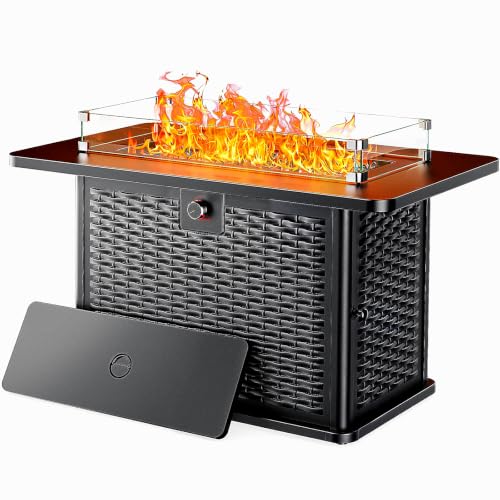
An outdoor fire pit table is a patio table with an integrated fire element — either a central burner or a linear fire feature — set into the tabletop. The surrounding surface acts as a usable table, and the fire provides warmth and ambiance. The category sits between a traditional outdoor fire pits bowl and a standard patio table.
Fire pit tables are especially popular on patios where seating is arranged around a central piece. They replace the traditional coffee table in a conversation zone, giving the space a natural focal point. In households that entertain frequently, the table becomes a gathering spot that stays in use across three seasons.
The category has grown substantially, and the range now includes gas fire pit tables, electric fire tables, and propane versions designed with the tank integrated into the base. Understanding the fuel type is the first step in choosing the right piece.
Fuel Types: Propane, Natural Gas, and Electric
The fuel decision affects installation, portability, heat output, and cost of operation. Each fuel type has clear strengths.
Propane Fire Pit Tables
Propane models are the most common in the category. They are portable, do not require a gas line, and heat quickly. Many models hide the propane tank inside the base, which keeps the design cleaner. The outdoor fire pit with propane tank inside guide covers this configuration. Propane models need periodic tank refills, and heat output is typically strong and immediate. For a step up in design and convenience, see the outdoor fire table with propane tank inside.
Natural Gas Fire Pit Tables
Natural gas models connect to a home gas line, so there is no tank to refill. They suit patios where a gas line can be run or is already present. The outdoor fire table natural gas overview is a useful starting point. Because they are fixed, natural gas tables tend to be larger and more design-oriented. The natural gas fire table guide covers installation considerations.
Electric Fire Tables
Electric models use infrared or LED technology to produce heat and visual flame effects without combustion. They are the easiest to install — no gas line, no tank — and are safe for covered patios and smaller spaces. Heat output is generally lower than gas, but they are efficient in the long run and suit renters or apartments. The outdoor electric fire table guide covers this category.
Quick fuel guide
Renters or apartments: electric. Portable patios without a gas line: propane with hidden tank. Fixed patios with existing gas: natural gas. Mixed-use patios that need flexibility: propane. Small covered spaces: electric.
Materials and Tabletop Options
A fire pit table lives outside through sun, rain, and heat, so material choice matters more here than on a simple table. The tabletop needs to handle both weathering and nearby heat.
Tabletop Surfaces
Stone-look composite, cast concrete, and ceramic tile are the most common tabletop materials. They resist heat well and add visual weight. Metal tops are also available — often aluminum or powder-coated steel — and are lighter and easier to clean. Avoid thin glass or untreated wood directly adjacent to the burner, as heat stress and moisture can cause damage over time.
Base and Frame Materials
Powder-coated aluminum is the most practical base material for fire pit tables: light enough to move, resistant to rust. Steel bases feel more substantial and stable, but depend on a rust-proof finish. Concrete and stone bases anchor the piece visually and suit contemporary patios. Synthetic wicker bases are available but require careful maintenance because heat can degrade the material.
Weather Coatings
Powder-coated finishes last noticeably longer than painted finishes. On higher-end tier and professional-grade pieces, look for sealed concrete or high-grade steel with a weather-resistant coating. The base of a fire pit table sits close to the ground, where moisture collects, so a rust-proof finish at the bottom is essential.
Heat Components
Burners are typically stainless steel or high-grade steel. Look for burner trays with drainage and lids or covers for when the table is not in use. Glass wind guards and lava rocks or fire glass add visual interest, but they also affect how the flame performs — verify that the model includes the accessories it needs.
Placement, Layout, and Safety
Fire pit tables need careful placement. Comfort and safety depend on spacing and clearances.
- Distance from seating: Allow at least 24 to 36 inches between the fire feature and surrounding chairs.
- Clearance above: Do not place a fire pit table directly under a low pergola or awning. Confirm the model's minimum overhead clearance.
- Base stability: Fire pit tables are heavier when in use (especially propane models). Confirm the base is stable on your patio surface.
- Wind exposure: Wind can disturb flames. If your patio is windy, consider a fire pit table with a wind guard or place it with a windbreak nearby.
- Outdoor only: Never use a fire pit table indoors or in a fully enclosed space. Carbon monoxide is a serious risk with gas models.
If you are building a complete layout around the fire pit table, coordinating seating is the natural next step. Our guide to the outdoor furniture with fire pit table explains how to pair seating with the fire element, and the outdoor furniture with fire pit and swivel chairs configuration is a popular pattern. For a dining-table version, see the outdoor fire pit dining table and chairs.
Fire Pit Table Types at a Glance
Use this comparison to match a fire pit table type to your patio and usage pattern. Tier labels reflect relative market positioning, not any numeric figure.
| Fire Pit Table Type | Best For | Tier Positioning | Key Consideration |
|---|---|---|---|
| Propane with hidden tank | Flexible patios without a gas line | Entry-level to mid-range | Confirm hidden tank access |
| Natural gas | Fixed patios with a gas hookup | Mid-tier to premium | Verify installation requirements |
| Electric | Renters, apartments, small covered patios | Entry-level to mid-range | Confirm heat output matches expectation |
| Dining table with fire pit | Entertaining and full dining | Mid-tier to premium | Match table height to seating |
| Designer/fire table with glass guard | Statement patios | Luxury | Check wind guards and finish quality |
Buying Checklist for Fire Pit Tables
These checks catch the details most buyers only notice once the fire pit table is on the patio.
- Fuel choice: Confirm propane, natural gas, or electric based on your patio and installation capability.
- Heat output: Match the heat output to the size of your seating area and climate.
- Tabletop material: Composite, cast concrete, or tile tops handle heat and weathering better than thin glass.
- Base finish: Powder-coated aluminum or high-grade steel is more durable than painted finishes.
- Ignition system: Push-button or electronic ignition makes lighting easier, especially in windy conditions.
- Wind guards: A glass wind guard or adjustable flame improves performance on breezy patios.
- Accessories included: Confirm fire glass, lava rocks, and lids are included if needed.
- Safety clearances: Check the manufacturer's minimum distance to furniture and overhead structures.
- Cover: A fitted cover preserves the finish and keeps water out of the burner tray.
If you are comparing broader configurations, the outdoor dining table with fire pit and outdoor dining table with gas fire pit guides cover related designs. For warmth-focused setups, the outdoor fire table propane overview is a useful companion.
Caring for a Fire Pit Table
A fire pit table needs routine care to stay safe and good-looking. Most of the work is simple upkeep.
- Weekly: Wipe down the tabletop and check the burner for debris.
- Monthly: Clean fire glass or lava rocks and inspect the ignition system and gas connections.
- Seasonally: Deep-clean the tabletop and inspect the base for chips in the finish. Tighten any loose hardware.
- Before winter: Cover the fire pit table or move it indoors if freezing is likely. For gas models, disconnect the tank or turn off the gas supply.
Moisture is the biggest threat to fire pit tables over the long term. Keeping the burner dry and the base free of pooled water preserves both function and finish.
Frequently Asked Questions
Is a propane or natural gas fire pit table better?
Propane is more flexible and portable — no gas line needed, and the tank can be hidden in the base. Natural gas is more convenient long-term if you already have a gas hookup and want a fixed installation. Choose natural gas for permanence, propane for flexibility.
Can an electric fire pit table really produce heat?
Electric fire pit tables typically produce infrared heat that warms nearby people but not the surrounding air. Heat output is generally lower than gas, but they are easy to install, safe for covered patios, and efficient to operate.
Do I need a cover for my fire pit table?
A fitted cover is highly recommended. It protects the burner tray, keeps water out of the fire feature, and preserves the finish on the tabletop and base. Without a cover, moisture and debris shorten the life of the piece noticeably.
Can a fire pit table be used on a wooden deck?
Yes, with care. Raise the table on a heat-resistant mat if the manufacturer recommends it, and confirm the model's clearance to combustible surfaces. Electric models are the safest option on wooden decks.
How much clearance does a fire pit table need from seating?
Allow at least 24 to 36 inches between the fire feature and surrounding chairs. Confirm the manufacturer's specific clearance recommendations for both seating and overhead structures.
Final Thoughts
An outdoor fire pit table is one of the most rewarding additions you can make to a patio. It blends function and warmth in a way that a simple fire bowl or a plain table cannot. Choose your fuel type based on installation and portability needs, prioritize a heat-tolerant tabletop and durable base finish, and follow the manufacturer's clearance guidelines. When those align, the fire pit table becomes the natural center of every cool evening on the patio.
If you are building out the full seating arrangement, the outdoor furniture with fire pit table and outdoor fire pit dining table and chairs guides cover complementary configurations.