Outdoor Gas Fire Pit Table: The Complete Guide to Choosing Your Backyard Centerpiece
Turn your patio into a warm, welcoming gathering spot. Learn how fuel type, build materials, ignition systems, and safety features shape the ideal gas fire pit table for your outdoor space.
Why a gas fire pit table deserves your attention: It is more than a heat source. A well-chosen gas fire pit table anchors your seating arrangement, extends your outdoor season into cooler evenings, and doubles as a functional surface for drinks and decor. This guide walks you through every decision point so you can buy with confidence.
What Is an Outdoor Gas Fire Pit Table?
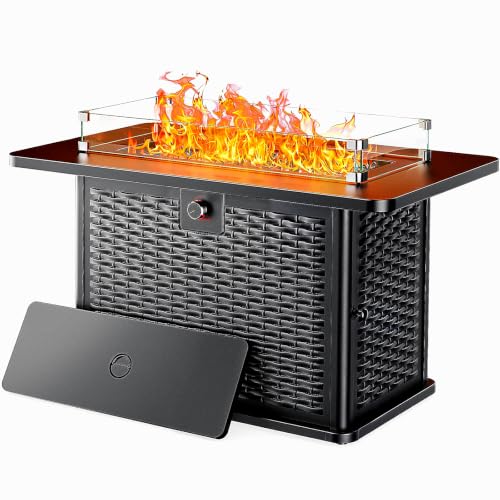
An outdoor gas fire pit table is a hybrid piece of patio furniture that pairs a flat, usable tabletop with a built-in gas burner. The burner is typically centered or offset and is surrounded by a heat-resistant rim. Depending on the model, the table surface may be glass, stone, ceramic tile, or metal, while the base houses the gas controls and, in many propane units, a concealed tank compartment.
Unlike a traditional wood-burning fire pit, a gas fire pit table starts with a simple push of a button or turn of a knob. There is no ash to clean, no embers to worry about, and no firewood to store. This convenience makes it a popular choice for homeowners who want ambiance without the maintenance ritual. If you are still comparing fire features in general, our broader guide on outdoor fire pit tables covers the full landscape of options.
The table format also solves a common patio problem: how to keep the fire feature useful when it is not lit. During warmer months, the surface holds appetizers, drinks, or a lantern. When the temperature drops, the flame takes over and becomes the focal point. This dual-purpose design is why gas fire pit tables have become a staple in outdoor living design.
Propane vs. Natural Gas: Which Fuel Type Fits Your Space?
The fuel decision affects installation, portability, and long-term convenience. Most outdoor gas fire pit tables run on one of two fuel sources, and each has a distinct set of trade-offs.
Propane Fire Pit Tables
Propane models are the most flexible option. They typically use a standard 20-pound propane tank, which can be stored inside the base of the table or connected externally. Because they require no permanent gas line, you can move the table around your patio, rearrange your layout, or bring it to a new home. Entry-level and mid-range propane tables often use a manual ignition, while premium models may include electronic ignition and flame-sensing safety features.
The main consideration with propane is tank management. You will need to monitor fuel levels and swap tanks when they run out. Some homeowners keep a spare tank on hand to avoid interruptions during gatherings. If you prefer the versatility of propane and want a dedicated dining surface, explore our guide on outdoor dining tables with propane fire pits.
Natural Gas Fire Pit Tables
Natural gas models connect directly to your home's gas line. Once installed, you never need to refill or replace a tank. The flame is consistent, and the table remains in a fixed location. This makes natural gas ideal for homeowners who have already planned a permanent patio layout and want a seamless, built-in look.
The trade-off is installation complexity. Natural gas tables require a licensed professional to run a gas line to the patio and connect the unit safely. If you are considering this route, our overview of natural gas fire tables explains the planning steps and what to expect during installation.
Side-by-Side Comparison
| Consideration | Propane | Natural Gas |
|---|---|---|
| Installation | No gas line required; ready to use with a tank | Requires professional gas line connection |
| Portability | High; can be repositioned | Fixed in place |
| Fuel Management | Refill or exchange tanks | Continuous supply from home line |
| Best For | Renters, flexible layouts, occasional use | Permanent patios, frequent use, built-in designs |
| Tier Availability | Entry-level through luxury | Mid-range through luxury |
Table and Burner Materials: What Holds Up Outdoors?
The materials determine how your fire pit table looks, how it ages, and how much upkeep it demands. Outdoor furniture has to contend with sun, rain, temperature swings, and the heat of the burner itself. The best gas fire pit tables use materials that are rated for all of these conditions.
Tabletop Options
- Tempered glass: Sleek and reflective, glass tops are common on modern and contemporary designs. They are easy to wipe clean but can show water spots and fingerprints. Look for tempered glass rated for high heat.
- Stone and granite: Natural stone tops offer a premium, organic look. They are heavy, durable, and resistant to heat, but they may require periodic sealing to prevent staining.
- Ceramic tile: Tile tops provide a classic, finished appearance and come in a wide range of colors and patterns. Grout lines need occasional cleaning to stay pristine.
- Powder-coated metal: Steel and aluminum tops with a powder-coated finish are lightweight, durable, and resistant to rust when properly maintained. They suit industrial and minimalist styles.
- Concrete composite: These tops mimic the look of poured concrete with less weight. They are weather-resistant and pair well with modern and rustic patios.
Base and Frame Materials
The base houses the burner, controls, and often the propane tank. Stainless steel is the gold standard for burner components because it resists rust and corrosion. Aluminum frames are lightweight and weather-resistant, while steel frames offer strength but require a rust-proof finish. Wicker and rattan bases add texture and a relaxed aesthetic, but they should be rated for outdoor use and kept away from direct flame exposure.
If you are furnishing a full outdoor room, it helps to think about material harmony across pieces. Our guide to weather-resistant outdoor furniture explains how to choose finishes that survive the elements and look cohesive together.
Ignition Systems Explained
Ignition is one of the most practical differences between fire pit table tiers. The system you choose affects how easy the table is to light, how safely it operates, and how much control you have over the flame.
Manual Ignition
Manual ignition requires you to turn a knob and use a match or built-in striker to light the burner. Entry-level models often use this approach. It is simple and reliable, but it requires a bit of technique, especially in windy conditions.
Push-Button Ignition
Push-button systems generate a spark electronically when you press a button. They are more convenient than manual lighting and are common on mid-range tables. Most include a flame height adjustment knob so you can dial the warmth up or down.
Electronic Ignition with Flame Sensing
Premium and luxury fire pit tables often feature electronic ignition with flame-sensing technology. These systems monitor the flame and shut off the gas supply if the flame goes out, adding a layer of safety. They may also include remote control or smart-home integration, allowing you to light the table from a nearby seat.
When comparing tiers, remember that a mid-range model with a smooth electronic ignition can offer a noticeably better user experience than an entry-level unit with a basic striker. The difference is not about numbers; it is about how the table feels to operate every time you use it.
Safety Features to Prioritize
Gas fire pit tables are engineered to be safe when used correctly, but not all models include the same safeguards. Prioritize these features when comparing options.
- Flame failure safety valve: Automatically cuts off the gas if the flame is extinguished. This is especially important on windy days.
- Thermocouple or flame sensor: Detects whether the burner is lit and prevents gas from flowing when it is not.
- Heat-resistant glass or stone surround: Protects the tabletop and surrounding area from direct burner heat.
- Stable, weighted base: Reduces the risk of tipping, especially on decks or uneven surfaces.
- Certified components: Look for recognized safety certifications on the burner and gas connections.
Placement matters as much as the product itself. Keep the table away from low-hanging branches, fabric awnings, and combustible furniture. On a wooden deck, use a heat-resistant mat if the manufacturer recommends it, and always follow the clearance guidelines in the manual.
Deck and Patio Safety Note
Gas fire pit tables produce no embers or sparks, which makes them generally safer on decks than wood-burning pits. However, the table itself gets hot near the burner. Keep children and pets at a safe distance, and never place the table directly against a wall or railing.
Size and Placement Planning
A fire pit table should fit your seating arrangement and leave enough room for people to move comfortably. Before you shop, measure your patio and sketch a simple layout.
- Seating clearance: Allow at least 18 to 24 inches between the table edge and the front of each seat so guests can get in and out easily.
- Table height: Fire pit tables are usually coffee-table height (for lounge seating) or dining height (for chairs). Match the height to your existing furniture.
- Shape: Round and square tables work well in compact or conversation-focused layouts. Rectangular tables suit longer seating groups and double as dining surfaces.
- Traffic flow: Leave a clear path around the table so people can walk past without squeezing between seats.
If your patio is on the smaller side, a round fire pit table can anchor a pair of lounge chairs without overwhelming the space. For larger gathering areas, a rectangular table with a built-in fire feature can serve as both a dining surface and a heat source. Our guide to outdoor furniture with a fire pit table explores coordinated sets that simplify the layout process.
Design and Styling Tips
A fire pit table is a visual anchor. The style you choose should complement your patio's architecture and the surrounding furniture, not compete with it.
Match the Table to Your Patio Style
- Modern and contemporary: Choose a linear or square table with a glass or concrete top and a low-profile metal base.
- Rustic and farmhouse: Look for stone or tile tops and bases with wood-look finishes or textured wicker.
- Coastal: Light-colored composite or stone tops with aluminum frames feel airy and relaxed.
- Traditional: Ornate cast-aluminum or stone bases with classic profiles pair well with cushioned seating.
Surrounding Furniture and Decor
Keep the seating arrangement open toward the flame. Club chairs, loveseats, and sectionals all work as long as they are rated for outdoor use and positioned at a safe distance. Add a rug to define the conversation zone, and use lanterns or string lights to layer the ambiance. Avoid placing fabric cushions directly next to the burner.
If you are building a complete conversation area, our collection of conversation sets with fire pits can help you visualize how the table fits into a larger seating plan.
Maintenance and Longevity
A gas fire pit table is a long-term investment in your outdoor space. A little routine care keeps it looking sharp and operating safely.
- Clean the tabletop regularly: Use mild soap and water for glass, stone, and metal surfaces. Avoid abrasive cleaners that can scratch the finish.
- Keep the burner area clear: Remove debris, leaves, or spilled food from the burner and surrounding tray.
- Inspect gas connections: Check hoses and fittings at the start of each season for wear or leaks.
- Cover when not in use: A fitted cover protects the table from rain, pollen, and UV exposure.
- Store propane tanks safely: Keep spare tanks upright, outdoors, and away from heat sources.
For broader seasonal care advice, our outdoor fire pit table guide includes tips on winterizing and protecting your investment through temperature swings.
Frequently Asked Questions
What is an outdoor gas fire pit table?
It is a patio furniture piece that combines a flat tabletop with a built-in gas burner. It provides warmth and ambiance while offering a surface for drinks, plates, or decor.
Should I choose propane or natural gas for my fire pit table?
Propane models are portable and require no permanent gas line, making them ideal for flexible layouts. Natural gas models connect to a home gas line and eliminate the need to refill tanks, but they require professional installation and a fixed location.
Are gas fire pit tables safe to use on a wooden deck?
Yes, gas fire pit tables are generally safer on decks than wood-burning pits because they produce no embers or sparks. However, always maintain clearance from combustible materials, follow the manufacturer's instructions, and use a heat-resistant mat if recommended.
How do I maintain an outdoor gas fire pit table?
Clean the tabletop with mild soap and water, keep the burner area free of debris, inspect gas connections seasonally, and cover the unit when not in use. For glass or stone elements, follow the specific care instructions provided by the manufacturer.
Can a gas fire pit table double as a dining table?
Some rectangular models are designed at dining height with a centered burner and a surrounding surface wide enough for plates and glasses. These are sometimes called fire pit dining tables. If dining is a priority, look for a model with a generous tabletop area and a burner that is offset or covered by a lid when not in use.
Ready to Choose Your Fire Pit Table?
Compare seating layouts, fuel options, and materials that suit your patio. Explore our curated selection of outdoor fire features and find the centerpiece that fits your space.
Explore Recommended Options