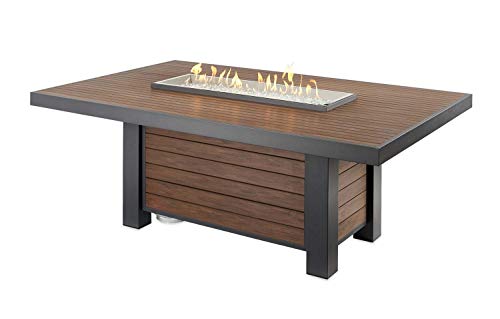
Outdoor Dining Table with Gas Fire Pit: The Complete Buyer's Guide
Everything you need to know about choosing, placing, and caring for a gas fire pit dining table — from burner types and materials to safety and layout.
Why this guide matters: An outdoor dining table with a built-in gas fire pit blends two functions into one footprint — a place to share meals and a source of warmth and ambiance after sunset. If you are researching this category, you likely already know you want one. This guide answers the questions that decide whether a specific model will work for your patio: how the burner works, which materials last, how much space you need, and what safety features to insist on before you commit.
What Exactly Is a Gas Fire Pit Dining Table?
A gas fire pit dining table is a full-size dining table with a central burner integrated into the tabletop. The burner is typically surrounded by a tempered glass shield or a removable lid, so the same surface works as a normal dining table when the flame is off and as a warm focal point when it is on. Unlike a standalone fire pit placed beside a table, this design keeps heat, conversation, and food service in one zone.
Most models are built around either a propane (LP) or natural gas (NG) burner. Propane units are self-contained and easier to reposition, while natural gas units connect to a fixed line and suit permanent installations. If you are still comparing the broader category, our overview of the outdoor dining table with fire pit explains how gas and wood-burning versions differ in practice.
Why Choose Gas Over Wood or Electric?
Gas burners offer instant ignition, adjustable flame height, and no ash, sparks, or smoke. That matters when the table is also where you eat. A few practical advantages stand out:
- Clean operation: no soot drifting onto plates or table linens.
- Controllable heat: you can dial the flame down to a low ambiance setting or raise it on a cool evening.
- Faster start and stop: no waiting for coals to catch or embers to die out.
- Predictable fuel: a propane tank or gas line delivers a consistent burn.
If you prefer the look of a flame without any fuel handling, an outdoor electric fire table is a low-maintenance alternative, though it usually produces less radiant heat than a gas burner.
Burner Types and Fuel Options
The burner is the heart of the table, and the choice between propane and natural gas shapes installation, portability, and long-term use.
Propane (LP) Burners
Propane models run from a standard cylinder, often stored inside the table base behind an access door or connected externally. They are the most flexible option for renters and for patios without a gas line. Many designs hide the tank completely; our guide to the outdoor gas fire pit with hidden propane tank covers how that storage affects table dimensions and clearance.
Natural Gas (NG) Burners
Natural gas models connect to a permanent supply line and never need refueling. They suit built-in or semi-permanent patios where the table will stay in one place. Installation typically requires a licensed professional and a properly sized line. If you are planning a fixed setup, an outdoor fire table natural gas configuration is worth comparing against propane before you finalize the layout.
Burner Media and Flame Presentation
Most gas tables use one of three media types: lava rock, fire glass, or ceramic logs. Fire glass gives a modern, reflective flame; lava rock offers a more traditional, rugged look; ceramic logs mimic a wood fire. The media affects the visual style more than the heat output, so choose based on the design language of your patio.
Table Materials: What Lasts Outdoors
Because the table combines a dining surface with a heat source, material quality matters more than on a standard dining table. Heat, UV exposure, and moisture all act on the frame and top simultaneously.
Powder-Coated Aluminum and Steel
Powder-coated aluminum is lightweight, rust-resistant, and a common choice for mid-range and premium models. High-grade steel with a rust-proof finish is heavier and very stable, but the coating quality determines how well it resists chipping and corrosion over time. Look for a weather-resistant coating and sealed welds on any metal frame.
Stone, Concrete, and Composite Tops
Stone and concrete tops feel substantial and handle heat well, but they are heavy and may need sealing. Composite materials offer a similar look with less weight and more uniform color. Whatever the top, confirm that the burner cutout is properly insulated so heat does not stress the surrounding surface.
Wood and Wicker Accents
Wood frames and wicker or rattan accents add warmth to the design, but they should be kept away from the burner zone. On hybrid designs, check that the heat shield protects any natural-fiber elements. For a broader material comparison across the category, see our guide to outdoor dining table construction and finishes.
Sizing and Layout: Getting the Footprint Right
A fire pit dining table is usually larger than a standard table of the same seating count because the central burner consumes surface area. Plan the footprint before you shop.
- Seating count: most gas fire pit dining tables seat four to eight. Rectangular models typically seat six to eight; round models favor four to six.
- Clearance: allow at least 36 inches on all sides for chair pull-out and walkways.
- Overhead: keep the table at least 10 feet from low branches and never place it under a fabric umbrella while the burner is lit.
- Surface area: confirm the usable dining space outside the burner ring is enough for plates and serving dishes.
If your patio is tight, compare this format with a outdoor dining table with bench and chairs, which can free up perimeter space, or a round table and chairs set that fits more naturally into compact corners.
Features That Separate Good Models from Great Ones
Two tables can look similar in a listing and behave very differently after a season outdoors. These are the details worth checking.
Ignition and Controls
Electronic ignition with a control knob is more convenient than a manual push-button starter. A flame-height adjustment lets you move between a low ambiance flame and a higher heat setting without relighting.
Heat Output and Shielding
A tempered glass shield around the burner reduces wind interference and keeps the flame contained. Check the rated heat output and whether the table includes a lid that converts the burner area into usable tabletop when off.
Safety Systems
An auto shut-off or thermocouple safety valve cuts gas flow if the flame goes out. A child safety lock on the control panel is a meaningful addition for households with young children.
Storage and Access
Propane models should have a clearly accessible tank door. Some designs include built-in storage for the lid or burner cover, which keeps the tabletop usable without leaving loose parts around.
Comparing Tiers: Entry-Level to Luxury
Rather than shopping by numbers, it helps to understand what each tier of the market typically delivers. The descriptors below describe relative market position, not any specific figure.
| Tier | Typical Construction | Best For |
|---|---|---|
| Entry-level | Powder-coated steel frame, lighter top, basic manual ignition | First-time buyers and seasonal patios |
| Mid-range | Aluminum or high-grade steel frame, composite or stone-look top, electronic ignition | Year-round residential use |
| Premium | Reinforced frame, sealed stone or concrete top, glass shield, safety shut-off | Primary outdoor dining space |
| Luxury | Heavy-duty construction, integrated storage, refined finishes, commercial-grade hardware | Design-led and high-use patios |
Mid-range models often deliver the best balance for most homeowners: smoother ignition, better heat shielding, and a frame that holds up through repeated seasons. Entry-level tables can work well on covered porches or for occasional use, while premium and luxury tiers make sense when the table is the centerpiece of a frequently used outdoor room.
Safety and Placement Guidelines
Gas fire pit dining tables are safe when installed and used as directed. The essentials:
- Follow the manufacturer's clearance distances from walls, railings, and combustible materials.
- Never use a propane table indoors, in a garage, or under an enclosed structure without ventilation.
- Keep the burner covered when not in use to protect it from debris and moisture.
- Check the gas connection and hose for wear at the start of each season.
- Never leave an active flame unattended, and keep children and pets at a safe distance.
- Turn the gas off at the source before covering the table or storing it.
If you are also considering a separate fire feature, our guides to the outdoor fire pit table and outdoor fire pits cover standalone options and their placement requirements.
Care and Maintenance
A gas fire pit dining table needs less upkeep than a wood-burning pit, but a simple routine keeps both the finish and the burner in good condition.
- Weekly: wipe the tabletop and remove debris from the burner area.
- Monthly in season: inspect the burner ports and clear any blockage; check the hose and connections.
- Seasonal: clean the glass shield, check the ignition system, and cover the table during long periods of disuse.
- Off-season: disconnect propane, store the tank safely, and use a fitted cover to protect the frame and top.
For a full maintenance framework that applies across outdoor furniture, see our outdoor furniture that can withstand weather guide.
Pre-Purchase Checklist
Before you commit to a model, confirm:
- Fuel type matches your patio — propane for flexibility, natural gas for a fixed line.
- Seating count and table dimensions fit your measured footprint with 36-inch clearance.
- Burner includes a safety shut-off and a glass shield or wind guard.
- Tabletop is usable when the burner is off (removable lid or flush cover).
- Frame material and coating are rated for your climate.
- Tank access (propane) or gas line routing (natural gas) is practical for your space.
- Overhead clearance is free of branches, umbrellas, and structures.
Where This Table Fits in Your Outdoor Setup
A gas fire pit dining table works best as the anchor of a dedicated dining zone. Pair it with comfortable seating, a shade plan for daytime meals, and lighting for evening use. If you are building out the rest of the space, our outdoor dining table set with fire pit overview shows how complete sets bundle seating with the burner, and the outdoor essentials checklist covers the supporting pieces that make the zone functional.
For buyers comparing adjacent formats, a propane fire pit dining table is the most common starting point for patios without a gas line, while a fire pit in the middle dining table layout is the classic configuration for six- to eight-seat rectangles.
Frequently Asked Questions
Can the table be used for regular meals without the flame on?
Yes. Most models include a lid or glass shield that covers the burner, turning the full surface into a standard dining table. Always let the burner cool completely before placing the cover back on.
Propane or natural gas — which should I choose?
Choose propane if you want portability or do not have a gas line; choose natural gas if the table will stay in one place and you prefer never refueling. Natural gas requires professional installation.
How much space do I need around the table?
Plan for at least 36 inches of clearance on all sides for chairs and walkways, and keep the table at least 10 feet from low branches and fabric structures. Follow the manufacturer's clearance figures as the final authority.
Is a gas fire pit dining table safe with children and pets?
Yes, with normal precautions. Look for a tempered glass shield, a child safety lock, and an auto shut-off valve, and never leave an active flame unattended.
How long does a propane tank last?
Runtime depends on burner output and flame setting. A low ambiance flame extends use considerably, while a high setting consumes fuel faster. Keep a spare tank on hand during entertaining season.
Ready to compare specific models? Explore curated options that match the guidance in this guide.
Explore Options