Outdoor Futon Buying Guide: Comfort Meets Weather Resistance
Everything you need to know about choosing a convertible futon built for patios, decks, porches, and sunrooms — from frame materials to cushion fabrics.
Why an outdoor futon deserves a place in your backyard: An outdoor futon is one of the most versatile pieces of patio furniture you can own. It serves as a sofa by day, a lounger by afternoon, and a spare bed by night — all while standing up to sun, humidity, and the occasional rain shower. If you are weighing your seating options, this guide breaks down the materials, mechanisms, and design decisions that separate a long-lasting outdoor futon from one that deteriorates within a season.
What Exactly Is an Outdoor Futon?
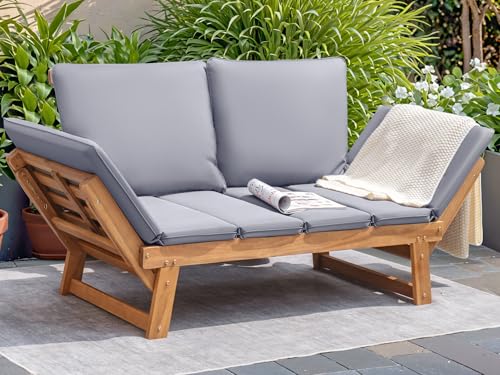
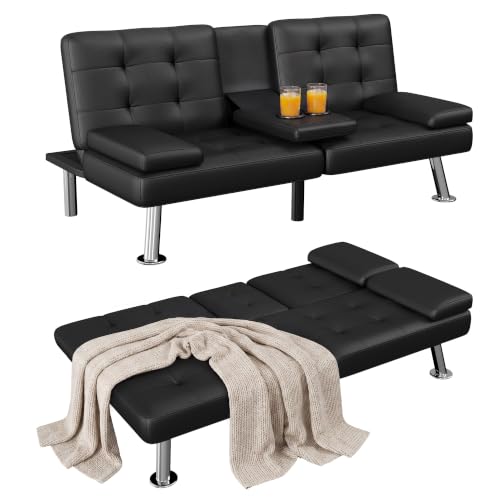
An outdoor futon is a convertible seating and sleeping unit engineered for exterior environments. Like its indoor counterpart, it folds flat from an upright sofa position into a lying surface — but every component, from the frame coating to the fabric weave, is specified for weather exposure. Most models use a metal or hardwood frame wrapped with weather-treated cushions, and many fold into multiple positions including lounge and flat configurations.
Unlike a standard patio sofa, the futon's folding mechanism introduces joints and hinges that must resist corrosion and grit. That engineering difference is what drives the material choices discussed below, and it is the single most important factor separating a piece that lasts many seasons from one that seizes up after a few months of outdoor use.
Types of Outdoor Futons and Who Each One Suits
Outdoor futons generally fall into three structural families. Understanding the trade-offs between them helps you match the piece to your space and usage pattern.
Metal-Frame Futons
Powder-coated steel or aluminum frames dominate the market. They are rigid, resist warping, and handle humidity well. Aluminum is the lighter and more rust-resistant option; heavier steel offers a more planted feel. Best for patios exposed to frequent moisture.
Wood-Frame Futons
Teak, acacia, and eucalyptus bring warmth and blend naturally with garden settings. Sealed hardwood resists rot and insects, though joints need periodic inspection. Best for covered porches and design-forward decks where the frame is visible.
Wicker and Resin Futons
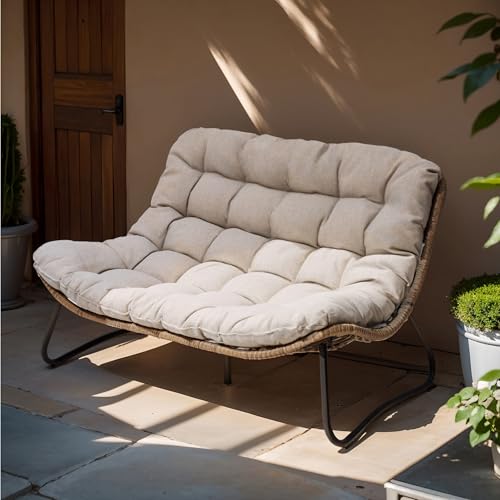
Resin wicker woven over a metal skeleton delivers a softer, more traditional look with good moisture tolerance. The weave can trap debris, so occasional rinsing keeps it looking fresh. Best for coastal or cottage-style outdoor living areas.
Beyond frame type, futons differ in folding mechanism: click-clack models are simple and durable, while ratchet or spring-assisted mechanisms offer smoother transitions between positions. If the futon will double as a guest bed, prioritize a mechanism that lies truly flat rather than one that only reclines.
Frame and Cushion Materials Compared
Use the table below to compare the most common outdoor futon materials by their tier positioning, weather behavior, and ideal placement. The tier descriptors reflect relative market positioning within the outdoor futon category, not any specific figure.
| Component | Tier | Best For | Weather Notes |
|---|---|---|---|
| Powder-coated steel frame | Essential tier | Everyday patio seating | Solid build; inspect for chips and touch up to prevent rust |
| Aluminum frame | Mid-tier | Humid and coastal climates | Naturally rust-proof finish; lightweight and easy to reposition |
| Sealed teak or acacia frame | Premium | Covered porches and design-led decks | Rot-resistant when sealed; reapply protectant annually |
| Resin wicker over metal | Mid-range | Coastal and traditional settings | Moisture-tolerant weave; rinse to clear trapped debris |
| Solution-dyed acrylic cushions | Top-tier | High-sun exposure areas | UV-stable color; quick-drying and mildew-resistant |
| Polyester blend cushions | Entry-level | Sheltered or seasonal use | Feature-rich for its class; store indoors during heavy rain |
Sizing, Placement, and Space Planning
Measure twice before committing. An outdoor futon in sofa mode typically occupies a footprint similar to a two- or three-seat patio sofa, but it needs additional clearance behind and above the backrest to recline and fold flat. Leave at least a hand-width of space behind the frame so the mechanism never strikes a wall or railing.
Placement decisions also affect longevity:
- Under a pergola or awning: reduces direct UV and rain exposure, the easiest way to extend cushion life.
- On a covered porch: the most forgiving environment for wood frames and fabric cushions alike.
- Fully open patio: choose aluminum or resin-wicker frames and solution-dyed cushions, and plan for a quality cover.
If your patio is compact, a futon can replace both a sofa and a chaise, freeing floor area. Pair it with a folding side table with a glass top that can be moved aside when the futon unfolds, or anchor the layout with a matching loveseat if you prefer fixed seating with a futon as the flexible second piece.
Weather Resistance: What to Look For
Weather resistance is not a single feature — it is a chain of small specifications that must all hold up. When comparing models, check for the following:
- Rust-proof finish on hardware: stainless steel or galvanized bolts at the hinge points, not bare steel.
- UV-treated fabric: look for solution-dyed fibers or an explicit UV-resistance rating on the cushion label.
- Quick-dry foam: open-cell foam with drainage channels prevents the soggy-core problem that plagues indoor foam used outdoors.
- Raised feet: small feet or glides keep the frame off standing water on decking and concrete.
- Drainage-friendly seams: sealed or taped seams reduce water intrusion into cushion cores.
Even a well-specified futon benefits from a fitted cover during the off-season. If your broader patio is being built out for year-round use, the weatherproofing principles that apply to weather-resistant outdoor furniture apply here in exactly the same way.
Care and Maintenance Routine
A simple maintenance rhythm keeps an outdoor futon comfortable and structurally sound for years:
- Weekly: brush off debris and wipe the frame with a damp cloth; leave cushions to air in shade.
- Monthly: vacuum cushion seams and check hinge bolts for tightness.
- Seasonally: wash removable covers per the manufacturer's instructions; apply wood sealant to hardwood frames; inspect powder coating for chips and touch up promptly.
- Before winter: store cushions indoors and cover the frame, or move the entire unit into a shed if space allows.
If you own several patio pieces, consider a unified care kit and routine. Our guide to outdoor furniture covering explains cover breathability and fit so condensation does not become a problem beneath the cover.
Styling an Outdoor Futon
An outdoor futon is a strong visual anchor, so styling should support rather than compete with it. A few practical approaches:
- Neutral base, seasonal accents: choose a frame and cushion in a calm tone, then rotate throw pillows and a lightweight throw with the seasons.
- Define the zone: an outdoor rug under the futon visually separates the lounging area from the dining or grilling zone.
- Lighting layers: string lights overhead plus a small lantern at the side table make the futon the evening focal point.
- Greenery: a pair of outdoor planters flanking the futon frames it without crowding the folding path.
For covered porches, the futon pairs naturally with the same styling logic used in small screened-in porch layouts, where every piece must earn its footprint.
Outdoor Futon Buying Checklist
Before you commit, run through this checklist against any model you are considering:
Frame and Mechanism
Confirm rust-proof hardware, smooth folding action, and a flat-lie position if sleeping use matters to you.
Cushion Specification
Check for UV-stable fabric, quick-dry foam, removable covers, and whether cushions are included or sold separately.
Footprint and Clearance
Measure the reclined and flat positions, not just the sofa position, and verify clearance behind the backrest.
Assembly and Warranty
Review assembly complexity and frame warranty length — a longer frame warranty usually signals a more confident build.
It is also worth comparing the futon against adjacent categories. If you mainly need lounging rather than sleeping, a double chaise lounge may suit your use better. If conversation and fire-side evenings are the priority, explore conversation sets with a fire pit. And if your goal is a flexible base layer for an evolving patio, see the broader outdoor furniture set overview before finalizing.
Frequently Asked Questions
What is an outdoor futon?
An outdoor futon is a convertible seating and sleeping piece designed for patios, decks, porches, and sunrooms. It features a weather-resistant frame and cushions that can withstand sun, rain, and humidity, and it folds flat to become a lounger or spare bed.
Can a regular indoor futon be used outdoors?
A standard indoor futon is not built for outdoor exposure. Its fabric, foam, and frame hardware may absorb moisture, fade, or rust quickly. For outdoor use, choose a futon specifically rated for exterior conditions with UV-treated fabric and a rust-resistant frame.
What frame materials work best for an outdoor futon?
Aluminum and powder-coated steel are excellent for durability and rust resistance. Teak, acacia, and other weather-hardy woods offer a natural look when properly sealed. Resin wicker over a metal frame is another popular choice for style and moisture tolerance.
How do I protect an outdoor futon in bad weather?
Use a fitted, breathable outdoor furniture cover when the futon is not in use. Store removable cushions indoors during heavy rain or off-season months. Wipe down the frame regularly and reapply protective sealant on wood frames as recommended by the manufacturer.
Ready to narrow down your shortlist? Use our measurement guide to confirm your patio footprint, then review the recommended outdoor futons in the product section below.
For a complete backyard plan that places the futon in context with dining, shade, and lighting, start with our outdoor essentials checklist.