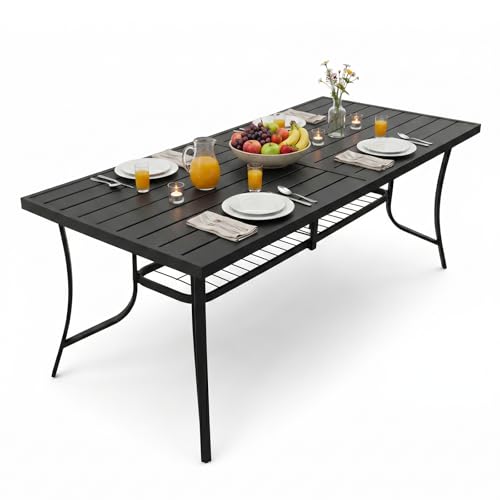
Outdoor Patio Dining Table with Umbrella Hole: The Complete Buying Guide
Everything you need to choose a durable, stylish dining table that keeps your umbrella stable and your guests comfortable — from materials and sizes to umbrella compatibility and long-term care.
Explore Top PicksWhy this guide matters: If you are researching an outdoor patio dining table with an umbrella hole, you have likely narrowed down what you want but still need clarity on the details that matter most — hole diameter, umbrella base compatibility, frame material, and how to keep everything stable on windy days. This guide answers those questions in plain language so you can move forward with confidence.
What an Umbrella Hole Table Really Does for Your Patio
An umbrella hole is a pre-drilled opening in the center of a patio dining table that allows the pole of a patio umbrella to pass through, keeping shade directly over the dining area. Instead of relying on a freestanding umbrella off to the side, this setup places shade exactly where you need it — over the plates, drinks, and conversation.
The benefits go beyond convenience. A center-mounted umbrella saves floor space on smaller decks and balconies, reduces trip hazards from separate umbrella bases, and creates a more cohesive look. It also protects food and guests from direct sun during long lunches and early evening dinners.
- Space efficiency: No separate umbrella footprint to plan around.
- Stability: When paired with a proper base, the pole is anchored through the table and held upright.
- Design cohesion: Table and umbrella work as one visual unit.
- Wind management: A well-fitted base and pole can reduce sway compared to loose freestanding umbrellas.
Types of Patio Dining Tables with Umbrella Holes
Not all umbrella-ready tables are built the same. The right type depends on how much space you have, how many people you seat regularly, and how much maintenance you are comfortable with.
| Table Type | Best For | Key Considerations |
|---|---|---|
| Round dining table | Compact patios, 4-person seating | Easier conversation flow; check umbrella hole is centered |
| Rectangular dining table | 6–8 person seating, long patios | Confirm hole position is central and base is not obstructed by legs |
| Square dining table | Balanced layouts, small to mid patios | Good for four diners; verify umbrella clearance at corners |
| Oval dining table | Elegant entertaining, 6-person seating | Check that the umbrella base fits underneath without wobble |
| Bar-height dining table | Casual elevated dining | Ensure umbrella pole length matches table height; consider high-top tables with umbrella holes for a coordinated setup |
Material Guide: Which Frame Survives the Outdoors?
The table material determines how much maintenance you will do, how heavy the table will be to move, and how well it handles sun, rain, and temperature swings.
| Material | Tier | Pros | Watch Out For |
|---|---|---|---|
| Powder-coated aluminum | Mid-range to premium | Lightweight, rust-resistant, easy to move, good value for its tier | Can dent under heavy impact; check coating quality |
| Teak / solid hardwood | Premium to luxury | Timeless look, naturally weather-resistant, long-term investment | Needs periodic oiling; heavier to reposition |
| Powder-coated steel | Entry-level to mid-range | Solid build, stable in wind, wide style range | Requires rust inspection at welds and scratches |
| High-density polyethylene (HDPE) | Entry-level to mid-range | Weatherproof, low maintenance, colorfast options | Less premium feel than metal or wood |
| Wicker / rattan over aluminum frame | Mid-range to premium | Textured look, comfortable aesthetic, often paired with cushions | Check weave tightness and frame underneath |
| Concrete / composite stone | High-end tier | Very stable, heat-resistant, statement piece | Extremely heavy; umbrella base may need reinforcement |
Umbrella Compatibility: Hole Size, Pole Fit, and Base Strategy
The umbrella hole is only half of the equation. The other half is making sure your umbrella pole, base, and table work as a system. Before buying, confirm these three measurements:
- Hole diameter: Most tables use a 1.5-inch to 2-inch opening. Some models include reduction rings to fit smaller poles.
- Pole diameter: Match the umbrella pole to the hole. A loose fit causes sway; a tight fit can scratch the finish.
- Base clearance: The umbrella base must sit flat under the table without hitting the legs or crossbars.
For larger umbrellas — especially cantilever or offset styles — check whether the table is rated for that umbrella type. A center-hole table is designed for a straight pole umbrella, not an offset cantilever. If you want more shade coverage without a center pole, explore patio dining sets with umbrella holes that bundle a compatible table and umbrella together.
Also consider the umbrella's wind rating and whether the base is weighted with sand, water, or concrete. A base that is too light for the umbrella canopy is the most common cause of tipping.
Sizing Guide: Match the Table to Your Space and Guests
Seating comfort depends on more than the tabletop dimensions. You need elbow room, chair pull-out space, and clearance for the umbrella base.
| Seating Capacity | Typical Table Shape | Best For |
|---|---|---|
| 2–4 people | Round or small square | Balconies, breakfast nooks, couples |
| 4–6 people | Rectangular, oval, or large square | Family dinners, small gatherings |
| 6–8 people | Large rectangular or oval | Entertaining, extended family |
| 8+ people | Extra-long rectangular or extension tables | Hosting, holiday meals |
As a rule of thumb, allow about 24 inches of table width per person and at least 30 inches of clearance around the table for chair pull-out. If your patio is tight, a round table often feels more spacious than a rectangular one because there are no corners to navigate.
Buying Checklist: What to Verify Before You Commit
- Confirm the umbrella hole diameter and whether reduction rings are included.
- Measure your umbrella pole and base before ordering the table.
- Check the table's weight rating and wind stability features.
- Verify the frame material suits your climate (coastal, humid, dry, or freezing).
- Review the assembly requirements — some tables ship with complex hardware.
- Look for a warranty that covers frame and finish.
- Plan for cushion storage if your chairs use outdoor cushions.
- Check that the table height matches your existing or planned dining chairs.
Care and Maintenance for Long-Term Performance
A dining table with an umbrella hole has one extra vulnerability: water can enter through the hole if the umbrella is removed. Here is how to protect your investment season after season.
- Use a hole plug or cover when the umbrella is not in use to keep rain and debris out.
- Clean the hole area periodically to prevent dirt buildup that can scratch the pole.
- Inspect the base for cracks or water accumulation, especially before windy seasons.
- Store cushions and umbrellas during off-season or severe weather.
- Touch up scratches on powder-coated metal promptly to prevent corrosion.
- Oil teak annually if you want to maintain its golden tone; otherwise, it will weather to a silver-gray patina.
For broader seasonal maintenance, our outdoor care guide covers cleaning routines, cover selection, and weatherproofing strategies that apply to all patio furniture.
Design and Styling Ideas
An umbrella hole table is a natural anchor for your outdoor dining zone. To make the space feel intentional, consider the following:
- Pair with a matching umbrella in a color that complements your cushions and rug.
- Add outdoor lighting overhead or around the perimeter to extend evening use.
- Use an outdoor rug to define the dining area and protect the patio surface.
- Choose stackable or swivel chairs for flexibility and easier storage.
- Incorporate planters at the corners to soften the edges of the dining zone.
If you are building out a full dining area, browse patio dining sets and dining chairs sets to coordinate seating with your table. For elevated entertaining, high dining sets with fire pits offer a different mood altogether.
Common Mistakes to Avoid
- Buying the table before the umbrella. Measure both together to avoid a mismatched pole or oversized base.
- Ignoring wind. A light table with a large umbrella canopy can tip in gusts; choose a weighted base and a stable frame.
- Skipping the hole plug. Water pooling inside the table can damage the finish and frame over time.
- Overcrowding the table. Leave enough elbow room and chair clearance for comfortable dining.
- Neglecting assembly space. Some tables require significant floor space to assemble; plan ahead.
Frequently Asked Questions
What size umbrella hole does a patio dining table need?
Most patio dining tables use a standard 1.5-inch to 2-inch umbrella hole. Always confirm the hole diameter and check that your umbrella pole matches before purchase. Some tables include reduction rings to accommodate smaller poles.
Which material is best for a patio dining table with umbrella hole?
Aluminum is lightweight and rust-resistant, teak offers timeless durability, and powder-coated steel provides a solid build. The best choice depends on your climate, maintenance preference, and design style.
How do I stabilize an umbrella in a dining table?
Use a weighted base rated for your umbrella size. For larger umbrellas, choose a heavy-duty base and consider a table with a reinforced center hub or umbrella stabilizer ring.
Can I use a cantilever umbrella with a center-hole table?
No. Center-hole tables are designed for straight-pole umbrellas. Cantilever and offset umbrellas require a freestanding base and should not be inserted into a table hole.
How do I protect the table when the umbrella is removed?
Use a hole plug or cover to keep rain and debris out. Clean the hole area periodically and inspect the base for water accumulation.