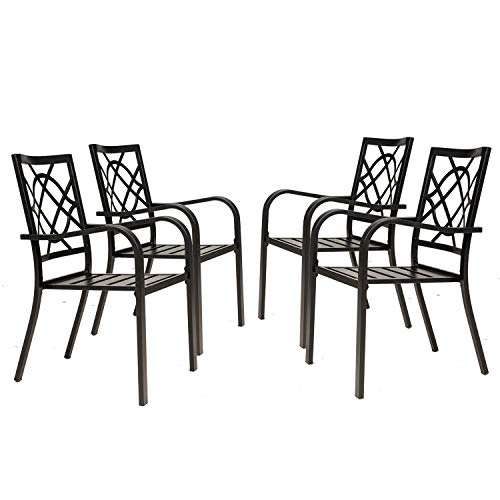
Outdoor Patio Dining Chairs Set of 4: Complete Buying Guide
A set of four matching dining chairs is the backbone of any functional outdoor dining space. This guide walks you through materials, comfort engineering, sizing, and styling so you can choose a set that fits your table, your climate, and your lifestyle.
Why a matched set of four? Four chairs create a complete dining arrangement for a typical family or small gathering, ensure visual consistency around your table, and often come with coordinated design language, uniform seat heights, and shared warranty coverage. Buying as a set also simplifies sizing decisions and delivery logistics.
Start With Your Table and Space
Before comparing chair features, confirm your table dimensions and patio footprint. Dining chairs need enough clearance to slide in and out comfortably. As a rule of thumb, allow roughly 24 inches of table width per chair and at least 30 to 36 inches of clearance behind each chair for walking space. If you have a compact balcony, consider swivel or stackable options; our apartment balcony furniture guide covers space-saving strategies in detail.
Seat height must match table height. Standard dining tables pair with chairs that have seat heights around 17 to 19 inches. If you own a counter-height or bar-height table, you will need corresponding tall chairs; our guides on high-top table and chairs and bar-height table and chairs explain the difference clearly.
Frame Materials Compared
The frame determines durability, weight, maintenance, and how the chair feels in daily use. Here is how the most common materials compare across quality tiers.
| Material | Tier Position | Best For | Maintenance Notes |
|---|---|---|---|
| Powder-coated aluminum | Mid-tier to premium | Humid climates, coastal areas, frequent rearranging | Lightweight and rust-resistant; wipe clean periodically |
| High-grade steel | Essential to mid-range | Windy patios needing heavier frames | Requires rust-proof finish inspection; heavier to move |
| Teak and eucalyptus | Premium to luxury | Natural aesthetics, long-term investment | Annual sealing recommended; develops patina over time |
| Weather-resistant wicker over aluminum | Mid-tier to high-end tier | Traditional and coastal design themes | Rinse occasionally; check weave for loosening |
| Resin and recycled plastic | Entry-level to essential tier | Low-maintenance, casual settings | Soap-and-water cleaning; UV fading possible over years |
For coastal or humid environments, prioritize rust-proof finishes and aluminum frames. In dry, sunny climates, wood frames with UV-protective sealant hold up well. If you plan to leave chairs outside year-round, a heavy-duty cover is a worthwhile addition; see our weatherproofing guide for seasonal care routines.
Comfort Features That Matter
A dining chair is used for hours at a time during meals and conversation, so comfort engineering deserves close attention. Key considerations include:
- Seat depth and width: Look for seats at least 17 to 20 inches wide and 16 to 18 inches deep for average adults. Wider seats accommodate larger guests more comfortably.
- Backrest angle and height: A slight recline supports longer sitting sessions. Higher backs offer more support but may block views; balance based on your layout.
- Cushion vs. sling vs. solid seat: Cushions add plushness but require storage and cleaning. Sling seats are breathable and quick-drying. Solid seats are the easiest to maintain.
- Armrests: Armrests improve comfort for long meals but can limit how close chairs tuck under the table. Measure table apron clearance if armrests are a priority.
- Swivel or rocking motion: Motion chairs add relaxation but take up more clearance. They suit conversation-focused patios more than tight dining configurations.
If cushion comfort is a priority, browse options in our patio chair cushions guide to find weather-resistant, quick-drying fills that fit standard dining chair frames.
Design Styles and Coordination
A set of four chairs should harmonize with your existing table and surrounding decor. Common pairings include:
- Modern minimalist: Sleek aluminum frames with sling or mesh seats in neutral tones.
- Coastal: White or natural wicker over aluminum, paired with light blue or sand-colored cushions.
- Rustic farmhouse: Wood frames with visible grain, often in warm brown finishes.
- Industrial: Steel frames with matte finishes and compact profiles.
Consider the full patio dining sets category if you are furnishing from scratch, or explore cast aluminum furniture if you want ornate, traditional detailing that resists rust.
Stackability, Storage, and Seasonal Use
If your patio doubles as a seasonal space, stackable chairs offer real convenience. They free up floor area during winter months and make cleaning the patio surface easier. Resin and aluminum stackable sets are common in the entry-level to mid-tier range, while premium wooden sets typically do not stack.
For year-round outdoor use, pair your chair set with a durable cover and inspect joints and fasteners each season. Our outdoor care hub includes cleaning recipes and rust-prevention tips to extend the life of your investment.
Sizing and Clearance Checklist
| Measurement | Typical Range | Why It Matters |
|---|---|---|
| Seat height (standard dining) | 17–19 inches | Matches standard table height for comfortable dining posture |
| Seat height (counter/bar) | 24–30 inches | Needed for high-top and bar tables |
| Seat width | 17–21 inches | Comfort for average and larger guests |
| Clearance behind chair | 30–36 inches | Room to push back and walk behind |
| Table width per chair | ~24 inches | Prevents elbow crowding at meals |
Common Mistakes to Avoid
- Ignoring table height: Buying standard chairs for a bar-height table (or vice versa) creates an unusable dining setup.
- Overlooking wind exposure: Lightweight chairs can tip in gusty areas; heavier steel or weighted bases help.
- Skipping cushion storage: Leaving cushions out in rain and sun shortens their lifespan dramatically.
- Buying mismatched singles: A coordinated set of four ensures uniform seat height and style, and usually simplifies assembly.
Frequently Asked Questions
What materials are best for an outdoor patio dining chairs set of 4?
Aluminum, high-grade steel with rust-proof finish, teak, eucalyptus, and weather-resistant wicker are among the most durable materials. Aluminum offers lightweight portability while teak provides long-term durability. Match the material to your climate and maintenance preferences.
How do I choose the right seat height?
Standard dining chairs typically have a seat height around 17 to 19 inches, matching standard dining tables. For high-top or bar-height tables, look for bar-height chairs with seats around 28 to 30 inches. Always measure your table height first to ensure proper clearance.
Are stackable patio dining chairs worth considering?
Yes, stackable chairs are excellent for small patios, balconies, or seasonal storage. They save space when not in use and are often available in aluminum or resin constructions that resist weather. They are a practical choice for homeowners who entertain occasionally.
How do I maintain patio dining chairs year-round?
Clean frames with mild soap and water, treat wood with sealant annually, and store cushions indoors during off-season. Use patio furniture covers for extended protection and inspect hardware periodically to prevent rust and wobbling.
Ready to complete your dining space? Pair your new chair set with the right table and accessories. Explore our dining table with umbrella hole guide for shade-ready setups, or consider a dining set with swivel chairs for added comfort. For larger households, our guide to dining chairs set of 6 may be a better fit.