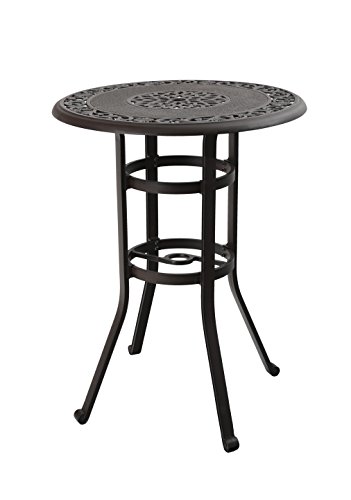
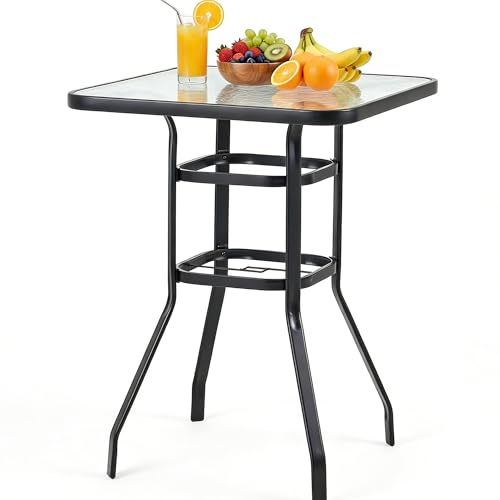
Outdoor High Top Table with Umbrella Hole: The Complete Buying Guide
Everything you need to choose a bar-height patio table with a built-in umbrella hole — covering height standards, frame materials, tabletop options, stability, and shade compatibility for balconies, decks, and patios.
An outdoor high top table with an umbrella hole solves a very specific problem: it gives you the elevated, pub-style seating that makes small patios and balconies feel generous, while the center hole lets a shade canopy rise straight through the tabletop instead of crowding the edges. For anyone researching this category, the decisions come down to a handful of variables — table height, top material, frame construction, base stability, and umbrella compatibility. This guide walks through each of them so you can compare options with confidence and identify the build that fits your space.
Why Choose a High Top Table with an Umbrella Hole?
Bar-height and counter-height tables sit roughly 36 to 42 inches off the ground, putting the tabletop at eye level when you are standing and giving seated guests a slightly elevated view of the yard. That extra height is especially useful on balconies and compact patios, where a standard dining set can feel low and bulky. A high top design reads as lighter and more open, and it works well as a standing conversation spot for casual gatherings.
The umbrella hole is the feature that ties the whole setup together. Instead of buying a separate umbrella stand that eats floor space, the umbrella drops through the center of the table and is anchored by a base beneath it. This keeps the shade directly over the seating area, holds the canopy in line with the table, and removes a trip hazard from the walking path. For sunny exposures and warm afternoons, that centered shade is the difference between a table you use and one you avoid.
If your priority is a compact dining zone rather than a standing bar, the related high top bistro table and chairs format is worth reviewing, and if you want the full set including seating, the high top table and chairs collection covers matched configurations.
Standard Heights: Bar vs. Counter Height
The first specification to lock down is height, because it determines which stools and chairs will actually work with the table. Outdoor high top tables generally fall into two categories:
- Bar height — typically 40 to 42 inches at the tabletop, paired with stools around 28 to 30 inches seat height. This is the classic pub-style arrangement and the most common configuration for a high top table with an umbrella hole.
- Counter height — typically 36 inches at the tabletop, paired with stools around 24 to 26 inches seat height. Slightly easier to climb into and a good middle ground for mixed-age households.
Mixing categories is the most common mistake buyers make. A bar-height table with counter-height stools leaves guests perched too low, and the reverse puts knees against the tabletop. Confirm both numbers before ordering, and note that umbrella poles for bar-height tables are typically longer than those for counter-height or standard dining tables — a detail covered in the umbrella section below.
Tabletop Materials Compared
The tabletop takes the most direct sun, rain, and food contact, so its material drives both durability and the look of the piece. The comparison below uses relative tier descriptors rather than absolute figures, since the same material can span a wide range depending on construction quality.
| Material | Best For | Weather Resistance | Maintenance Level |
|---|---|---|---|
| Powder-coated aluminum | Balconies, coastal areas, humid climates | Excellent — rust-proof finish when coating is intact | Low — wipe down as needed |
| High-grade steel | Windy decks, high-traffic patios | Very good — requires intact coating to prevent rust | Moderate — inspect for chips seasonally |
| Solid wood / eucalyptus | Rustic and farmhouse settings, covered porches | Moderate — needs sealing and seasonal care | High — oil or seal annually |
| Resin / high-density polyethylene | Wet climates, low-maintenance households | Excellent — resists moisture and UV fading | Very low — soap and water |
| Tempered glass | Modern and minimalist patios | Good — but avoid impact and thermal shock | Low — glass cleaner and soft cloth |
| Polywood-style composite | Year-round outdoor exposure | Excellent — engineered for sun and rain | Very low — occasional wash |
For most buyers, powder-coated aluminum is the balanced choice: it is lighter than steel, will not rust through, and holds a finish well. Households that want zero upkeep tend to prefer resin or composite tops. Wood and eucalyptus remain popular for their warmth, but they belong under a covered area or with an owner who is willing to reseal each season.
Frame Construction and Base Stability
A high top table has a higher center of gravity than a standard dining table, which makes the base the single most important structural detail. Three base styles dominate the category:
- Four splayed legs — the classic high top footprint. Look for legs that spread wider than the tabletop; that spread is what resists tipping. Reinforced cross-bracing under the top adds rigidity.
- Pedestal base — a single central column with a weighted foot. This style frees up legroom and pairs naturally with a center umbrella hole, but the foot must be broad and heavy. Many pedestal models accept a sand-fill base weight.
- Trestle or A-frame base — sturdy and stable, often seen on larger bar-height tables. Less common on compact balcony models because the footprint is wider.
Regardless of style, check for a rust-proof finish on welds and joints, and confirm the table is rated for outdoor use rather than covered-porch use. On exposed decks, a base weight or sand-filled stand is a worthwhile addition — the umbrella canopy adds sail area on gusty days, and the table needs to stay planted.
Stability checklist before you buy
- Legs or base spread wider than the tabletop
- Reinforced brackets where the legs meet the top
- Compatible base weight or sand-fill option for windy sites
- Leveling feet for uneven deck boards or pavers
- Rust-proof coating on all welds and hardware
Umbrella Hole Sizing and Shade Compatibility
The umbrella hole is usually between 1.5 and 2 inches in diameter, sized to accept common outdoor umbrella poles. Before pairing a table with a canopy, confirm three things:
- Pole diameter — the umbrella pole must fit through the hole without wobbling. Some tables include a reducer ring for thinner poles.
- Pole length — bar-height tables need longer poles than standard dining tables so the canopy clears the tabletop and seated guests. Look for umbrellas rated for bar or counter height rather than standard height.
- Base anchoring — a base beneath the table is required. Free-standing umbrella bases sized for the canopy's span keep the whole assembly upright in wind.
If you are still deciding between a table-only setup and a full shaded dining arrangement, the high top table and chairs with umbrella package is a practical reference point, and the patio dining table with umbrella hole guide covers the standard-height equivalent. For tables where the shade is paired with a heating element instead, see the high top table with fire pit overview.
Sizing for Balconies, Patios, and Decks
Measure the available footprint first, then leave a clear walking path of at least 24 inches on the sides guests will use to enter and exit. Round high top tables are the most space-efficient because they have no corners to catch a hip, and a 32- to 36-inch round top typically seats two to four comfortably. Square and rectangular tops offer more usable surface for food and drinks but need more clearance.
On balconies, weight matters. Aluminum frames are significantly lighter than steel or solid wood and are easier to reposition for cleaning or storm prep. If the balcony has a solid railing rather than open rails, check local rules on umbrella use before installing a canopy — some buildings restrict them for wind safety. Compact setups are covered in more depth in the apartment balcony furniture guide.
Quality Tiers: What Changes as You Move Up
Rather than framing options by numerical figures, it helps to think in tiers. The descriptors below are relative positions in the market, and they hold up over time regardless of how any single listing changes.
Essential Tier
Basic aluminum or resin frames with simple stamped tops. Good for seasonal use on a covered balcony or as a first patio table. Expect thinner coatings and lighter bases; add a base weight for exposed sites.
Balanced Tier
Reinforced aluminum or high-grade steel frames with powder-coated finishes and sturdier pedestal or splayed-leg bases. The sweet spot for most households: solid build, good weather resistance, and a finish that holds up across seasons.
Top-Tier
Heavy-gauge frames, precision welds, composite or high-grade wood tops, and integrated leveling or base-weight systems. Built for year-round exposure and frequent use; the construction details are visibly tighter throughout.
A useful rule of thumb: mid-range models usually offer noticeably better base stability and coating quality than entry-level pieces, while the jump from mid-range to top-tier is mostly about long-term durability and finish precision. Choose the tier that matches how much sun and rain the table will actually see.
Care and Seasonal Maintenance
A few habits keep a high top table with an umbrella hole in good condition for years:
- Wipe the tabletop after meals to prevent stains from oils, citrus, and sauces.
- Inspect welds, brackets, and coating chips at the start of each season; touch up chips on metal frames to stop corrosion.
- Remove and store the umbrella during high winds and winter storms — the canopy is the most wind-sensitive part of the setup.
- Reseal wood and eucalyptus tops annually, and store cushions indoors when not in use.
- Clean the umbrella hole and any reducer ring so debris does not scratch the pole.
For a broader maintenance routine, the patio furniture with built-in storage guide covers keeping cushions, covers, and small accessories organized between seasons. If you are furnishing the whole area, the outdoor living section collects the related buying guides in one place.
Frequently Asked Questions
What is the standard height of an outdoor high top table?
Most outdoor high top tables fall between 36 and 42 inches in height, which places them at bar or counter height. Bar-height tables are typically around 40 to 42 inches, while counter-height versions sit closer to 36 inches. Always pair the table with stools or chairs designed for the same height category so seating stays comfortable.
Do I need a special umbrella for a high top table with an umbrella hole?
Yes. Because the table sits higher than a standard dining table, a taller umbrella pole and a longer canopy are usually required so the shade clears the tabletop and seated guests. Look for umbrellas explicitly rated for bar or counter height, and confirm the pole diameter matches the hole in your table, which is commonly around 1.5 to 2 inches.
How do I keep a high top patio table stable?
Choose a table with a wide, weighted base or four splayed legs, and place it on a level surface. A base weight or sand-filled stand adds stability on windy days. If your table has a center umbrella hole, a sturdy umbrella stand beneath the table is essential because the umbrella itself can act as a sail in gusty conditions.
Which material is best for an outdoor high top table?
Powder-coated aluminum and high-grade steel offer excellent weather resistance with a lighter frame, while solid wood and eucalyptus bring warmth but need periodic sealing. Resin and high-density polyethylene are the most maintenance-free options and hold up well in wet climates. Match the material to your climate, storage habits, and how much upkeep you are willing to do.
Can a high top table with an umbrella hole be used on a balcony?
Yes, and the format is especially well suited to balconies because it uses vertical space efficiently. Check building rules on umbrella use first, choose a lighter aluminum frame if you need to move the table for cleaning, and use a base weight under the table for wind safety on upper floors.