Outdoor High Top Table with Fire Pit: The Complete Buying Guide
Combine bar-height dining with the warmth of a fire feature. Learn how to pick the right size, fuel type, and construction so your outdoor high top fire pit table becomes the centerpiece of your backyard for years.
Explore Buying GuideWhy this guide exists: If you are researching an outdoor high top table with a built-in fire pit, you likely already know you want one. This guide answers the practical questions — height, materials, fuel, safety, and layout — so you can make a confident, informed purchase rather than guess at specifications.
What Is an Outdoor High Top Fire Pit Table?
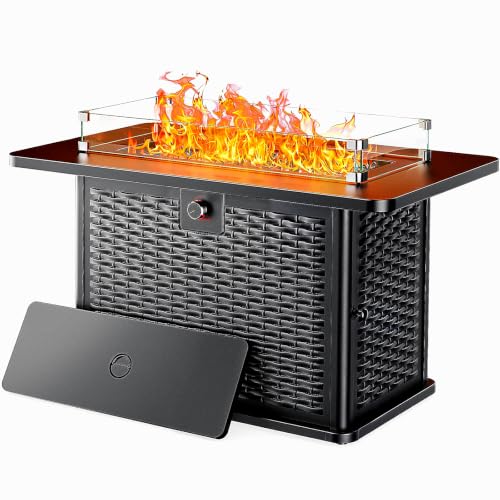
An outdoor high top table with fire pit is a bar-height dining or gathering table with an integrated fire feature, typically placed at the center or along one side. Standard high top tables sit around 40 to 42 inches tall, which puts them at comfortable standing or bar stool height. Integrating a fire pit into this format creates a natural social hub: guests can set down drinks and plates while enjoying warmth and ambiance.
These tables serve a dual purpose. During cooler evenings the fire feature extends usable hours outdoors, and during warmer months it acts as a decorative focal point — often with a lid that converts the burner area into usable tabletop space. If you already plan to equip your yard for year-round use, pairing this piece with a dedicated outdoor heater can cover larger zones, while the table handles intimate seating.
High Top vs. Standard Height: Which Fits Your Space?
The height decision is mostly about how you intend to gather. A high top fire pit table works well for cocktail-style entertaining, smaller footprints, and sight lines that stay open across the patio. A standard dining height table is better for full plated meals and guests who prefer seated dining.
| Format | Best For | Considerations |
|---|---|---|
| High top fire pit table | Cocktails, conversation, compact patios, standing gatherings | Requires coordinated bar-height stools; deeper reach across the table |
| Standard dining height fire pit table | Full meals, families with children, long dinners | Larger footprint; more traditional seating arrangement |
| Low lounge fire table | Lounge seating, coffee-table use, relaxed evenings | Not suited for dining; pairs with sofas and deep chairs |
If your priority is dining plus warmth, compare this format against a full outdoor high dining set with fire pit, which bundles matching chairs and often includes swivel seating. For pure cocktail-hour use with no plated meals, a standalone outdoor high top table and chairs with fire pit keeps the setup simple and cohesive.
Fuel Types: Propane, Natural Gas, and Wood
The fire feature determines convenience, heat output, and installation requirements. Most high top fire pit tables on the market use either propane or natural gas; wood-burning versions exist but are less common in the bar-height format due to smoke management and tabletop design.
Propane
- Self-contained fuel, no gas line required — flexible placement.
- Tank is usually hidden inside the base or under a panel.
- Requires periodic tank swaps and storage of a spare tank.
- Well suited to renters and patios without gas connections.
Natural Gas
- Continuous fuel supply — no tank changes.
- Requires a permanent gas line and professional installation.
- Best for dedicated patios where the table will stay in place.
- Often the choice for premium and commercial-grade builds.
Wood-Burning
- Authentic crackle and aroma, strong radiant heat.
- Needs ash management, spark screens, and safe clearance from combustibles.
- Less predictable heat control than gas.
If your patio furniture arrangement already includes a gas fire pit setup, matching the fuel type across pieces simplifies refueling and keeps a single spare tank strategy. Households that want the lounge side of the yard to match the dining side often pair a gas high top with propane fire pit furniture for the seating group.
Materials and Build Quality
An outdoor table with an open flame demands materials that handle heat, moisture, and UV exposure. Use this tier system to compare builds consistently:
| Tier | Typical Construction | Best For |
|---|---|---|
| Entry-level | Powder-coated steel, lighter gauge frames, basic burner | Seasonal use, covered patios, first-time buyers |
| Mid-range | Aluminum or heavier steel, stainless burner, tempered glass or slat top | Year-round use in moderate climates, frequent entertaining |
| Premium | 316 marine-grade stainless steel, cast aluminum accents, stone or porcelain top | Coastal areas, high-use patios, long-term investment |
| Luxury / commercial-grade | Thick-gauge stainless, integrated ignition systems, sealed stone surrounds | Hospitality settings, exposed locations, flagship installations |
For humid or coastal climates, prioritize stainless burners and rust-proof finishes; mid-range and premium builds generally hold up far better than entry-level coatings. A tempered glass wind guard is worth having in exposed locations — it protects the flame and improves fuel efficiency.
Sizing and Layout
Bar-height tables are typically 40–42 inches tall with tops ranging from compact round models to long rectangular tables. Match the top to your seating:
- Round tops: best for four stools in tight corners or on balconies.
- Rectangular tops: suit six stools and linear patio layouts.
- Square tops: a flexible middle ground for four to six guests.
Plan for roughly 24 inches of clear space per stool and at least 30 inches of walkway behind seating. On smaller balconies, a compact high top bistro set footprint may be the smarter starting point, while larger decks can absorb a full high top patio table and chairs arrangement. If you are mixing this piece into an existing dining zone, review outdoor patio dining sets to avoid duplicate seating and keep proportions consistent.
For a unified look with matching stools, a high top table with swivel chairs reduces the need to source separate bar stools. Round configurations work well in corner nooks — see round high top table and chairs layouts for reference dimensions.
Safety Essentials
Fire features require deliberate placement. Follow these baseline rules regardless of fuel type:
- Keep the table at least 10 feet from structures, low branches, and combustible decor.
- Never place it under a low pergola or fabric umbrella without confirming clearance and heat rating.
- Use a heat-rated mat or patio pavers beneath the unit to protect decking.
- Store propane tanks upright, outdoors, and away from direct sun.
- Keep a fire extinguisher rated for the fuel type within reach.
- Supervise children and pets; glass wind guards get hot.
If you are planning a wider entertainment zone around the table, budget for adequate outdoor lighting so walkways remain visible after dark, and consider patio furniture with a fire pit table if you want the seating group to share the same heat source.
Placement Ideas by Patio Type
Compact Patios and Balconies
Use a round or square high top against a railing with two to four stools. Keep the flame facing the seating side and leave a clear walking path to the door. See outdoor patio furniture for an apartment balcony for space-planning specifics.
Mid-Size Decks
A rectangular table centered on the deck creates a natural conversation hub. Pair with a low lounge zone nearby; the outdoor living room approach keeps dining and lounging visually separate but connected.
Large Backyards
Treat the high top as a secondary gathering point near an outdoor kitchen or grilling station. Review outdoor kitchens and outdoor kitchen layouts to coordinate the flow between cooking and seating.
Maintenance and Seasonal Care
- Cover the table when not in use; a fitted cover protects burners and the top surface.
- Clean stainless burners with a soft brush and mild soap; avoid abrasive pads.
- Inspect gas lines and connections at the start of each season.
- Drain and dry the fire bowl before winter storage; never store a propane tank indoors.
- Touch up powder-coated frames per the manufacturer's guidance to prevent rust creep.
For broader seasonal routines, pair this piece with the maintenance guidance in patio furniture with built-in storage if you plan to store cushions and accessories nearby.
Frequently Asked Questions
What height should bar stools be for a high top fire pit table?
For a 40–42 inch tabletop, choose stools with a seat height of roughly 28–30 inches. Measure the table's actual top height and allow 10–12 inches between seat and tabletop for comfortable legroom.
Can I use a high top fire pit table under a pergola?
Only if the structure has adequate vertical clearance and the manufacturer permits it. Heat rises and can damage low beams or fabric canopies. Check the clearance specification and keep the flame away from overhead combustibles.
Propane or natural gas — which is better for a patio table?
Natural gas suits permanent installations with a gas line and avoids tank swaps. Propane offers placement flexibility and suits renters. Both provide similar heat output when sized correctly.
How much clearance do I need around the table?
Allow about 24 inches per stool and at least 30 inches of walkway behind seating. Keep the fire feature at least 10 feet from structures and low vegetation.
Do these tables come with a lid to cover the burner?
Many mid-range and premium models include a lid or cover that converts the fire area into usable tabletop. Confirm the lid seats flush and is rated for the heat output.
How do I protect the deck beneath the table?
Use a heat-rated mat, fire-resistant pad, or patio pavers under the unit. Avoid placing the table directly on composite decking without a barrier.
Bottom Line
An outdoor high top table with fire pit is a smart choice when you want conversation-friendly seating, a compact footprint, and warmth that extends evenings. Prioritize fuel type and burner quality first, then size and seating, and finally the finish that suits your climate. Buyers who entertain often will get the most from a mid-range or premium build with a stainless burner and a well-fitted lid.