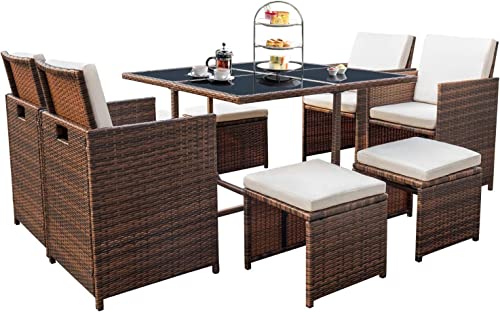
Outdoor Patio Furniture Table and Chairs: The Complete Buying Guide
Everything you need to know before choosing an outdoor dining set — from table shapes and seating capacity to weather-resistant materials and long-term care. Research first, buy with confidence.
Start the GuideWhy this guide matters: An outdoor patio furniture table and chairs set is one of the most-used purchases you will make for your home. It anchors backyard meals, family gatherings, and quiet morning coffees. Because it lives outside, the details that matter most — frame material, finish quality, table stability, and cushion drainage — are rarely obvious at first glance. This guide walks you through each decision so you can evaluate any set on the market with a clear, informed eye.
Anatomy of a Great Outdoor Dining Set
A well-built patio table and chairs set is more than a tabletop and four seats. Before comparing styles, understand the four structural components that determine how a set performs season after season:
- Frame construction. Welded aluminum, stainless steel, or solid hardwood form the skeleton. Look for reinforced joints and cross-bracing under the table; these prevent wobble on uneven patios and decks.
- Tabletop material. Slatted wood, porcelain tile, tempered glass, and powder-coated metal each behave differently in sun, rain, and wind. Slatted tops drain quickly; glass needs a breathable cover in freezing climates.
- Chair ergonomics. Seat height, back angle, and armrest clearance affect comfort during long dinners. A seat height of roughly 17–18 inches pairs with standard dining tables; counter and bar sets sit noticeably higher.
- Finish and hardware. Powder-coated finishes resist chipping, while stainless hardware prevents rust streaks at bolt points. These small details separate a set that lasts a decade from one that fades in two summers.
If you are still mapping out the broader layout of your yard, our outdoor living hub covers how dining zones connect with lounging and cooking areas.
Sizes and Seating Capacity: Match the Set to Your Space
The most common buying mistake is choosing a set that looks right in a showroom but crowds the actual patio. Use these planning rules before you shop:
- Clearance rule. Leave at least 30 inches (about 76 cm) of open space between the table edge and any wall, railing, or planter so chairs can pull out comfortably.
- Per-person width. Budget roughly 24 inches of table edge per diner. A 48-inch round table comfortably seats four; a 60-inch round table seats six.
- Rectangular sets. A 60-inch rectangular table typically seats six, while 72 inches and longer accommodates eight. Confirm chair widths — wide armchairs reduce usable seating.
- Small spaces. Bistro sets and two-seat configurations work well on balconies. See our dedicated guide to patio furniture for apartment balconies for compact layouts.
- Multi-purpose tables. Drop-leaf and extension tables adapt between everyday use and entertaining without permanently claiming floor space.
Pro tip: Tape the table's footprint onto your patio with painter's tape, then place existing chairs around it. This five-minute exercise reveals crowding issues that photos and product listings never show.
Table Shapes Explained: Round, Rectangular, and Square
Shape affects conversation flow, traffic patterns, and how many people fit comfortably:
- Round tables. Encourage conversation and have no corners to navigate around. Ideal for four to six diners and compact footprints.
- Rectangular tables. Maximize seating along a wall or on a long deck. Best for six to eight diners and buffet-style serving.
- Square tables. Space-efficient for four and easy to pair two together for larger gatherings. A natural fit for smaller patios.
- High-top and bar-height sets. Raise sightlines and suit casual entertaining. Browse our high-top table and chairs collection if standing-height dining appeals to you.
If your patio doubles as a lounge area, consider sets that combine dining and seating — for example, an L-shaped couch with a dining table bridges both functions in one footprint.
Materials and Durability: What Survives the Outdoors
Material choice is the single biggest predictor of how your set ages. Here is how the main options compare:
Powder-Coated Aluminum
Lightweight, rust-resistant, and easy to move. High-grade aluminum frames with a powder-coated finish handle humidity and coastal air well. Entry-level aluminum can feel light in strong wind; mid-range and premium frames use thicker gauge tubing and reinforced welds.
Teak and Eucalyptus Hardwood
Naturally weather-resistant woods develop a silver patina over time and can be oiled to retain their warm tone. They are heavier than aluminum but exceptionally stable. Our guides on eucalyptus outdoor furniture explain how these woods perform over multiple seasons.
Cast Aluminum and Cast Iron
Ornate cast aluminum offers a classic look without the weight of iron. It resists rust but chips if struck; touch-up paint protects the finish. Cast iron is extremely stable but heavy and requires seasonal rust checks.
Resin, Wicker, and Recycled Plastic
High-density resin and all-weather wicker resist moisture and UV fading and require minimal care. They are a strong choice for households that prefer low-maintenance outdoor furniture. Learn more about patio furniture made from recycled plastic.
Glass and Tile Tabletops
Tempered glass is easy to wipe clean and reflects light beautifully, but it shows water spots and needs careful handling in freezing weather. Porcelain tile tops resist scratching and heat, making them popular for year-round dining.
Quality Tiers: A Framework Without the Guesswork
Rather than comparing numbers, shoppers should compare construction tier. The framework below uses universal descriptors that stay meaningful regardless of market conditions:
Essential Tier
Lightweight aluminum or resin frames with basic sling or thin cushion seating. A solid choice for balconies, rental properties, or seasonal use where the set is stored part of the year.
Balanced Tier
Thicker frames, better welds, and denser cushions with quick-dry foam. Typically offers the best combination of comfort, durability, and design variety for everyday family use.
High-End Tier
Solid hardwood, cast aluminum, or commercial-grade frames with solution-dyed fabrics and reinforced joinery. Built as a long-term investment for full-time outdoor living.
As a rule of thumb, mid-range sets usually offer smoother table mechanisms and more refined finishes than entry-level models, while premium sets focus on longevity, repairability, and fabric performance under continuous sun exposure.
Side-by-Side Comparison
Use this table to shortlist configurations based on how you actually entertain:
| Configuration | Best For | Tier Guidance | Key Consideration |
|---|---|---|---|
| 4-seat round set | Small patios, couples, morning coffee | Essential to balanced tier | Confirm chair pull-out clearance around the full circle |
| 6-seat rectangular set | Family dinners and casual entertaining | Balanced tier | Choose slatted tops for fast drainage |
| 8-seat extension table | Large gatherings and holidays | High-end tier | Check frame rigidity when fully extended |
| High-top bar set | Casual drinks and poolside socializing | Essential to balanced tier | Stool stability and footrest comfort matter most |
| Fire pit dining set | Evening use in cooler months | Balanced to high-end tier | Verify heat clearance and fuel type |
If warmth and ambiance are priorities, explore patio dining sets with a fire pit to extend your outdoor dining season.
Umbrella and Shade Options
Many outdoor dining tables include a pre-drilled umbrella hole, usually capped when unused. Before buying, check three details:
- Hole diameter. Standard poles run about 1.5 inches, but confirm the measurement matches your umbrella.
- Base weight. A weighted base is essential; wind can topple a freestanding umbrella onto the table.
- Clearance. Ensure the umbrella canopy does not collide with nearby walls, pergolas, or hanging lights.
For sets without a built-in hole, a cantilever umbrella provides flexible shade without occupying table space. Browse our patio furniture sets with umbrella for ready-made shade pairings, and consider outdoor lighting to keep the table usable after sunset.
Care and Maintenance: Protecting Your Investment
A quality set rewards a small amount of routine care:
- Weekly: Wipe tabletops with mild soap and water; rinse pollen off frames before it bakes into the finish.
- Monthly: Tighten bolts and inspect welds. Lubricate swivel or folding mechanisms on chairs.
- Seasonally: Deep-clean cushions and allow them to dry fully before storage. Apply wood sealer to hardwood frames if you want to preserve their original tone.
- Winter: Use breathable covers rather than plastic sheeting, which traps condensation and promotes mold.
For a deeper seasonal routine, read our weatherproofing guide. If you are refreshing an existing set, patio chair cushions and replacement cushions can extend the life of chairs whose frames remain sound.
Frequently Asked Questions
What size patio table and chairs set fits a small deck?
For a small deck or balcony, look for a bistro-style set or a compact four-seat round table. Measure the usable footprint first and leave at least 30 inches of clearance around the table for chair pull-out.
Which material is best for outdoor patio furniture table and chairs?
Powder-coated aluminum is lightweight and rust-resistant, teak and eucalyptus offer natural warmth with proper sealing, and high-density resin is durable for year-round exposure. The best choice depends on your climate and how much maintenance you are willing to do.
How many chairs should an outdoor dining table seat?
Allow roughly 24 inches of table edge per person. A 48-inch round table seats four, a 60-inch round table seats six, and rectangular tables typically seat six to eight depending on length.
Do patio table and chair sets come with an umbrella hole?
Many outdoor dining tables include a pre-drilled umbrella hole, often with a removable cap. Confirm the hole diameter matches your umbrella pole, and pair it with a weighted base for stability.
Ready to Compare Your Shortlist?
Scroll to the recommended products below to view configurations, materials, and features side by side. Check availability and explore options that match the tier and size you have settled on.
View Recommended Sets