Outdoor Rectangular Table: The Complete Buying Guide
Everything you need to pick the right size, material, and setup for a rectangular patio or deck table — from seating capacity to umbrella compatibility.
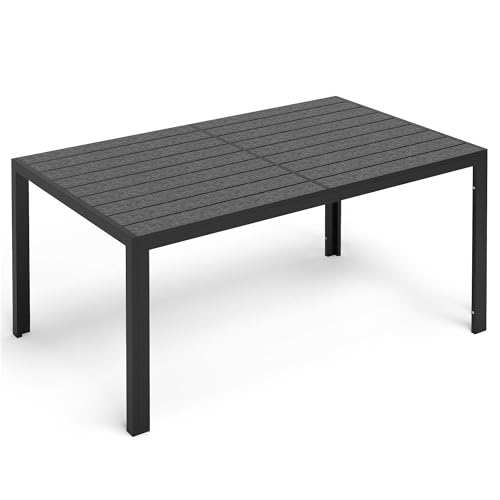
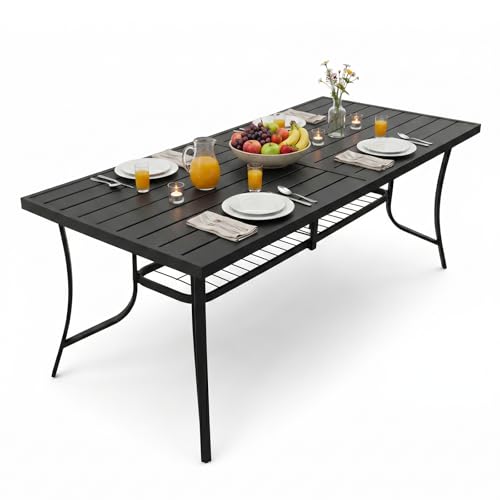
START WITH SIZESAn outdoor rectangular table is one of the most practical anchors for a backyard, deck, or patio dining area. The rectangular shape lines up naturally with the edges of a deck, fits more seats along a long run of table edge, and leaves useful floor space at the corners. That is why it remains the default choice for family dining, weekend entertaining, and everyday outdoor meals.
But there is more to choosing one than picking a shape you like. Size, material, leg configuration, umbrella compatibility, and how the table interacts with your seating all determine whether the piece feels right after the first season. This guide walks through those decisions in the order most buyers make them, so you can move from research to a confident choice.
Sizing an Outdoor Rectangular Table
The single most important decision is length. A rectangular table seats people along its long sides, so length maps directly to seating capacity. As a working rule, plan for roughly 24 inches of table edge per adult diner. That gives each person room for a plate, a glass, and elbow space without crowding the neighbor.
Typical length-to-seating mapping
- 48 inches long: seats 4 comfortably, 6 tightly. Best for a small balcony or a two-person household that occasionally hosts.
- 60 inches long: the classic six-seat length. Works well for a family of four plus two guests.
- 72 inches long: seats 6 with generous room, or 8 if the table is at least 36 inches wide and the chairs are slim.
- 84 to 96 inches long: seats 8 to 10. Best for dedicated dining patios or large decks.
Width matters too. Standard outdoor rectangular tables run 36 to 40 inches wide. Narrower tables (around 30 inches) work for two-seat rows but feel tight when serving dishes sit in the middle. Wider tables (40 to 44 inches) improve shared-platter dining but need more clearance around the perimeter.
Quick measurement tip: Tape out the table's footprint on your patio before buying. Then tape out the chair pull-out zone on each side. If the two zones overlap a doorway or a grill, you have found the real constraint before the table arrives.
If your outdoor space is tight or you want a taller dining setup, a high-top patio table and chairs may be a better fit than a standard-height rectangular table. For a more open, flexible seating arrangement nearby, see the broader patio table and chairs options.
Rectangular vs. Round vs. Oval: What Changes
Shape affects seating, traffic flow, and how a table fits against railings and walls. Here is how the three common shapes compare for outdoor use.
| Shape | Best For | Seating Behavior | Space Notes |
|---|---|---|---|
| Rectangular | Deck edges, long patios, family dining, buffet-style serving | Linear rows; easy to seat 6 or more | Fits parallel to railings and walls; corners stay open |
| Round | Small patios, conversation-focused meals, tight corners | Equal access from all sides; no head-of-table | Needs less perimeter clearance for the same seat count |
| Oval | Large gathering spaces with softer visual lines | Seats like a rectangular table but with rounded ends | Takes more footprint than a rectangular table of the same length |
For most rectangular patios and decks, the rectangular form is the most space-efficient way to get six or more seats without a lot of wasted perimeter. If your space is square or oddly shaped, a round dining table set for six can sometimes fit better than a long rectangle.
Material Comparison for Outdoor Rectangular Tables
Material determines weight, maintenance, weather resistance, and how the table feels in use. Each option below lists its practical strengths and trade-offs.
Powder-coated aluminum
Aluminum is the most common frame for outdoor rectangular tables because it is light enough to move, naturally rust-resistant, and accepts a durable powder-coated finish. A quality aluminum table can stay outside year-round in most climates. It does not feel as solid as hardwood, and lighter frames can shift in strong wind unless weighted.
Teak and other hardwoods
Teak, eucalyptus, and acacia bring a premium look and a warm, solid feel. Teak in particular resists moisture and insects well when properly finished. Wood tables need periodic sealing and should be covered or stored during harsh winters to prevent cracking and graying.
Resin and poly lumber
Resin and high-density poly tables are low-maintenance, weatherproof, and resistant to rot and insects. They are heavier than aluminum and can fade over many years, but they are a strong choice for households that want minimal upkeep. Many entry-level and mid-range rectangular tables use this material.
Powder-coated steel
Steel frames are heavy-duty and stable, making them a good fit for high-wind areas or commercial-style patios. The trade-off is weight and the need to inspect for rust at welds and joints. A well-finished steel table is durable, but it requires more attention than aluminum in humid climates.
Glass tops
A tempered glass top over an aluminum or steel frame gives a clean, modern look and is easy to wipe down. Glass tables show water spots and pollen quickly, and they need a scratch-free cleaning routine. They pair well with rectangular aluminum frames for a light visual footprint.
Material shortcut: choose aluminum for easy handling and all-weather durability, wood for a premium look and feel, resin for low maintenance, and steel for heavy-duty stability. Match the material to the climate and to how often you are willing to maintain the table.
Umbrella Holes and Shade Planning
If your rectangular table sits in direct sun for a large part of the day, an umbrella hole is a practical feature. A center hole lets a standard market umbrella pass through the table, so shade lands directly over the dining area. Tables without a hole can still be shaded with an offset or cantilever umbrella, but that solution takes more floor space behind the chairs.
When an umbrella hole makes sense
- The table is in full sun during lunch or late afternoon.
- You want shade centered over the table, not beside it.
- You prefer a standard market umbrella over a cantilever model.
- You plan to leave the umbrella up for most of the season.
When it may not be necessary
- The table sits under a pergola, awning, or covered patio.
- You already use a cantilever umbrella that covers the dining zone.
- You move the table frequently and prefer a simpler frame.
Umbrella holes typically run 1.5 to 2 inches in diameter and require a compatible base or weighted stand. If you want the hole plus a wider rectangular shape for shade, look at rectangular tables with an umbrella hole as a starting point. For a table-and-umbrella bundle, see patio table and chairs with umbrella.
Placement, Clearance, and Chair Pairing
A rectangular table only works if people can pull chairs out and walk behind them. Plan for at least 36 inches of clearance on every side. In high-traffic zones or when a serving cart is nearby, 42 to 48 inches is more comfortable. Measure from the table's outer edge, not the frame center.
Chair pairing basics
- Armchairs need more pull-out space; allow 6 to 8 inches more per side than armless chairs.
- Bench seating on one side frees up clearance and creates a casual look, but it limits individual adjustability.
- Chair seat height should match the table's apron height; a standard dining table pairs with standard dining chairs, while a counter-height table needs counter-height stools.
- Table leg placement matters: corner legs maximize legroom, while trestle bases can interfere with knees at the ends.
On a deck, orient the long side of the table parallel to the railing to keep the walkway clear. On a patio, pull the table slightly away from walls so chairs at the ends have room to slide out. If your patio is part of a larger outdoor room, coordinate the table with the surrounding outdoor patio furniture so circulation paths stay open.
For a full dining-and-lounge layout, a complete patio set may cover more of your needs than a standalone table. If you plan to add a fire feature nearby, patio table sets with a fire pit can combine dining and evening warmth in one footprint.
Quality Tiers Without the Guesswork
Buyers often ask how rectangular tables differ across the market. Instead of price bands, use tier descriptors that describe construction and intended use. The tiers below are consistent and do not depend on current market conditions.
| Tier | Typical Construction | Best For |
|---|---|---|
| essential tier | Lightweight aluminum or resin frame, basic powder coat, thinner top | Occasional use, small balconies, seasonal setups |
| balanced tier | Reinforced aluminum or poly lumber, better hardware, UV-resistant finish | Regular family dining, most residential patios |
| premium tier | Heavy-gauge aluminum or hardwood, rust-proof finish, sturdier bracing | Frequent entertaining, exposed locations, long-term use |
| top-tier | Commercial-grade steel or premium hardwood, reinforced welds, thick tops | High-use patios, restaurant-style seating, windy sites |
Balanced-tier models usually offer the most sensible mix of durability and manageable weight for a residential deck. Premium and top-tier tables are worthwhile investments when the table will be used daily or will stay outdoors year-round in a demanding climate.
Final Buying Checklist
Before you commit, run through this list. It catches the issues that are hardest to fix after delivery.
- Confirm the table length seats the number of people you actually host.
- Measure 36 inches of clearance on every side; 42 to 48 inches in walkways.
- Check whether the frame uses aluminum, steel, wood, or resin, and whether the finish is rated for your climate.
- Decide if you need an umbrella hole or will use a cantilever umbrella.
- Match chair height to table height, and confirm armchairs have pull-out room.
- Check leg placement for knee room at the ends of the table.
- Review the weather-resistance and warranty terms for the frame and finish.
- Plan winter storage or a fitted cover if your climate has freezing winters.
- Confirm assembly requirements and whether the table ships in multiple boxes.
Ready to Compare Outdoor Rectangular Tables?
Use the checklist above to narrow your options, then explore matched table-and-chair sets and shade-friendly configurations.
EXPLORE TABLE & CHAIR SETSFrequently Asked Questions
What size outdoor rectangular table seats six people comfortably?
A rectangular table measuring roughly 60 to 72 inches in length and 36 to 40 inches in width typically seats six adults comfortably, allowing about 24 inches of table edge per person.
Do I need an umbrella hole in my outdoor rectangular table?
An umbrella hole is worth having if your table sits in direct sun for long periods. It lets you add a through-table umbrella for shade without moving the table. Tables without a hole can still use offset or cantilever umbrellas.
Which material is best for an outdoor rectangular table?
Aluminum is lightweight and rust-resistant, making it a strong all-round choice. Teak and other hardwoods offer a premium look with proper sealing. Resin and poly lumber are low-maintenance and weatherproof. Powder-coated steel is heavy-duty but needs rust checks.
How much clearance should I leave around a rectangular patio table?
Leave at least 36 inches of clearance on all sides so chairs can pull out and people can walk behind them. For high-traffic areas or serving carts, 42 to 48 inches is more comfortable.
Can an outdoor rectangular table stay outside all year?
It depends on the material and finish. Powder-coated aluminum, resin, and poly furniture handle year-round exposure well. Wood needs sealing and ideally a cover during harsh winters. Always check the manufacturer's weather-resistance rating.