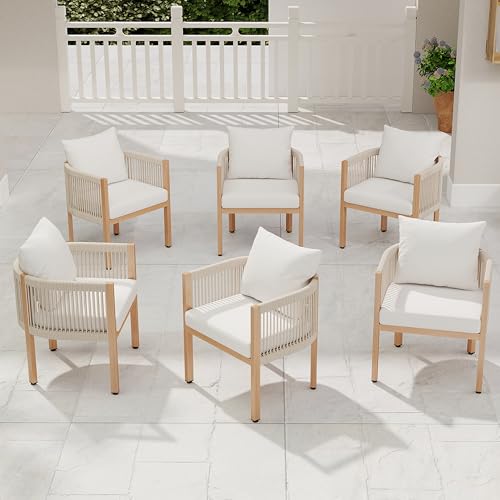
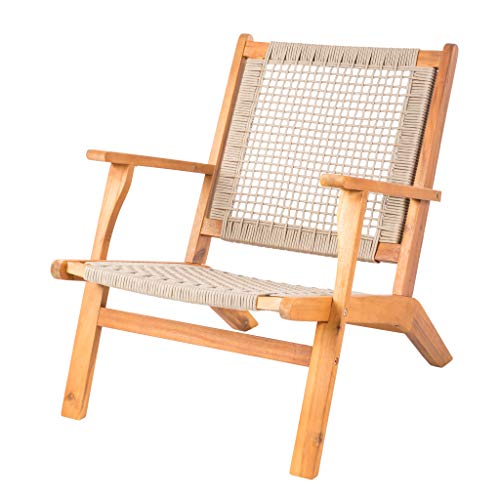
Outdoor Rope Chairs: Complete Buying Guide & Style Tips
Everything you need to know about woven rope seating for your patio — materials, construction, comfort, care, and how to choose the right chair for your outdoor space.
Why rope chairs deserve a closer look: Outdoor rope chairs blend artisan craftsmanship with modern weather engineering. The woven rope creates a breathable, visually light seat that feels at home in coastal, bohemian, modern, and transitional patios alike. But not all rope chairs are built the same — the rope type, frame material, and weave density determine comfort, durability, and long-term performance. This guide walks you through each factor so you can choose with confidence.
What Are Outdoor Rope Chairs?
Outdoor rope chairs are seating pieces constructed with a metal frame — usually aluminum or steel — wrapped or woven with rope made from synthetic or natural fibers. The rope forms the seat, backrest, and sometimes the armrests, creating a flexible, supportive surface that conforms gently to the body. Unlike solid wicker or resin chairs, rope chairs have an open weave that allows air to circulate, which keeps the seat cooler in warm weather and helps moisture evaporate after rain.
The design language of rope chairs ranges from tightly woven, tailored silhouettes for modern dining sets to loose, relaxed weaves for lounge and accent seating. This versatility is why rope chairs appear in both formal outdoor dining rooms and casual poolside lounging areas. If you are building a complete outdoor seating plan, rope chairs can serve as dining seats, accent chairs, or even as part of a larger outdoor patio set arrangement.
Rope Materials: What You Need to Know
The performance of an outdoor rope chair is largely determined by the rope fiber. Here is how the main options compare:
| Rope Type | Weather Resistance | Comfort & Feel | Best For |
|---|---|---|---|
| Olefin | Excellent — UV stabilized, moisture resistant, quick drying | Soft yet supportive, holds shape well | Entry-level to mid-range outdoor chairs; high-sun areas |
| Polyester | Very good — resistant to fading and mildew | Smooth, slightly firmer weave | Mid-range to premium dining and lounge chairs |
| Nylon | Good — strong and abrasion resistant, but can degrade in prolonged UV | Elastic, comfortable, lightweight | Accent chairs and decorative styles in covered areas |
| Natural Jute / Cotton | Limited — absorbs moisture, prone to mildew and UV damage | Organic texture, very comfortable initially | Indoor or covered porch use only; not recommended for full outdoor exposure |
For most outdoor applications, synthetic rope is the practical choice. Olefin and solution-dyed polyester are the most common fibers in quality patio rope chairs because the color is integrated into the fiber rather than applied as a surface dye, which means better fade resistance over time. If you are considering a natural-fiber look, reserve those chairs for covered areas and treat them as seasonal pieces.
Material tip: Look for rope described as "solution-dyed" or "UV-stabilized." These terms indicate that the color and weather protection are built into the fiber, not just coated on the surface — a key differentiator between entry-level and premium rope chairs.
Frame Construction: The Backbone of Comfort
The rope may be what you see, but the frame is what carries the load. Outdoor rope chairs typically use one of two frame types:
- Powder-coated aluminum: The most common frame for quality rope chairs. Aluminum is lightweight, rust-proof, and easy to move. Powder coating adds a durable, scratch-resistant color layer. This is the standard for mid-range through luxury rope seating.
- Powder-coated steel: Heavier and more rigid than aluminum. Steel frames can feel more stable in larger chairs, but require a high-quality coating to prevent rust at weld points and scratches. Often found in entry-level and mid-tier models.
Regardless of frame type, inspect the weld joints and the points where the rope meets the frame. Reinforced connections and tight, consistent wrapping are signs of solid build quality. A well-constructed frame will outlast the rope itself, and on premium chairs, the rope is often replaceable — a worthwhile feature if you plan to keep the chairs for many seasons.
Types of Outdoor Rope Chairs
Rope construction appears across several chair categories. Here is how to match the style to your needs:
Rope Dining Chairs
These are designed to pair with outdoor dining tables. They typically have a higher, more upright back and a seat height that fits standard dining tables (around 17–19 inches from floor to seat). Rope dining chairs are often stackable or lightweight for easy rearranging. If you are outfitting a dining area, look for a set that includes a table with the right proportions — for example, an outdoor patio table and chairs configuration where the rope chairs tuck neatly underneath.
Rope Lounge and Accent Chairs
Lounge rope chairs have a deeper seat, a reclined back, and often a wider profile for relaxed seating. They work well as standalone accent pieces or paired with a side table and an outdoor rug to define a conversation zone. Some lounge rope chairs include a matching ottoman or footstool for full-body relaxation.
Rope Bar and Counter Stools
Rope bar stools bring the woven aesthetic to high-top seating. They pair with bar-height tables and outdoor kitchen counters. Check that the footrest is reinforced and that the seat height matches your counter or table — standard bar height and counter height are not interchangeable.
Rope Swivel and Rocking Chairs
Swivel rope chairs add motion and are popular on decks and patios where you want to change orientation easily. Rocking rope chairs combine the woven look with a gentle motion, though the rocking mechanism adds complexity to the frame. If motion seating appeals to you, compare the frame design carefully — a rope chair with a swivel base needs a heavier, more stable frame than a static chair.
Comfort and Ergonomics
Rope chairs are often described as surprisingly comfortable because the weave has a slight give that distributes weight and conforms to the body. However, comfort varies with a few design details:
- Weave density: A tighter weave provides firmer support; a looser weave feels softer but may sag over time.
- Seat depth and back angle: Dining chairs should keep you upright and close to the table. Lounge chairs should recline enough to take weight off the lower back without requiring you to slide forward.
- Cushions: Many rope chairs are designed to be used with seat and back cushions. If cushions are included, check that the covers are removable and washable. If they are not included, choose cushions sized to the chair — an outdoor seat cushion in 24 x 24 is a common size for wider lounge rope chairs, but always measure first.
- Armrest height: Armrests should support your forearms when seated without forcing your shoulders up. On dining chairs, armless designs allow the chair to tuck under the table more easily.
Weather Resistance and Care
Quality rope chairs are built to handle sun, rain, and temperature swings, but they are not maintenance-free. Here is a practical care routine:
Routine Cleaning
Dust and pollen collect in the weave. Use a soft brush or a vacuum with a brush attachment to loosen debris, then wash with mild soap and water. Rinse thoroughly — soap residue can attract dirt — and let the chair air dry in a shaded, ventilated area. Avoid pressure washing, which can fray the rope and strip protective coatings.
Seasonal Protection
During heavy rain or off-season storage, cover the chairs with breathable furniture covers. Breathable fabric prevents condensation from being trapped against the rope, which is important because trapped moisture is the main cause of mildew even on synthetic rope. If the chairs stay outside year-round, inspect the frame and rope at the start of each season for loose wraps, fraying, or coating damage.
Stain and Mildew Treatment
For stubborn stains, a diluted solution of mild detergent and water is usually sufficient. For mildew, a solution of one part white vinegar to three parts water applied with a soft brush can help, followed by a thorough rinse and full drying. Always test any cleaning solution on a hidden area first.
Long-term care: Store cushions indoors when not in use, and bring rope chairs into a covered area during extreme weather. Even weather-resistant rope lasts longer when it is not continuously exposed to harsh conditions. Think of care as an investment that keeps the chair comfortable and structurally sound for many seasons.
Style and Placement Ideas
Rope chairs are visually versatile. The open weave reads as light and airy, so they work well in small spaces where solid furniture would feel heavy. Here are a few placement strategies:
- Coastal and nautical: Pair white or natural-toned rope chairs with blue and white textiles, weathered wood tables, and a striped outdoor rug.
- Modern and minimalist: Choose rope chairs with a clean, geometric weave and a dark or neutral frame. Keep surrounding furniture low-profile and let the chair's texture be the focal point.
- Bohemian: Combine rope chairs with layered textiles, potted greenery in an outdoor planter, and warm-toned cushions. The woven texture fits naturally with eclectic, plant-filled patios.
- Dining areas: Rope dining chairs with a matching rope-back bench or a mix of rope and solid chairs create a relaxed but intentional dining set. Ensure the table height and chair seat height align for comfortable eating.
Because rope chairs have a distinctive texture, they can anchor a design scheme without needing bold colors. If your patio already has strong patterns, choose a simple rope weave; if the patio is neutral, a textured rope chair adds visual interest on its own.
How to Choose the Right Outdoor Rope Chair
Use this checklist to narrow your options:
- Measure your space: Account for the chair's footprint plus clearance for walking and pulling the chair in and out from a table. Dining chairs need roughly 24 inches of width per seat; lounge chairs need more breathing room.
- Match the chair to the table or counter: Seat height must align with your dining table or bar. Standard dining height, counter height, and bar height are not interchangeable.
- Check the rope and frame specs: Look for UV-stabilized synthetic rope and a powder-coated aluminum frame for the best balance of weight, weather resistance, and longevity.
- Consider cushions: Decide whether you want built-in cushion compatibility, included cushions, or a chair designed to be comfortable without cushions.
- Plan for storage and care: If you cannot store the chairs under cover during extreme weather, prioritize models with proven weather resistance and invest in breathable covers.
Rope Chair Tiers at a Glance
To set expectations, here is how rope chairs generally differ across market tiers. This is a relative comparison — not a reference to any specific product or figure.
| Tier | Typical Rope & Frame | Comfort & Finish | Best For |
|---|---|---|---|
| Entry-level | Synthetic rope with basic UV treatment; lightweight powder-coated steel or aluminum frame | Firmer weave, simpler finish, fewer cushion options | Occasional use, covered patios, first outdoor setup |
| Mid-range | Solution-dyed olefin or polyester rope; powder-coated aluminum frame with reinforced joints | Smoother weave, better shape retention, removable cushion covers common | Regular family use, mixed sun and shade |
| Premium | High-density solution-dyed rope; precision-welded aluminum frame; replaceable rope on some models | Refined weave consistency, ergonomic shaping, premium cushion fabrics | Full-season outdoor living, design-focused patios |
| Luxury / commercial-grade | Engineered rope with advanced UV and moisture resistance; heavy-duty frame with commercial warranty | Exceptional comfort, tailored detailing, long service life | High-use entertaining areas, hospitality settings |
As you move up the tiers, the differences show up in weave consistency, frame rigidity, cushion quality, and the availability of replacement parts. A mid-range rope chair is often the sweet spot for homeowners who want durable, comfortable seating without the complexity of commercial-grade furniture. Premium models make sense when the chairs will be used daily and exposed to the elements year-round.
Common Mistakes to Avoid
- Ignoring seat height: A beautiful rope chair that does not fit your table is a daily frustration. Measure before you commit.
- Choosing natural fiber for exposed patios: Natural jute and cotton rope degrade quickly outdoors. Use them only in covered, protected areas.
- Overlooking cushion sizing: Cushions that are too thick can change the seat height and make a dining chair unusable at the table. Measure the seat and choose accordingly.
- Skipping the care plan: Even the best rope chair benefits from covers and seasonal cleaning. A small routine prevents bigger problems.
- Buying based on looks alone: Weave density, frame material, and joint construction determine how the chair performs after a season or two. Check the build, not just the silhouette.
Ready to explore rope chairs for your patio? Browse our recommended outdoor rope chair options below and compare features, materials, and styles to find the right fit for your space.
View Recommended Rope ChairsFrequently Asked Questions
Are outdoor rope chairs weather-resistant?
Yes, most outdoor rope chairs are built with synthetic rope made from olefin, polyester, or nylon that resists moisture, UV fading, and mildew. The frame is typically powder-coated aluminum or steel, which adds to the weather resistance. Quality varies by tier, so check the specific materials and warranty before choosing.
How do I clean outdoor rope chairs?
Use a soft brush or vacuum to remove loose debris, then wash the rope with mild soap and water. Rinse thoroughly and let it air dry. Avoid harsh chemicals and pressure washing, which can damage the rope weave and coating. For deeper cleaning, consult the manufacturer's care instructions.
What is the difference between natural and synthetic rope for patio chairs?
Natural rope, such as jute or cotton, offers an organic look but degrades quickly outdoors due to moisture and UV exposure. Synthetic rope, such as olefin or polyester, is engineered for outdoor use with UV stabilizers and moisture resistance, making it the practical choice for patio furniture.
Can outdoor rope chairs be left outside all year?
Many high-end and premium rope chairs are designed for year-round outdoor use, but extended exposure to harsh weather can shorten their lifespan. Using furniture covers during off-seasons and storing cushions indoors will help preserve both the rope and the frame.
How do I choose the right size rope chair for my patio?
Measure your available space and account for walkways and table clearance. Dining rope chairs typically need about 24 inches of width per seat, while lounge and accent chairs vary more. Consider the chair's footprint, armrest height, and whether it will tuck under a table.
Final Thoughts
Outdoor rope chairs are a smart choice for homeowners who want seating that is visually light, comfortable, and built for the outdoors. The key is to look past the surface: choose weather-rated synthetic rope, a sturdy powder-coated frame, and a weave that suits the way you actually use your patio. Whether you are outfitting a dining area, a quiet reading corner, or a full outdoor living room, the right rope chair can tie the space together — and with proper care, it will stay comfortable and good-looking for years. If you are still planning your layout, start with our outdoor patio furniture overview to see how rope chairs fit into a complete outdoor setup.