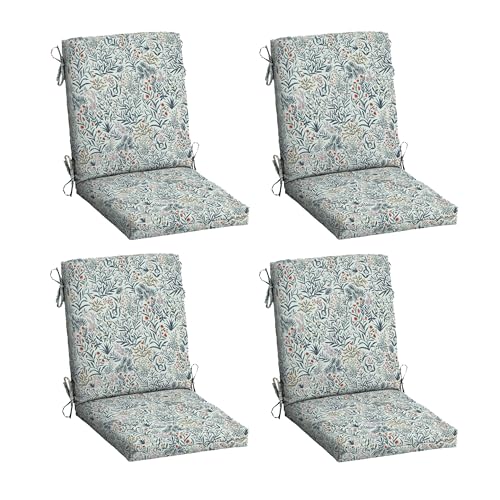
Patio Chairs With Cushions Set of 4: The Complete Buying Guide
Everything you need to know before choosing a coordinated set of four cushioned patio chairs — frame materials, cushion construction, layout planning, and long-term care.
Start the GuideWhy a set of four? A four-chair configuration is the most versatile seating count for residential patios. It comfortably seats a family of four, supports a small gathering of friends, and pairs naturally with round, oval, and rectangular dining tables. If you have been researching patio chairs with cushions set of 4 options, this guide will help you evaluate the details that actually matter.
Below, we break down frame construction, cushion quality tiers, material trade-offs, and practical layout advice so you can make a confident decision for your outdoor space.
Why a Coordinated Set of 4 Cushioned Chairs Makes Sense
Buying four chairs as a matched set offers practical advantages over assembling individual pieces. The frames share identical dimensions, so seating heights and arm profiles align cleanly around a table. Cushions are cut from the same fabric lot, which means color consistency across all four seats — a detail that becomes obvious when chairs are placed side by side.
Matched sets also simplify maintenance. When fabrics, finishes, and hardware are identical, cleaning routines and replacement parts stay straightforward. And from a design standpoint, a repeated chair silhouette creates visual rhythm, which is why coordinated seating is a cornerstone of well-planned outdoor patio layouts.
Key Factors When Choosing a Set of Four
1. Frame Material and Build Quality
The frame determines how long your chairs remain stable, how much they weigh, and how they handle weather. The three dominant material families each occupy a distinct position in the market:
- Powder-coated aluminum (mid-range to premium): Lightweight, rust-resistant, and easy to reposition. High-grade aluminum with a reinforced welded frame is the most reliable choice for year-round outdoor exposure in humid or coastal climates.
- Wicker and rattan over metal (mid-range): Offers a warmer, more textured look. Look for high-density polyethylene (HDPE) wicker, which resists fading and cracking better than natural rattan. Explore outdoor wicker chairs if you prefer this aesthetic.
- Steel and wrought iron (entry-level to mid-tier): Heavy-duty and stable, but requires a rust-proof finish and periodic inspection. Solid build quality matters more here than in any other category.
Regardless of material, check the weight capacity rating and whether the frame uses welded joints versus bolted connections. Welded frames generally hold alignment better over time.
2. Cushion Construction and Fabric
Cushions are where most of the comfort — and most of the long-term wear — lives. Three quality tiers are common in the market:
- Entry-level: Polyester covers with low-density foam. Adequate for covered porches and seasonal use, but prone to flattening within a season or two.
- Balanced tier: Solution-dyed acrylic or olefin fabric with medium-density foam and a moisture-wicking wrap. This is the sweet spot for most households — well-specified for the category and durable through regular outdoor exposure.
- Premium tier: High-density quick-dry foam with a reticulated open-cell structure, wrapped in solution-dyed acrylic with UV inhibitors. These cushions retain shape, drain quickly after rain, and resist mildew far better.
If you plan to keep chairs in direct sun, prioritize UV-resistant fabric. If your patio is uncovered, quick-dry foam is close to essential. For a deeper look at cushion selection, see our guide to patio chair seat cushions set of 4.
3. Chair Style and Table Compatibility
Chair style should follow the table you already own — or plan to buy. Dining-height chairs work with standard 28–30 inch tables, while bar-height chairs need a 40–42 inch surface. Armless chairs slide under tables more easily and suit tighter footprints. If your setup leans toward dining, our outdoor dining guide covers table-chair height pairing in detail.
Also confirm whether the chairs are stackable. Stackability is a major convenience for off-season storage and for clearing the patio during gatherings.
Material and Tier Comparison at a Glance
| Frame Material | Tier | Best For | Maintenance Level |
|---|---|---|---|
| Powder-coated aluminum | Mid-range to premium | Uncovered patios, coastal and humid climates | Low — wipe down seasonally |
| HDPE wicker over metal | Mid-range | Warm, textured design schemes | Low to moderate |
| Steel with rust-proof finish | Entry-level to mid-tier | Stable, heavy-duty seating | Moderate — inspect joints |
| Wrought iron | Mid-tier to high-end tier | Classic, formal patio styling | Moderate — touch up coating |
4. Dimensions and Space Planning
Measure twice. A typical dining-height cushioned chair occupies roughly 22–25 inches of width and 24–27 inches of depth. Around a round table, allow at least 24 inches between chair centers and 30–36 inches of clearance behind each chair for pulling out. For four chairs, a 48-inch round table is the practical minimum; 54–60 inches is more comfortable.
On compact balconies, consider armless models or a bistro configuration. Our bistro set guide covers smaller footprints, while the broader patio chairs set of 4 overview compares seating counts and layouts.
5. Weather Resistance and Storage
Even weather-resistant sets benefit from protection during extreme seasons. Cushion storage is the most overlooked part of ownership: damp cushions that sit unused through winter are the leading cause of mildew. A breathable outdoor waterproof storage box for cushions keeps fabric dry and extends usable life significantly.
For chairs themselves, stack them in a covered area or use fitted covers. If your patio is fully exposed, verify that hardware is stainless steel rather than zinc-plated.
Pre-Purchase Checklist for a Set of 4
- Confirm chair height matches your existing or planned table (dining vs. bar height)
- Verify the frame material suits your climate and exposure level
- Check cushion fabric for UV resistance and quick-dry foam
- Measure table diameter and rear clearance before ordering
- Confirm whether chairs stack for off-season storage
- Review weight capacity and joint construction (welded vs. bolted)
- Plan a cushion storage solution before the first wet season
Layout and Styling Ideas
A set of four cushioned chairs does not have to sit around a dining table. Three common configurations work well:
- Dining arrangement: Four chairs around a round or oval table, ideal for meals and card games. Pair with a wood dining table with an umbrella hole for shaded lunches.
- Conversation square: Two chairs facing two chairs with a low wicker coffee table in the center. This layout encourages face-to-face conversation and works on narrower patios.
- Mixed seating: Use two chairs as dining seats and two as lounge accents near a fire feature. This hybrid approach stretches a single set across multiple zones.
For fabric and color direction, keep cushions in a mid-tone neutral so they pair with future additions. Add contrast through outdoor pillows and a rug rather than committing to a bold cushion color across all four seats.
Ready to Compare Real Options?
Browse curated cushioned patio chair sets and check availability directly. Compare frame materials, cushion tiers, and configurations side by side.
View Recommended SetsCare and Maintenance for Long-Term Performance
Cushioned chairs reward a simple seasonal routine. Brush off debris weekly, spot-clean fabric with mild soap and water, and allow cushions to air dry fully before replacing them on frames. Avoid power-washing cushions, which damages fabric weave and foam structure.
For frames, wipe down metal surfaces monthly during humid months and inspect welds and bolts at the start of each season. If you notice paint chips on steel or iron, touch them up promptly — exposed metal is where rust begins. Storing cushions indoors or in a ventilated storage box during prolonged wet periods is the single highest-impact habit for longevity.
Frequently Asked Questions
What size table fits a set of four cushioned patio chairs?
A 48-inch round table is the practical minimum for four dining-height chairs; 54–60 inches provides more elbow room. For rectangular tables, aim for at least 60 inches in length so each chair has roughly 24 inches of table edge.
Are cushioned patio chairs suitable for uncovered patios?
Yes, provided the frame is powder-coated aluminum or HDPE wicker and the cushions use solution-dyed acrylic with quick-dry foam. Even then, bringing cushions inside during heavy rain and off-season storage will substantially extend their life.
How do I keep cushions from developing mildew?
Ensure cushions can drain — quick-dry foam with an open-cell structure is the key feature. Store cushions in a ventilated, waterproof container during wet weather and never stack damp cushions directly against each other.
Should I choose stackable chairs?
Stackability is a major advantage if you clear the patio for gatherings or store chairs seasonally. Most aluminum and wicker sets offer stackable models; wrought iron and heavier steel sets often do not.
Can I mix a set of four with chairs I already own?
Yes, but keep frame finish and seat height consistent. Mixing heights around a single table creates uneven posture and looks unintentional. If you add chairs later, match the frame material and cushion fabric lot where possible.