Reclaimed Wood Benches: The Complete Buying Guide
Discover how reclaimed timber benches bring character, sustainability, and enduring craftsmanship to your outdoor space. Learn what to look for before you choose.
Explore the GuideWhy reclaimed wood? Every reclaimed bench carries a history — salvaged from old barns, factories, and bridges, then given new life outdoors. Beyond the story, reclaimed timber often offers denser grain and superior weathering compared to many new softwoods, making it a smart choice for patios and gardens.
What Makes a Reclaimed Wood Bench Special?
Reclaimed wood benches are outdoor seating pieces crafted from timber that has already served a previous life. The wood is sourced from decommissioned buildings, old railway ties, shipping pallets, and architectural salvage. After cleaning, milling, and treatment, these timbers become sturdy, beautiful benches that combine rustic charm with environmental responsibility.
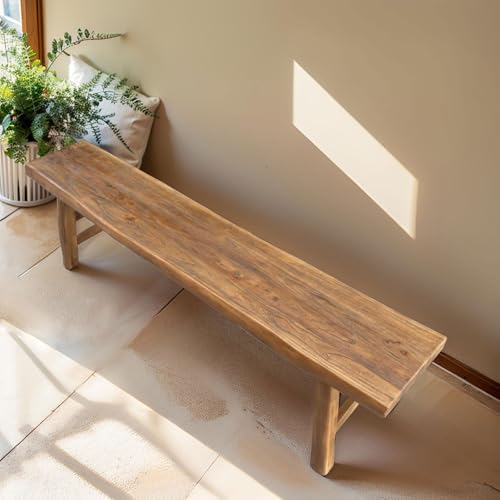
What sets these benches apart is their individuality. No two reclaimed planks are identical — each bears its own grain pattern, nail holes, weathering marks, and color variations. This means your bench is genuinely one of a kind, a piece that tells a story every time you sit on it.
For homeowners who value sustainable design, reclaimed wood benches offer a compelling alternative to newly harvested timber. By repurposing existing wood, you reduce demand for fresh logging while adding a warm, textured element to your patio, garden, or porch. If you are building a wider outdoor seating arrangement, these benches pair naturally with rattan benches and other natural-material pieces.
Common Types of Reclaimed Wood for Benches
The character and performance of a reclaimed wood bench depend heavily on the original timber source. Here are the most common types you will encounter:
- Barn wood: Salvaged from old agricultural buildings, barn wood is typically oak, chestnut, or pine. It often features deep weathered textures and rich brown tones, making it a favorite for rustic farmhouse benches.
- Factory and warehouse timber: Old industrial beams and floorboards are usually dense hardwoods like maple or oak. These are exceptionally strong and work well for heavy-duty benches with a slightly industrial aesthetic.
- Railway ties: Creosote-treated timbers are sometimes reclaimed, though modern safety standards favor alternative treatments. Look for benches made from untreated or re-milled railway wood.
- Boat wood: Salvaged from decommissioned vessels, boat wood is naturally weather-resistant and often carries beautiful teak or mahogany grain.
- Pallet and crate wood: A more accessible source, pallet wood is typically lighter and best suited for decorative or occasional-use benches rather than heavy daily seating.
Understanding the timber source helps you evaluate durability, appearance, and the level of care a bench will require. For a broader look at natural-material outdoor furniture, see our guide to rattan outdoor furniture.
Popular Styles of Reclaimed Wood Benches
Reclaimed wood lends itself to a wide range of design directions. The most common styles include:
- Rustic farmhouse: Thick, chunky planks with visible knots and a distressed finish. Often paired with black metal hairpin or X-frame legs.
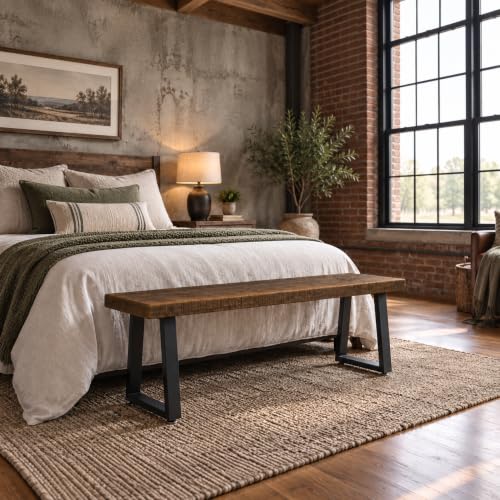
- Industrial loft: Reclaimed timber seats mounted on steel or iron frames. These benches suit modern patios and urban outdoor spaces.
- Coastal weathered: Lightwashed or whitewashed reclaimed wood that mimics driftwood. Ideal for beach-style gardens and seaside porches.
- Modern minimalist: Clean-lined benches where the reclaimed wood is selected for uniform grain and finished with a smooth, matte sealant.
- Traditional garden bench: Slatted backrests and armrests made from reclaimed hardwood, often with decorative cast-iron side panels.
When matching a bench to your existing outdoor setup, consider the materials already present. A rustic reclaimed bench can contrast nicely with sleek rattan sofas or complement a rattan coffee table in a relaxed garden lounge arrangement.
Key Factors When Choosing a Reclaimed Wood Bench
Before selecting a bench, evaluate these practical considerations to ensure you choose a piece that fits your space, lifestyle, and climate.
- Wood species and density: Hardwoods such as oak, teak, and mahogany offer superior durability. Softer reclaimed woods may require more frequent sealing.
- Moisture content and treatment: Properly kiln-dried reclaimed wood resists warping and cracking. Look for benches with a weather-resistant sealant or oil finish.
- Joinery and hardware: Dovetail joints, mortise-and-tenon construction, and stainless steel or galvanized hardware indicate a bench built to last.
- Size and seating capacity: Measure your patio or garden area to ensure the bench fits comfortably without blocking walkways. Consider two-seater, three-seater, and backless styles.
- Weight and portability: Solid reclaimed wood benches can be heavy. If you plan to move yours seasonally, choose a design with manageable weight or built-in handles.
- Finish and maintenance: Natural oil finishes require periodic reapplication. Polyurethane or lacquer finishes offer more protection but may need refinishing over time.
- Sustainability certification: Some makers provide documentation on the source of their reclaimed timber, ensuring ethical and environmentally responsible materials.
Comparing Reclaimed Wood Bench Tiers
Reclaimed wood benches fall into distinct quality tiers based on materials, construction, and craftsmanship. Use this comparison to match a bench to your needs without relying on numeric figures.
| Tier | Best For | Typical Characteristics |
|---|---|---|
| Entry-level | Occasional seating, decorative accents, small balconies | Lighter reclaimed pallet or crate wood, simpler joinery, basic weather sealant, suitable for covered areas |
| Mid-range | Everyday patio and garden seating, family use | Solid reclaimed hardwood, reinforced joints, UV-resistant finish, good balance of durability and design variety |
| Premium | High-traffic outdoor living spaces, long-term outdoor placement | Dense old-growth timber, mortise-and-tenon or dovetail joinery, premium marine-grade hardware, multi-layer protective finish |
| Luxury / Commercial-grade | Designer patios, hospitality settings, heritage-style gardens | Rare reclaimed species, hand-finished detailing, custom dimensions, professional-grade weatherproofing, documented provenance |
Mid-range benches typically offer the most balanced combination of durability and design flexibility for most homeowners. Entry-level models work well as accent pieces or for sheltered porches, while premium and luxury tiers are worthwhile investments for exposed outdoor settings.
Durability and Maintenance of Reclaimed Wood Benches
Reclaimed wood is naturally resilient, but outdoor exposure still demands attention. Here is how to keep your bench in top condition:
- Seasonal cleaning: Wash with mild soap and water, then rinse and allow to dry fully. Avoid harsh chemical cleaners that can strip protective finishes.
- Sealing: Reapply a weather-resistant sealant or penetrating oil at least once a year, or more often in rainy climates.
- Inspection: Check for splinters, loose screws, and signs of mold or insect activity. Address small issues before they become structural problems.
- Winter care: If possible, move the bench to a covered area or use a breathable cover during freezing months.
- Sun protection: UV exposure can fade and dry the wood. A UV-inhibiting finish helps preserve the natural color.
Compared to rattan patio furniture, reclaimed wood benches generally require slightly more maintenance but reward owners with exceptional longevity and a distinctive weathered patina that improves with age.
Where to Place a Reclaimed Wood Bench
Reclaimed wood benches are versatile and suit many outdoor settings:
- Garden pathways: A backless bench placed along a flower border creates a quiet resting spot.
- Patio edges: Pair a long bench with a rectangular patio dining table for casual group seating.
- Front porch: A compact two-seater makes a welcoming first impression and offers a place to sit while removing shoes.
- Fire pit area: Curved or straight benches arranged around a fire pit create a cozy conversation circle.
- Poolside: Choose a premium tier bench with marine-grade hardware for splash-zone durability.
For small balconies or tight spaces, consider pairing a reclaimed bench with space-saving rattan end tables to create a functional and cohesive seating nook.
Ready to Find Your Reclaimed Wood Bench?
Browse our curated selection of top-rated reclaimed wood benches and compare features side by side.
Explore OptionsFrequently Asked Questions
What is a reclaimed wood bench?
A reclaimed wood bench is outdoor seating crafted from timber salvaged from old structures such as barns, factories, bridges, and warehouses. The wood is cleaned, treated, and repurposed, giving each bench a unique weathered character and a sustainable story.
Are reclaimed wood benches durable outdoors?
Yes, when properly treated and finished, reclaimed wood benches are highly durable outdoors. Many reclaimed timbers are old-growth hardwoods with tight grain structures that resist moisture and insects better than some new softwoods. Regular sealing and seasonal care extend their lifespan significantly.
How do I maintain a reclaimed wood bench?
Maintenance involves cleaning with a mild soap solution, inspecting for splinters or loose joints, and reapplying a weather-resistant sealant or oil every season. Covering the bench during harsh weather and storing it during winter months further protects the wood.
What styles of reclaimed wood benches are available?
Reclaimed wood benches come in many styles including rustic farmhouse, industrial loft, coastal weathered, modern minimalist, and traditional garden designs. Some feature metal legs or frames, while others are fully wooden constructions with backrests, armrests, or storage compartments.