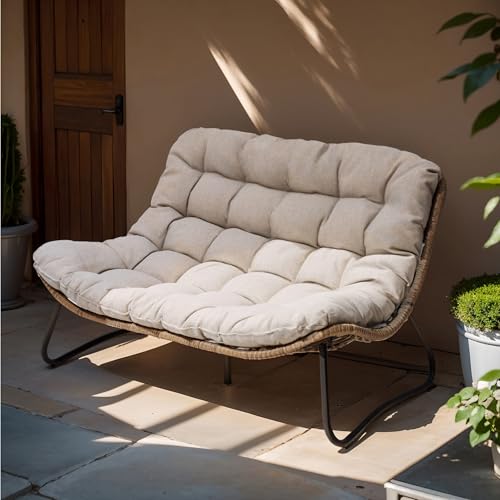
Rattan Sofa Buying Guide: Styles, Materials & Expert Tips
Everything you need to choose a rattan sofa that fits your space, climate, and lifestyle — from weave types and frame construction to cushion care and layout planning.
Why a Rattan Sofa Deserves a Place in Your Outdoor Space
A rattan sofa brings a rare combination of warmth, texture, and versatility to patios, porches, sunrooms, and even living rooms. The woven surface catches light in a way that solid materials cannot, softening the look of a hardscape while remaining structurally dependable. Whether you are furnishing a compact balcony or a full backyard lounge zone, a rattan sofa anchors the seating area and sets the design tone for everything around it.
If you are still mapping out the broader furniture plan, our guide to rattan furniture explains how sofas, chairs, and tables work together as a coordinated set. For a focused look at outdoor-specific builds, the rattan outdoor furniture overview covers weatherproofing and placement considerations in more depth.
This guide is written for shoppers who already know they want a rattan sofa but need clarity on the details that separate a piece that lasts a decade from one that disappoints after two seasons. You will learn how weave material, frame construction, cushion quality, and configuration each affect long-term satisfaction — and how to match those factors to your specific setting.
Natural Rattan vs. Synthetic Rattan: Which Is Right for You?
The single most consequential decision in choosing a rattan sofa is the weave material. Both options share the same visual language, but their performance profiles diverge sharply once weather enters the picture.
Natural Rattan
Natural rattan is derived from a climbing palm vine, harvested and shaped into furniture through traditional weaving techniques. It offers an organic, artisanal character that synthetic materials imitate but rarely fully replicate. The material is lightweight, which makes rearranging easier, and it develops a subtle patina over time.
- Best suited to: covered porches, sunrooms, enclosed patios, and indoor living spaces.
- Strengths: authentic texture, lighter weight, artisanal appeal, naturally renewable source.
- Watch-outs: prolonged direct sun can dry and crack the fibers; standing moisture encourages mold; requires periodic conditioning.
Synthetic Rattan (PE Wicker)
Synthetic rattan, most commonly high-density polyethylene (HDPE), is extruded into strands that mimic the look of natural weave. Modern manufacturing has narrowed the aesthetic gap considerably — a well-made synthetic sofa can pass for natural at a glance while offering dramatically better weather resistance.
- Best suited to: uncovered patios, poolside areas, coastal environments, and high-traffic family spaces.
- Strengths: UV-stabilized against fading, moisture-proof, resistant to cracking and rot, easy to clean, consistent color.
- Watch-outs: lower-grade synthetic weaves can become brittle over time; quality varies widely between manufacturers.
Practical rule of thumb: If the sofa will sit under open sky or near a pool, choose synthetic rattan. If it lives under a roof and away from direct rain, natural rattan rewards you with superior character.
Frame Construction: The Hidden Backbone of a Rattan Sofa
The weave gets the attention, but the frame determines structural longevity. A beautiful weave over a weak frame will sag, squeak, and eventually fail. When evaluating a rattan sofa, the frame material deserves as much scrutiny as the exterior.
Powder-Coated Aluminum
Aluminum is the benchmark for outdoor rattan sofas. It is lightweight, naturally rust-resistant, and strong enough to support full-size seating without excessive bulk. A powder-coated finish adds a durable layer that resists scratching and corrosion. This is the frame type to prioritize for uncovered outdoor settings and coastal climates where salt air accelerates metal degradation.
High-Grade Steel
Steel frames offer exceptional rigidity and a reassuring heft. The trade-off is weight and the need for a flawless rust-proof finish — any breach in the coating becomes a corrosion entry point. Steel is a solid choice for covered spaces where the sofa will not face direct moisture, and it is often found in mid-range and premium outdoor collections.
Wood Frames
Wood — typically acacia, teak, or eucalyptus — appears in natural rattan sofas and in hybrid designs. It brings warmth and pairs beautifully with woven surfaces, but it demands more weather protection. Wood frames are best reserved for covered porches or indoor sunrooms unless the species is naturally weather-resistant and properly sealed.
| Frame Material | Best For | Durability Profile | Maintenance Level |
|---|---|---|---|
| Powder-coated aluminum | Uncovered patios, coastal areas, poolside | Excellent — rust-resistant, lightweight, strong | Low |
| High-grade steel | Covered patios, heavy-use family spaces | Very good — rigid and sturdy, finish-dependent | Moderate |
| Wood (teak, acacia, eucalyptus) | Covered porches, sunrooms, indoor use | Good — requires sealing and shelter | Moderate to high |
Cushion Quality: Where Comfort and Longevity Are Won
A rattan sofa's comfort is almost entirely determined by its cushions, and cushion quality is one of the most common sources of buyer regret. The weave may last a decade while the original cushions flatten within two seasons. Pay close attention to foam density, fabric rating, and cover construction.
Foam Density and Thickness
High-density foam retains its shape far longer than low-density alternatives. Seat cushions in the entry-level tier often use softer, lower-density foam that feels plush initially but compresses quickly. Mid-range and premium sofas typically specify high-density or high-resilience foam, sometimes layered with a softer top for comfort without sacrificing support. Thickness matters too: deeper seat cushions distribute weight better and resist bottoming out.
Fabric and Weather Resistance
Outdoor cushion fabrics should be solution-dyed acrylic or a comparable performance textile rated for UV resistance and water repellency. These fabrics hold color against sun exposure and resist mildew when properly drained. Indoor-only fabrics will fade and degrade quickly outdoors, so verify the rating before committing.
Cover Construction
Removable, zippered covers are a significant practical advantage — they can be washed and replaced independently of the foam. Quick-dry cushion cores with ventilation channels help moisture escape after rain. If you are refreshing an existing sofa rather than buying new, our guide to replacement cushions for rattan furniture walks through sizing and fabric selection.
Inspection tip: Press firmly into the center of a seat cushion. If you can feel the frame beneath with moderate pressure, the foam is too thin or too soft for long-term use.
Choosing the Right Configuration for Your Space
Rattan sofas come in several configurations, and the right choice depends on room dimensions, seating needs, and how you plan to use the space. Measure your area before shopping — including doorways and pathways — so you can filter options confidently.
Two-Seater and Loveseat Configurations
Compact two-seater rattan sofas suit balconies, small patios, and paired seating arrangements. They work well alongside a rattan lounge chair to create a conversational cluster without overwhelming a tight footprint.
Three-Seater Sofas
The three-seater is the most versatile size for family patios and sunrooms. It provides generous seating while remaining manageable in most outdoor layouts. Pair it with a rattan side table for drinks and a floor lamp or planter to balance the composition.
Sectional and L-Shaped Rattan Sofas
Sectionals maximize seating in larger spaces and define the boundary of a lounge zone. They work best when you have a clear corner or wall to anchor against. If you are planning a full arrangement, our rattan patio set guide shows how sectionals pair with coffee tables and accent pieces.
Daybed and Oversized Lounge Options
For poolside lounging or a statement piece, a rattan daybed offers a generous, relaxed alternative to a conventional sofa. These pieces blur the line between seating and lounging and suit spacious decks particularly well.
Styling a Rattan Sofa: Layout and Design Ideas
Rattan's neutral texture makes it an unusually forgiving design anchor. It reads equally well in coastal, bohemian, modern, and rustic schemes, which means your styling options are broad.
Anchor with a Coffee Table
A coffee table grounds the seating arrangement and provides a surface for trays, books, and decor. A rattan round coffee table reinforces the woven theme, while a glass-top version adds a lighter, more contemporary feel and is easier to wipe clean.
Layer with Side Tables and Lighting
Side tables keep essentials within reach without cluttering the coffee table. Consider a matched pair of rattan side tables flanking the sofa, or a rattan end table if space is tighter. Add warm, low-level lighting — string lights, lanterns, or a floor lamp — to extend usability into the evening.
Build a Complete Conversation Zone
A rattan sofa reaches its full potential when paired with complementary seating. A rattan swivel chair adds flexible orientation for conversation, while a rattan rocking chair introduces a relaxed, traditional note. For a coordinated look, browse the full rattan couches collection to compare silhouettes side by side.
Finish with Texture and Greenery
Outdoor rugs, throw pillows, and potted plants soften the hard lines of a patio and make the seating area feel intentional. Keep the palette restrained — two or three tones — so the rattan texture remains the focal point rather than competing with busy patterns.
Comparing Rattan Sofa Tiers: What to Expect at Each Level
Rattan sofas span a wide spectrum of build quality. Rather than thinking in absolute terms, it helps to understand what each tier typically delivers so you can match your expectations to your needs and setting.
| Tier | Typical Weave | Frame | Cushions | Best For |
|---|---|---|---|---|
| Entry-level | Thinner synthetic strands, simpler weave patterns | Lighter aluminum or steel with basic coating | Lower-density foam, standard outdoor fabric | Seasonal use, covered spaces, first outdoor setup |
| Mid-range | Denser weave, tighter strand consistency | Powder-coated aluminum or rust-proof steel | High-density foam, solution-dyed acrylic covers | Year-round covered patios, family use |
| Premium | Hand-finished weave, UV-stabilized HDPE | Reinforced aluminum with premium coating | High-resilience foam, quick-dry cores, removable covers | Uncovered patios, coastal climates, long-term investment |
| Luxury / commercial-grade | Artisan or natural rattan, exceptional finish | Marine-grade aluminum or solid hardwood | Layered foam systems, bespoke performance fabrics | Design-led spaces, hospitality use, statement pieces |
Movement between tiers is not always linear — a mid-range sofa with excellent cushions can outperform a premium sofa with mediocre ones. Prioritize frame integrity and cushion density first, then let aesthetics guide the final choice.
Care and Maintenance: Keeping Your Rattan Sofa Looking New
Rattan sofas are low-maintenance relative to many outdoor materials, but a few simple habits dramatically extend their service life.
- Clean the weave regularly. Dust and pollen accumulate in the gaps. Wipe synthetic rattan with a damp cloth and mild soap, rinse, and allow it to dry fully. For natural rattan, use a soft brush and a barely damp cloth — never soak it.
- Protect the cushions. Bring cushions inside or store them in a dry box during heavy rain and off-season months. Even quick-dry cores benefit from being kept dry when not in use.
- Use a fitted cover. A breathable, fitted cover protects the frame and weave during storms and winter. Avoid non-breathable plastic sheeting, which traps moisture and encourages mold.
- Check hardware and joints. Periodically tighten bolts and inspect welds or connectors for wear. Early intervention prevents larger structural issues.
- Rotate and reposition. If the sofa sits in a fixed spot, occasional repositioning helps even out sun exposure and wear.
For a deeper dive into seasonal protection routines, see our weatherproofing guide.
Frequently Asked Questions About Rattan Sofas
Is a rattan sofa suitable for year-round outdoor use?
Synthetic rattan sofas are engineered for full outdoor exposure and handle sun, rain, and temperature swings well when paired with a quality cover. Natural rattan is better suited to covered porches or sunrooms because it can dry out and crack with prolonged direct exposure to the elements.
How do I clean a rattan sofa?
For synthetic rattan, wipe the weave with a damp cloth and mild soap, then rinse and let it dry fully. Natural rattan should be dusted with a soft brush and wiped with a barely damp cloth; avoid soaking it. Cushion covers should follow the manufacturer's care label, and removable covers are usually machine washable on a gentle cycle.
What is the difference between natural and synthetic rattan?
Natural rattan is a plant-derived vine with a warm, organic look and a lighter weight, but it requires more protection from moisture and UV light. Synthetic rattan, typically made from high-density polyethylene, is UV-stabilized, moisture-proof, and far more durable for uncovered outdoor settings.
Which frame material should I look for in a rattan sofa?
Powder-coated aluminum is the most reliable frame for outdoor rattan sofas because it is lightweight, rust-resistant, and strong. High-grade steel is heavier and very sturdy but demands a rust-proof finish. Wood frames suit covered spaces but need more weather protection.
Can I replace the cushions on an existing rattan sofa?
Yes, and it is often the most effective way to refresh an older sofa. Measure the seat and back dimensions carefully, then choose high-density foam cores and performance outdoor fabric. Our replacement cushions for outdoor furniture guide covers sizing and material selection.
How do I know if a rattan sofa will fit my space?
Measure the available footprint, then account for clearance around the sofa for walkways and side tables. A three-seater typically needs a generous seating zone, while a two-seater works in tighter spots. Check doorway widths before ordering to confirm delivery access, and consider a rattan patio set if you want a coordinated, pre-matched arrangement.
Final Thoughts: Buying a Rattan Sofa with Confidence
A rattan sofa is one of the most rewarding outdoor furniture purchases you can make. It balances visual warmth with practical durability, suits a wide range of design styles, and — when chosen with attention to weave material, frame construction, and cushion quality — delivers years of reliable use.
Start by matching the weave type to your exposure conditions, confirm the frame material meets your climate demands, and insist on high-density foam and performance fabrics for the cushions. From there, configuration and styling become creative choices rather than risk factors. Whether you are outfitting a compact balcony or a sprawling backyard lounge, the right rattan sofa will anchor the space and invite people to stay a little longer.