Rattan Side Table: The Complete Buying Guide & Design Ideas
Everything you need to know before choosing a rattan side table for your patio, porch, or living room — from weave types and frame construction to sizing, styling, and long-term care.
Start the Guide
Why a rattan side table deserves a spot in your space: A side table is one of the hardest-working pieces in any outdoor or indoor setting — it holds your coffee, book, lantern, or plant without demanding much floor space. When that table is woven from rattan, it also brings texture, warmth, and a relaxed natural character that solid wood or metal simply cannot replicate. This guide walks you through the decisions that matter: material choice, frame quality, size, shape, placement, and care. By the end, you will know exactly which rattan side table fits your home and how to make it last.
What Exactly Is a Rattan Side Table?
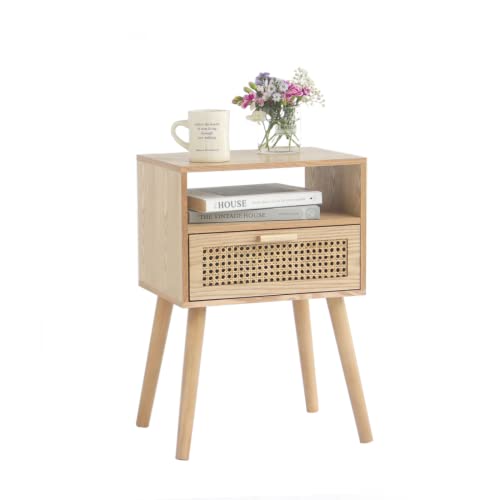
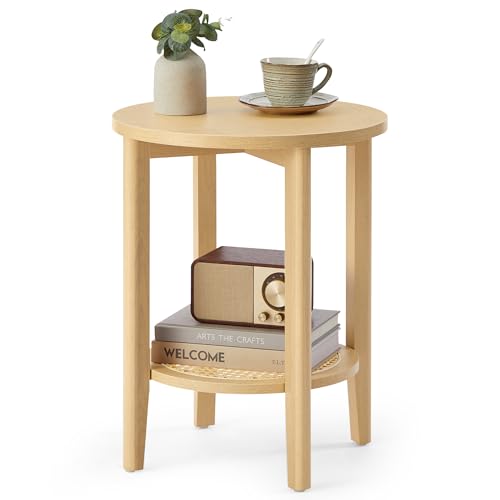
A rattan side table is a compact occasional table whose surface, base, or both are built from rattan — a climbing palm harvested across Southeast Asia — or from a synthetic material designed to mimic its woven appearance. The category covers a wide range of forms: round drum tables, square cube tables, nesting sets, tray-top designs, and pedestal styles. What unites them is the woven texture and the lightweight, airy feel that rattan brings to a room or patio.
It helps to separate two ideas that are often confused. Rattan refers to the material itself — the vine-like palm stem. Wicker refers to the weaving technique, which can be applied to rattan, willow, bamboo, seagrass, or synthetic resin. A rattan side table is therefore a wicker table, but not every wicker table is made of rattan. When you shop, the product description should tell you which material you are getting. If it does not, that is a signal to look more closely at the specifications.
Because side tables sit at arm's reach, they are touched, bumped, and used constantly. That makes construction quality more important than it might seem for a small piece of furniture. A well-built rattan side table will have a rigid frame underneath the weave, a level and stable top, and joints that do not flex when you lean on them.
Natural Rattan vs. Synthetic Rattan: Which Should You Choose?
This is the single most important decision for most buyers, because it determines where the table can live, how often it needs attention, and how it will age. Both options are legitimate; they simply suit different situations.
Natural Rattan
Natural rattan has a warm honey-to-caramel tone, a slight flexibility, and a handcrafted look that synthetic versions imitate but rarely fully match. It is lighter in weight, which makes it easy to reposition. The trade-off is that natural rattan is an organic material: it absorbs moisture, can dry out and crack in very arid conditions, and will fade under prolonged direct sun. It performs best indoors, on covered porches, or on patios with a roof or awning. If your space is fully exposed to rain and harsh afternoon sun, natural rattan will require more frequent sealing and may still show wear within a few seasons.
Synthetic Rattan (PE Rattan / Resin Wicker)
Synthetic rattan is typically made from high-density polyethylene woven over a powder-coated aluminum or steel frame. It is engineered to resist moisture, UV radiation, and temperature fluctuations, which makes it the practical pick for uncovered patios, pool decks, and coastal environments. Modern synthetic weaves have become remarkably convincing — at a glance, many are difficult to distinguish from natural rattan. The frame underneath matters as much as the weave: aluminum resists rust and stays light, while steel is heavier and stronger but needs a quality coating to prevent corrosion. Look for a table described as weather-resistant or rust-proof if it will stay outside.
Quick rule of thumb: If the table will sit under a roof, on a screened porch, or indoors, natural rattan is a beautiful choice. If it will face rain, sprinklers, or full sun, choose synthetic rattan with a powder-coated aluminum frame — it is the lower-maintenance option for exposed settings.
Frame Construction: The Hidden Quality Signal
The weave gets all the attention, but the frame determines whether the table stays square and stable over time. Here is what to look for at each tier of the market.
- Entry-level tier: Frames are often light steel or thin aluminum with a basic coating. These tables are fine for occasional use and sheltered spots, but they may flex slightly under weight and the coating can chip if knocked.
- Mid-range tier: Expect a powder-coated aluminum frame with tighter, more consistent weaving. Joints are welded or reinforced, and the table feels solid when you press on it. This is the sweet spot for most patio and living-room buyers.
- Premium and high-end tier: Heavier gauge aluminum or solid hardwood cores, hand-finished weaving, and reinforced corner blocks. These tables are built to handle daily use and stay level for years. Some premium models use marine-grade hardware for coastal settings.
A simple test: place the table on a hard floor and press gently on opposite corners. A well-built piece will not rock or creak. Check underneath — a clean, fully coated frame with capped feet suggests better finishing than exposed metal edges. Also confirm the top is properly attached; a top that shifts under hand pressure will loosen over time.
Sizing and Shape: Matching the Table to Your Space
Side tables are small, but the wrong size is immediately noticeable — too tall and it crowds the armrest; too wide and it blocks a walkway; too small and it cannot hold a tray. Use these guidelines as a starting point.
| Table Size / Shape |
Best For |
Placement Notes |
| 14–16 inch round |
Balconies, tight corners, beside accent chairs |
Compact footprint; ideal where floor space is limited |
| 18–22 inch round |
Most lounge chairs and patio sofas |
Top roughly level with the armrest for easy reach |
| 20–24 inch square |
Wide sofas, double loungers, sectional ends |
More surface for trays, lamps, and plants |
| Nesting set (two or three) |
Flexible entertaining spaces |
Pull out extra surfaces for guests, tuck away afterward |
| Drum / cylindrical |
Modern and coastal interiors |
Solid visual presence; often doubles as a small seat |
Height matters as much as width. Measure from the floor to the top of your chair or sofa arm. A side table whose top sits within an inch or two of that height feels natural to use. For dining-adjacent seating, a slightly lower table keeps sightlines open. For a bedside or reading-chair companion, a table level with the mattress or seat cushion works well.
Think about clearance. Leave at least 18 inches of walking space between the table and any doorway or traffic path. On a small balcony, a round table with a pedestal base uses space more efficiently than a square table with four legs, because there are no corners to catch a shin.
Styles and Design Ideas
Rattan is versatile enough to fit nearly any design language. The weave provides texture; the frame shape sets the mood. Here are the most common directions and how to use them.
Coastal and Nautical
Pair a natural-tone rattan side table with white or sand-colored cushions, striped textiles, and a few pieces of driftwood or rope decor. A round drum table works especially well here — it echoes the curves of shells and boat hulls. Keep the palette light and let the weave provide the contrast.
Bohemian Oasis
Layer a rattan side table with a patterned outdoor rug, macramé accents, and an assortment of potted plants. A nesting set gives you flexibility to create a layered, collected look. Mixed tones — honey, dark brown, and black rattan — can sit together comfortably in a bohemian scheme.
Modern and Minimalist
Choose a synthetic rattan table with a clean geometric frame — a cube, a slim cylinder, or a simple tray-top design — in a monochrome finish such as charcoal, black, or whitewashed gray. The texture keeps the piece from feeling cold, while the restrained shape fits a modern patio or living room.
Rustic and Farmhouse
A rattan side table with a chunky frame and visible joinery pairs beautifully with reclaimed wood benches, galvanized planters, and linen cushions. Natural rattan's slight irregularities are an asset in this style — they reinforce the handmade, lived-in feel.
Indoor Living Rooms and Bedrooms
A rattan side table is not only for outdoors. Beside a reading chair, next to a sofa, or as a bedside companion, it adds warmth without visual weight. A round tray-top design is especially useful in a bedroom, where it can hold a lamp, a book, and a glass of water without dominating the room.
How to Use a Rattan Side Table in Your Space
Placement is where a side table earns its keep. A few practical arrangements:
- Beside a lounge chair: Position the table so the top is within easy reach when you are seated — roughly level with the armrest. A round table with a small lip or tray edge helps prevent glasses from sliding off.
- Between two chairs: A shared table works well between a pair of matching chairs, but keep it narrow enough that both people can reach it without leaning awkwardly.
- At the end of a sofa: A square or rectangular rattan side table anchors the end of a sectional and provides a landing spot for a lamp, a plant, and a drink. Choose a top large enough to hold a tray.
- As a plant stand: A sturdy drum-style table can elevate a large potted plant to eye level, adding greenery without consuming floor space. Confirm the table is rated to hold the weight of the pot and soil.
- On a balcony: A nesting set lets you keep one table out permanently and pull out a second when guests arrive. Tuck the smaller one underneath when not in use.
- Bedside: A round rattan table with a tray top makes a warm alternative to a traditional nightstand, especially in a coastal or bohemian bedroom.
One more consideration: if the table will hold a lamp or a heavy planter, check the top's load rating and whether the surface is flat enough to prevent tipping. A slightly recessed tray top is a smart detail for outdoor use.
Care and Maintenance for Long-Term Durability
Rattan side tables are low-maintenance compared with many materials, but a little routine care goes a long way — especially for natural rattan.
- Weekly dusting: Use a soft brush or a vacuum with a brush attachment to clear dust and pollen from the weave. This prevents grit from working into the fibers.
- Prompt spill cleanup: Wipe spills with a damp cloth and mild soap. Do not let liquids sit in the weave, where they can stain or soften natural fibers.
- Deep cleaning: For a deeper clean, mix a small amount of gentle dish soap in water, scrub with a soft-bristle brush, rinse, and dry thoroughly in the shade. Avoid pressure washers and harsh chemicals.
- Seasonal sealing: Natural rattan benefits from a UV-protective sealant applied once a year. This helps retain color and moisture balance. Synthetic rattan generally does not need sealing, but a wipe-down at the start of the season keeps it looking fresh.
- Winter storage: If you live in a region with freezing winters, move natural rattan indoors or into a shed. Synthetic rattan can usually stay outside under a cover, but bringing it in extends its life.
- Furniture covers: A fitted cover protects against rain, leaves, and UV during extended periods of non-use. Make sure the cover is breathable so moisture does not get trapped underneath.
If the table has a glass top, clean it with a standard glass cleaner and check the suction cups or fasteners periodically. If it has a solid top, treat it according to the material — wood tops need occasional oiling, while resin tops simply need a wipe-down.
A Practical Buying Checklist
Before you commit to a rattan side table, run through this list. It will help you avoid the most common regrets.
- Confirm the material. Is it natural rattan or synthetic? Does the listing specify the frame material (aluminum, steel, wood)?
- Check the frame coating. For outdoor use, look for powder-coated or rust-proof finishes.
- Measure your space. Note the available width, the height of your chair arm, and the walking clearance.
- Decide on shape. Round for tight spaces and soft edges; square for more surface area; nesting for flexibility.
- Inspect the top. Is it flat, level, and properly attached? Does it have a tray edge or lip?
- Consider weight and portability. Will you need to move it often? Lighter synthetic models are easier to reposition.
- Read the care instructions. Natural rattan requires more attention; make sure you are comfortable with the routine.
- Verify the return policy. A side table is a tactile purchase — confirm you can return it if the finish or size is not right.
If you are building a coordinated outdoor seating area, it helps to think about the table as part of a set. A rattan side table pairs naturally with a rattan lounge chair or a rattan sofa, and it can sit alongside a rattan coffee table without competing for attention. For a fuller overview of the category, see our guide to rattan tables.
Frequently Asked Questions
What is the difference between natural rattan and synthetic rattan side tables?
Natural rattan is a plant-based material with a warm, organic look and lighter weight, but it requires more careful maintenance and is best suited to covered or indoor spaces. Synthetic rattan (often called PE rattan or resin wicker) is engineered to resist moisture, UV rays, and temperature swings, making it the more practical choice for exposed patios and poolside areas. Both can look nearly identical from a distance, so the deciding factor is usually your climate and how much shelter your space provides.
What size rattan side table fits best next to a lounge chair?
As a general guideline, a side table with a top diameter or width of 16 to 22 inches pairs well with most lounge chairs and patio sofas. The tabletop should sit roughly level with the armrest, or slightly lower, so a drink or book is within easy reach without knocking elbows. For tighter balcony spaces, a compact 14-inch round design works nicely, while a larger 24-inch square or rectangular model suits wide sofas and double loungers.
Can a rattan side table be used indoors as well as outdoors?
Yes. A well-sealed natural rattan table or a synthetic rattan model can move between indoor and outdoor use, though natural rattan should stay out of direct rain and prolonged sun exposure. Many people use one beside a reading chair indoors and shift it to a covered porch in summer. If the table will live outdoors year-round, choose a synthetic weave with a powder-coated metal frame and confirm the finish is rated for exterior use.
How do I keep a rattan side table clean and looking good?
Dust the weave weekly with a soft brush or vacuum attachment, and wipe spills promptly with a damp cloth and mild soap. For deeper cleaning, mix a small amount of gentle dish soap in water, scrub the weave with a soft-bristle brush, then rinse and dry thoroughly in the shade. Avoid harsh chemicals and pressure washing, which can damage the finish. Applying a UV-protective sealant once a year helps natural rattan retain its color and moisture balance.
Explore More Rattan & Patio Guides
Ready to Choose Your Rattan Side Table?
You now have the framework to pick a table that fits your space, your climate, and your style — without guesswork. Browse our recommended picks below and compare features side by side.
View Recommended Rattan Side Tables