Replacement Cushions for Rattan Furniture: Complete Buying Guide
Rattan furniture is a timeless choice for patios, sunrooms, and garden lounges. Its woven texture and natural warmth make any outdoor space feel inviting. Yet over time, sunlight, rain, and daily use can leave the original cushions faded, flattened, or torn. Replacing those cushions is often the smartest way to restore comfort and style without replacing the entire frame. This guide walks you through every decision — from measuring your rattan seating to choosing foam density, fabric, and fit — so you can refresh your furniture with confidence.
Why this matters: A rattan frame that is structurally sound can last for many years. Cushions, however, are the wear component. Understanding how to select replacements that match your frame's dimensions and your climate will help you extend the usable life of your outdoor seating and keep your patio looking polished.
Why Replace Rattan Furniture Cushions
Rattan furniture frames — whether made from natural rattan, synthetic resin wicker, or a hybrid weave — are designed to be durable. The cushions, on the other hand, take the brunt of daily use. Sun exposure breaks down fabric fibers, moisture encourages mildew, and body weight compresses foam over time. When cushions lose their loft, seating becomes uncomfortable and the whole set looks tired.
Replacing cushions is a practical alternative to buying a new rattan patio set. It preserves the character of a frame you already love, reduces waste, and lets you update the color palette of your outdoor space without a major purchase. Many homeowners find that a fresh set of cushions makes a rattan couch or rattan lounge chair feel brand new again.
There is also a design advantage: cushion replacement is an opportunity to change the mood of your patio. A neutral beige might suit a coastal theme, while deep charcoal or sage green can anchor a more modern look. If you are refreshing multiple pieces, consider coordinating cushions across your rattan dining set and rattan outdoor furniture for a cohesive result.
Signs It Is Time to Replace
- Foam no longer springs back after you stand up.
- Fabric feels rough, brittle, or has visible fading.
- Zippers are broken or covers no longer stay in place.
- Persistent musty odor or visible mildew spots.
- Cushions slide or bunch because they no longer match the frame's contours.
How to Measure Your Rattan Furniture for Replacement Cushions
Accurate measurements are the single most important step in buying replacement cushions. Rattan frames vary widely in dimension, and a cushion that is slightly too large will buckle, while one that is too small will slide. Use a metal tape measure and record every dimension in both inches and centimeters for cross-checking.
What to Measure
- Seat width: Measure the inner width of the seat frame, from side rail to side rail.
- Seat depth: Measure from the front edge of the seat to the backrest frame.
- Seat thickness: Note the current cushion thickness; typical values range from 3 to 6 inches depending on the style.
- Back height and width: For back cushions, measure the visible backrest area and note whether the cushion is attached or loose.
- Corner radius: For curved or rounded rattan frames, measure the radius of the corners so the cushion follows the frame's shape.
If your furniture is a modular or sectional arrangement, measure each seat individually. A rattan sofa may use a single long cushion or multiple seat pads. Similarly, a rattan swivel chair often uses a round or barrel-shaped cushion that requires a specific radius measurement.
Pro Tip: Measure the Old Cushion First
If the original cushion still holds its shape, lay it flat and measure it directly. Add a small allowance (about 2–3% of the width) if you prefer a snug fit that will not shift. For loose back cushions, measure the frame opening rather than the cushion itself.
Cushion Shapes and Configurations for Rattan Furniture
Rattan furniture comes in many silhouettes, and the cushion shape should follow the frame. Below are the most common configurations and what to look for in each.
Standard Seat Pads
Rectangular or square seat pads are the most common type. They suit rattan dining armchairs, rattan desk chairs, and many rattan side tables that double as seating. Look for pads with a non-slip base or ties if your frame has slats.
Barrel and Curved Cushions
Curved rattan chairs — such as a rattan swivel chair or a rattan papasan chair — require cushions with a matching curvature. These are often sold as replacement cushions for curved outdoor furniture and should be measured along the inner arc as well as the straight-line width.
L-Shaped and Sectional Cushions
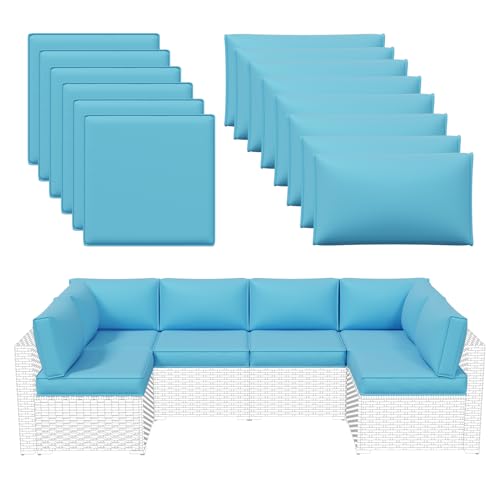
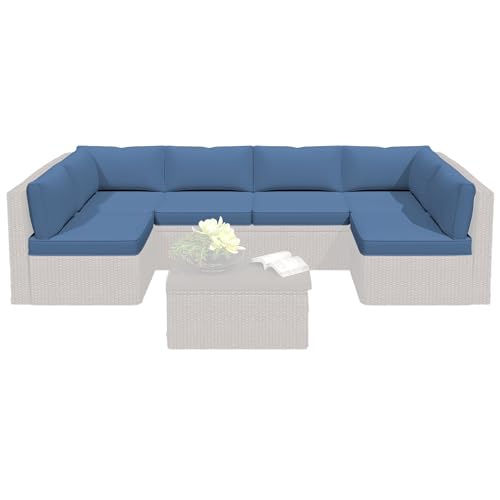
For corner arrangements, you may need replacement cushions for outdoor L-shaped couch configurations or replacement cushions for sectional patio furniture. These are typically sold as multi-piece sets with dedicated corner pieces. Measure each segment separately and note the orientation (left-facing or right-facing).
Round Daybed and Ottoman Cushions
Round rattan daybeds and ottomans use circular or semi-circular cushions. If you own a rattan daybed, look for replacement cushions for round outdoor daybed options that specify the diameter and thickness. A rattan storage bench may use a simple rectangular pad, but check whether the lid is hinged, as that affects how the cushion sits.
Foam Types and Comfort Tiers
Foam is the heart of any cushion. It determines comfort, support, and how well the cushion holds its shape over seasons of use. Replacement cushions generally fall into three foam categories, which correspond to quality tiers.
Entry-Level Foam
Entry-level cushions typically use standard polyurethane foam with a lower density. They are lighter and softer at first but tend to compress more quickly under regular use. These are a reasonable choice for occasional seating, guest areas, or decorative pieces such as a rattan end table that is used mainly for display.
Mid-Range Foam
Mid-range cushions use higher-density foam, often with a wrapped fiber layer for a softer surface feel. They offer a better balance of support and comfort and are the most common choice for daily-use patio seating. If you are refreshing a rattan lounge chair or a rattan rocking chair, mid-range foam is a sensible starting point.
Premium and High-End Foam
Premium cushions use high-density or memory foam cores, sometimes with a moisture-resistant treatment. They hold their shape longer, resist flattening, and feel more substantial. These are appropriate for primary seating such as a rattan sofa or a frequently used rattan patio furniture set where comfort is a priority.
Whichever tier you choose, look for foam that is wrapped in a protective liner. This helps keep moisture away from the core and extends the cushion's usable life.
Fabric and Weather Resistance
Outdoor cushions face sun, rain, and humidity. The fabric you choose has a direct impact on how long the cushions look good and how comfortable they remain.
Solution-Dyed Acrylic
Solution-dyed acrylic is a top-tier choice for outdoor cushions. The color is integrated into the fiber rather than applied to the surface, so it resists fading better than printed fabrics. It also dries relatively quickly and resists mildew when properly maintained.
Polyester and Blends
Polyester is common in mid-range outdoor cushions. It is durable and holds color well, though it may not match the fade resistance of solution-dyed acrylic over many seasons. Blends with acrylic or olefin can improve performance.
Olefin
Olefin is a synthetic fiber that resists moisture and stains. It is often used in entry-level and mid-range cushions. It is a practical option for covered patios and sunrooms where direct sun exposure is limited.
Cover Construction Details
Look for covers with sealed seams or reinforced stitching. Zippers should be rust-resistant. If your rattan furniture sits in a fully exposed area, consider replacement cushion covers for rattan furniture made from a water-resistant fabric. For wicker frames, replacement cushion covers for wicker furniture are also available and can be a practical way to refresh an existing cushion set.
Getting the Fit Right: Ties, Grips, and Shape
A cushion that fits well stays in place, looks tailored, and wears evenly. Here are the details that matter most.
- Tie attachments: Look for fabric ties that match the cushion color and can be secured to the rattan frame. They are especially useful on dining chairs and benches.
- Non-slip backing: Some cushions include a textured underside or silicone dots that grip the frame.
- Contoured edges: Cushions with a rounded or piped edge follow the frame's curves more closely than square-cut alternatives.
- Compression allowance: A new cushion should feel firm at first and settle slightly after a few uses. If it feels overstuffed, it may be the wrong size.
If you are replacing cushions on a set with mixed pieces — for example, a rattan dining set with armchairs and a bench — measure each piece individually rather than assuming they share dimensions.
Cushion Care and Longevity
Proper care can add seasons to the life of your replacement cushions. A few simple habits make a significant difference.
- Brush off debris weekly: Use a soft brush to remove pollen, leaves, and dust before they work into the fabric.
- Spot clean promptly: Blot spills with a clean cloth and mild soap solution. Avoid harsh detergents that can break down fabric treatments.
- Dry thoroughly: After rain, stand cushions on edge to drain and dry. Do not leave them flat against the frame where moisture can pool.
- Store during off-season: If your climate has harsh winters, store cushions indoors or in a ventilated cushion box.
- Rotate seating positions: If your furniture arrangement allows, rotate cushions periodically to distribute wear.
For frames, regular cleaning of the rattan weave prevents dirt from transferring to the cushions. If your rattan is natural, avoid prolonged soaking, which can loosen the weave. Synthetic rattan is more forgiving but still benefits from gentle cleaning. You can read more about frame care in our broader rattan furniture resources.
Tier Comparison Overview
The table below summarizes how cushion tiers differ across key attributes. Use it as a quick reference when comparing options for your rattan furniture.
| Tier | Foam Quality | Fabric Options | Best For |
|---|---|---|---|
| Entry-Level | Standard polyurethane foam | Polyester or olefin | Occasional seating, guest areas, decorative pieces |
| Mid-Range | Higher-density foam with fiber wrap | Polyester blends, some acrylic | Daily-use patio seating, dining chairs, loungers |
| Premium | High-density or memory foam core | Solution-dyed acrylic, treated blends | Primary seating, exposed patios, long-term use |
Within each tier, construction details such as sealed seams, rust-resistant zippers, and non-slip backing can vary. Always check the product specifications to confirm those features.
Ready to Refresh Your Rattan Seating?
Browse our recommended replacement cushions for rattan furniture and find the right fit for your frame, your climate, and your comfort preference.
View Recommended CushionsFrequently Asked Questions
Can I use standard outdoor cushions on rattan furniture?
In many cases, yes — provided the dimensions match your frame. Standard outdoor cushions are designed for weather exposure and are generally compatible with rattan seating. The key is accurate measurement. Curved or barrel-shaped rattan chairs may require specifically shaped cushions rather than flat pads.
How do I know if my rattan furniture needs new cushions?
Look for flattened foam that does not recover, fabric that feels brittle or shows fading, broken zippers, or persistent odors. If the frame is still sturdy, replacing the cushions is usually a practical way to restore comfort and appearance.
Should I replace the cushion covers or the whole cushion?
If the foam core is still supportive and clean, replacing only the covers can be a cost-effective option. If the foam is compressed or the cushion has been exposed to moisture, replacing the entire cushion is usually the better choice. For wicker frames, replacement cushion covers for wicker furniture are widely available.
What is the best fabric for rattan furniture cushions?
Solution-dyed acrylic is generally considered the top choice for outdoor use because it resists fading and dries quickly. Polyester and olefin are common in mid-range and entry-level cushions and perform well in covered areas. Consider your local climate and sun exposure when choosing.
Can replacement cushions be used on indoor wicker furniture?
Yes. Outdoor-rated cushions work fine indoors, though you may prefer softer fabrics for indoor use. If you are refreshing indoor wicker pieces, replacement cushions for indoor wicker furniture are available in a wider range of decorative fabrics.
How often should rattan furniture cushions be replaced?
Replacement frequency depends on exposure and use. Cushions on a fully exposed patio may need replacement every few seasons, while covered or indoor rattan cushions can last considerably longer. Proper care and off-season storage extend the interval.
Final Thoughts
Replacement cushions are one of the most effective ways to keep rattan furniture comfortable and visually appealing. By measuring carefully, choosing the right foam tier for your usage, and selecting a weather-appropriate fabric, you can extend the life of your seating for years. Whether you are refreshing a single rattan lounge chair or outfitting an entire rattan patio set, the principles in this guide apply across the board. Take your time with measurements, compare construction details, and choose a tier that matches how often you use your outdoor space.