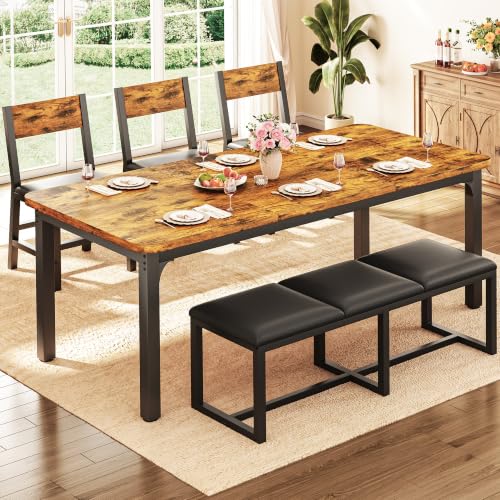
Rectangle Dining Table for 6 with Bench: The Complete Buying Guide
Everything you need to know about choosing, sizing, and styling a rectangular six-seater dining set with a bench for your patio, deck, or porch.
Why this guide matters: A rectangle dining table for 6 with bench is one of the most practical and space-efficient outdoor dining configurations. It seats a full household plus guests, encourages conversation along a shared bench, and leaves room for serving platters in the center. This guide walks you through sizing, materials, bench design, placement, and care so you can buy with confidence.
Why Choose a Rectangle Dining Table for 6 with Bench?
Rectangular tables are the most common shape for outdoor dining for good reason. They align naturally with the geometry of decks, patios, and covered porches, and they make efficient use of narrow or long spaces. Pairing a six-seater rectangle with a bench adds flexibility: the bench side is ideal for children, casual lounging, or squeezing in an extra guest, while the opposite side can hold three individual chairs with back support.
The bench also delivers a design benefit. It visually anchors the table, reduces chair clutter, and creates a cleaner sightline across the patio. For homeowners who entertain often, this setup balances formality and relaxed outdoor living. If you are still exploring overall patio dining configurations, our rectangular patio dining sets collection is a useful next stop.
Compared with round tables, a rectangle offers more usable surface area per seat and better accommodates rectangular serving pieces, pitchers, and centerpieces. Compared with oval tables, it fits more predictably against walls and railings. The result is a dining zone that feels intentional rather than improvised.
Sizing and Dimensions: What Fits Six with a Bench?
Getting the dimensions right is the single most important step. A rectangle table that seats six with a bench typically falls into these ranges:
Table Length
60 to 72 inches. At 60 inches, seating is snug but workable; 66 to 72 inches gives comfortable elbow room for six.
Table Width
36 to 40 inches. Wider tables fit more serving dishes but push the bench farther from the center.
Table Height
Standard dining height is 28 to 30 inches. Counter height (34 to 36 inches) changes bench and chair pairing.
Bench Length
48 to 60 inches for a single long bench. A bench should be slightly shorter than the table to allow legroom at the ends.
Seat height matters just as much as table height. For a standard 30-inch table, aim for a bench seat height of 17 to 19 inches. If you choose a counter-height table, the bench seat should rise to roughly 24 to 26 inches. Mismatched heights are the most common cause of discomfort in bench-and-table setups.
Clearance is the other half of the sizing equation. Plan for at least 36 inches of open space on all sides of the table for chair pull-out and walkways. If the bench sits against a railing or wall, add a few extra inches so guests can slide in without scraping knees. On a compact balcony, a 60-inch table with a narrow bench may be the only workable option; our guide to rectangle dining table with bench and chairs covers mixed seating layouts in more detail.
Measure your patio twice and tape out the table footprint on the ground before ordering. Include the bench pull-out zone and the chair backs. A set that looks right on paper can feel cramped once real bodies are seated.
Bench Styles: Backless, Backed, and Storage Benches
The bench is the defining feature of this configuration, and the style you choose shapes both comfort and function.
Backless Benches
Backless benches are the classic pairing for a rectangle dining table. They slide fully under the table when not in use, which keeps the patio looking tidy and frees up walking space. They are also the most versatile: guests can sit from either side, and the bench can double as extra seating elsewhere. The trade-off is reduced back support, so cushions and a table-adjacent wall or railing help.
Benches with Backrests
A bench with a backrest behaves more like a sofa and is better for long, lingering meals. It usually sits permanently on one side and cannot tuck under the table, so it needs more floor space. If your patio is generous and comfort is the priority, a backed bench is the stronger choice.
Storage Benches
Storage benches combine seating with a lift-up or drawer compartment for cushions, table linens, or grill tools. They are especially useful on smaller patios where every square foot counts. Look for a weather-sealed compartment and a sturdy lid hinge if you plan to store textiles inside. Our rattan storage bench overview is a helpful reference for materials and construction details.
Materials: Choosing the Right Build for Outdoors
Outdoor dining furniture lives through sun, rain, and temperature swings. Material choice determines how much maintenance the set will need and how long it will last.
| Material | Best For | Maintenance Notes |
|---|---|---|
| Teak | Premium, long-term investment; natural wood aesthetic | Naturally weather-resistant; periodic oiling maintains color |
| Acacia | Mid-range solid wood sets with warm grain | Needs sealing; reapply finish annually in harsh climates |
| Powder-Coated Aluminum | Low-maintenance, lightweight, rust-resistant frames | Wipe clean; check for coating chips after heavy use |
| High-Grade Steel | Heavy-duty, commercial-grade durability | Look for rust-proof finish; touch up scratches promptly |
| Resin Wicker | Style-forward, family-friendly, weather-tolerant | Rinse and air-dry; avoid abrasive cleaners on weave |
| Concrete/Composite | Modern, weighted tables that resist wind | Seal periodically; heavy to move once placed |
Wood remains the most popular choice for its warmth and repairability. A teak or acacia rectangle table can be sanded and re-oiled rather than replaced. Metal frames pair well with wood or composite tops and are lighter to rearrange. Wicker and rattan bring texture and blend into garden settings; if that style appeals to you, our rattan outdoor furniture guide covers weave types and frame quality in depth.
Whatever material you choose, confirm that the tabletop has a weather-resistant coating and that hardware is stainless or coated. Small details like sealed end grain and drainage gaps make a meaningful difference over several seasons.
Quality Tiers: How to Read a Set's Position in the Market
Rather than comparing numbers, think in tiers. This framework helps you match expectations to construction quality.
| Tier | Typical Characteristics | Best For |
|---|---|---|
| Entry-Level | Lighter frames, thinner tops, basic finish; assembly required | First patio, seasonal use, renters |
| Mid-Range | Solid build, better joinery, more consistent coatings | Everyday family dining, regular entertaining |
| Premium | Dense hardwood or heavy-gauge metal, refined finishes | Year-round outdoor use, design-focused patios |
| Luxury / Commercial-Grade | Exceptional materials, precise craftsmanship, long service life | High-use households, hospitality settings |
Mid-range sets usually offer the most balanced ownership experience: they hold up to regular use without the care demands of top-tier natural wood. Entry-level sets are a reasonable fit for covered porches or occasional use, while premium and commercial-grade sets make sense when the table will stay outside year-round and serve as the centerpiece of your outdoor living space.
Placement and Layout: Making the Set Work on Your Patio
Where you place the table determines how often you use it. Start by mapping the primary traffic path—typically from the house door to the yard or grill. The dining set should sit adjacent to, not across, that path.
- Deck placement: Align the table's long side parallel to the house for easy serving from the kitchen. Leave 36 inches between the bench and railing.
- Patio slab placement: Center the table on the slab if the space is symmetrical; offset it if you need a walkway on one side.
- Covered porch: A bench with a backrest works well against the house wall, with chairs facing inward.
- Poolside: Choose a composite or metal set over natural wood to handle splashes and chlorinated water.
Shade is the other placement decision. A rectangle table benefits from an umbrella with an offset or cantilever design so the pole does not block the bench. Our rectangular cantilever umbrella with base guide explains how to position shade without interfering with seating.
Comfort and Accessories: Upgrading the Bench Experience
A bare bench is fine for a quick lunch but tiring for a long dinner. A few additions transform the setup:
- Bench cushions: A long, tied cushion adds padding and defines the seating zone. Look for quick-dry foam and solution-dyed fabric.
- Back support pillows: Lumbar pillows against a railing or wall make backless benches far more comfortable.
- Outdoor rug: A rug under the table visually separates the dining zone and catches crumbs.
- Lighting: String lights or a pendant above the table extend usable hours into the evening.
- Umbrella or pergola: Shade keeps the table usable through midday heat.
Cushion care matters outdoors. Store cushions during heavy rain and rotate them to even out wear. If your set uses wicker, our guide to replacement cushions for rattan furniture covers sizing and fabric selection for long-term comfort.
Care and Maintenance: Keeping the Set Looking New
Outdoor dining furniture rewards a simple routine. Wipe the table after meals, rinse the bench monthly, and inspect hardware at the start of each season.
- Wood: Clean with mild soap and water; re-oil or seal annually depending on exposure.
- Metal: Wipe with a damp cloth; touch up coating chips to prevent corrosion.
- Wicker: Vacuum or rinse gently; dry thoroughly to prevent mildew.
- Fabric: Brush off debris, spot clean promptly, and store cushions when not in use.
A fitted cover during off-season months protects the investment and reduces spring cleaning. If you live in a region with harsh winters, consider storing the bench indoors or under a covered structure. For broader seasonal guidance, our rattan garden furniture replacement cushions resource also covers fabric care and storage.
Common Mistakes to Avoid
- Buying before measuring. Tape out the footprint, including bench and chair pull-out zones.
- Ignoring seat height. A bench that is too high or too low makes the whole table uncomfortable.
- Choosing a bench longer than the table. Overhang blocks legroom at the ends and looks unbalanced.
- Skipping cushions. A bare bench is fine for short meals but not for long gatherings.
- Overlooking drainage. Tabletops and frames should shed water; standing water shortens lifespan.
- Forgetting the umbrella. A rectangle table needs shade designed for its proportions.
Frequently Asked Questions
What size rectangle dining table seats 6 with a bench?
A table around 60 to 72 inches long and 36 to 40 inches wide comfortably seats six with a bench on one long side and three chairs on the opposite side. The bench should be slightly shorter than the table.
Is a bench comfortable for long outdoor meals?
Yes, when it is properly sized and paired with supportive cushions. A bench with a slight backrest or a contoured seat offers better comfort for extended gatherings than a flat plank bench.
Which material is best for an outdoor dining table with bench?
Teak and acacia suit natural wood lovers, while powder-coated aluminum and high-grade steel offer low-maintenance durability. Resin wicker over a metal frame is a good middle ground for style and weather resistance.
How much clearance do I need around a 6-seater dining table?
Allow at least 36 inches of clearance on all sides for chair pull-out and walkways. If the bench sits against a wall or railing, add a few extra inches for easy access.
Can I mix a bench with chairs at the same table?
Absolutely. The most common configuration is a bench on one long side and three chairs on the other, with optional end chairs. Our guide to a rectangle dining table with bench and chairs explains how to balance the seating.
Ready to Choose Your Rectangle Dining Table for 6 with Bench?
Use the sizing, material, and layout guidance above to shortlist the right set for your patio. Compare features, construction details, and bench styles before you commit.
Explore Recommended Options