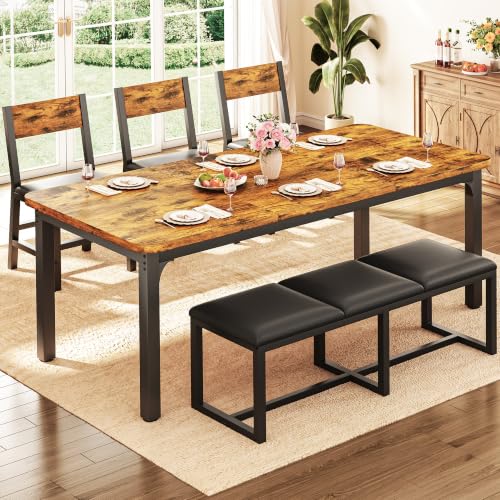
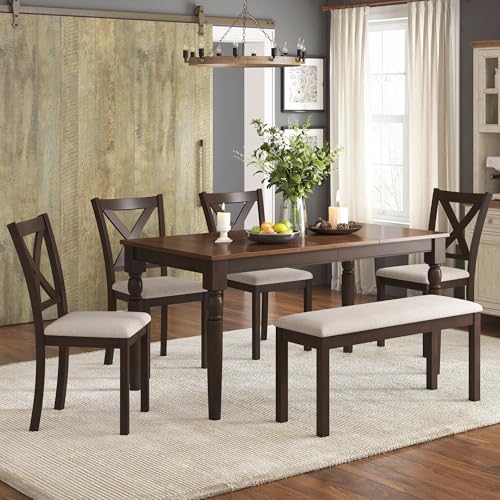
Rectangle Dining Table with Bench and Chairs: The Complete Buying Guide
A rectangle dining table with bench and chairs blends generous seating with a clean, linear silhouette. This guide explains sizes, materials, bench-and-chair pairings, comfort, care, and how to choose a set that fits your patio and your guests.
Why this setup works: A rectangular table with one bench and two to four chairs is one of the most space-efficient ways to seat a crowd outdoors. The bench tucks fully under the table, freeing walkway space, while chairs at the ends or opposite side give guests a backrest and easy entry. The result is a versatile, social layout that suits family meals, casual brunches, and backyard gatherings.
Choosing the Right Rectangle Table Size
Size is the first decision, because it determines how many people you can seat and how much room the set needs on your patio or deck. Most outdoor rectangle dining tables fall into three practical size bands. Use the table below as a planning reference, then measure your space before committing.
| Table Length (approx.) | Typical Seating | Best For | Space to Allow |
|---|---|---|---|
| 58–60 inches | 4–5 people | Small patios, balconies, couples | At least 30 inches of clearance around the table |
| 70–72 inches | 6 people | Mid-size patios, family dinners | At least 36 inches on the bench side for pull-out |
| 84–96 inches | 8 people | Large decks, entertaining, extended family | At least 36–42 inches around all sides |
As a rule of thumb, allow about 24 inches of table edge per seated guest. A bench should be roughly two-thirds to three-quarters of the table length, so it tucks neatly underneath without blocking the legs. If your patio is tight, a rectangle dining table for 6 with bench is a practical middle ground that still seats a full family.
Bench and Chair Pairing: How to Balance the Set
The bench-and-chair combination is the defining feature of this table style, and the ratio you choose affects both comfort and flow. There are three common configurations:
1. One Bench + Two Chairs
Best for four-person sets. The bench sits along one long side, two chairs face it. This is the most space-efficient arrangement and works well when the table is pushed near a wall or railing. Chairs give guests a backrest and easy entry, while the bench keeps the opposite side open.
2. One Bench + Four Chairs
Common on six-person tables. The bench handles one long side, four chairs cover the other long side and the two ends. This gives everyone a backrest except the bench guests, which is usually fine for casual outdoor meals. It also makes the set feel more like a traditional dining table.
3. Two Benches (Bench-Only Layout)
Two benches facing each other create a picnic-style feel and maximize seating per linear foot. This is the most social layout, but it offers less back support. Some sets combine two benches with two end chairs for a hybrid approach that balances comfort and capacity.
If you prefer a more traditional look or want end-of-table seating, browse rectangular patio dining sets that pair benches with matching chairs and share a consistent finish.
Materials: What Holds Up Outdoors
Outdoor furniture has to survive sun, rain, and temperature swings. The material of the table, bench, and chairs determines how much maintenance the set needs and how long it lasts. Here is how the main options compare.
| Material | Tier | Strengths | Watch Out For |
|---|---|---|---|
| Powder-coated aluminum | Mid-range | Lightweight, rust-resistant, easy to move | Can dent under heavy impact; check coating quality |
| Cast aluminum | Premium | Heavy-duty, detailed cast designs, very durable | Heavier to rearrange; needs occasional touch-ups |
| Teak / hardwood | Premium to luxury | Natural warmth, repairable, ages gracefully | Requires periodic sealing or oiling |
| Acacia / eucalyptus | Mid-tier | Solid build, natural grain, good value for its tier | Needs sealing to resist moisture and UV |
| Resin / HDPE | Essential tier | Weather-proof, low maintenance, lightweight | Less rigid feel; can shift in strong wind |
| Wicker / rattan weave over frame | Starter to mid-range | Textured look, comfortable, lightweight | Weave can loosen over time; keep covered when idle |
For a modern, low-maintenance patio, powder-coated aluminum is a solid choice for the tier. For a timeless look and long-term investment, teak or cast aluminum are excellent. If you are open to a woven texture, a rattan patio set can pair a rectangular table with woven benches and chairs for a softer, resort-style feel.
Table Features That Matter
Umbrella Hole
An umbrella hole in the center of the table lets you add shade without a freestanding base. This is especially useful for rectangle tables, where a rectangular outdoor dining table with umbrella hole keeps the umbrella centered over the seating. Check that the hole diameter matches common umbrella poles, and confirm whether a base is included or sold separately.
Tabletop Material
Slatted tops drain rainwater and dry quickly. Solid tops, such as glass or stone-look surfaces, are easier to wipe clean but may pool water. A rectangle glass patio table with umbrella hole offers a sleek, reflective surface that brightens shaded patios, though glass needs careful handling.
Legroom and Apron Height
Standard dining table height is around 28–30 inches. A bench with a seat height of 17–18 inches fits comfortably under a standard table. If the table has a deep apron or cross-bracing, bench guests may find their knees cramped, so check the clearance before buying.
Extendable vs. Fixed
Extendable tables add flexibility for larger gatherings, but outdoor extension mechanisms need to be weather-resistant. Fixed tables are simpler, sturdier, and easier to maintain. For most patios, a fixed rectangle table with a bench is the more reliable long-term option.
Comfort: Benches, Chairs, and Cushions
A bench is only as comfortable as its surface. Bare wood or metal benches are fine for short meals, but for long dinners, a bench cushion makes a noticeable difference. Look for cushions with quick-dry foam and removable, washable covers. Outdoor-rated fabrics resist fading and mildew.
If the set includes chairs, check whether they have armrests, a slight recline, or contoured seats. Stackable chairs save space when not in use. For a more relaxed feel, some buyers swap standard chairs for a rattan lounge chair at the ends of the table, creating a mixed-seating look.
Cushion care matters too. Store cushions during heavy rain or off-season, and choose a set whose cushion covers can be replaced. Replacement covers and foam inserts keep a set looking fresh for years, which is a smart long-term investment.
Care and Weatherproofing
A rectangle dining table with bench and chairs lives outside, so a little routine care goes a long way. Follow these habits to protect the set:
- Wipe the tabletop and bench after meals to prevent stains and sticky residue.
- Rinse metal frames with fresh water and dry them to reduce salt and mineral buildup.
- Re-oil or seal wood surfaces at the start of each season, following the maker's guidance.
- Use a fitted cover during storms and off-season storage, but let the set dry fully before covering.
- Bring cushions indoors or into a storage box during wet weather.
- Check bolts and joints monthly and tighten them as needed.
- Touch up chips in powder coating early to prevent corrosion.
When the set is not in use for long periods, a rattan storage bench or a dedicated cushion box keeps textiles dry and out of the sun. For woven sets, a light cover keeps the weave from drying out and cracking.
Space Planning: Fitting the Set on Your Patio
Before you order, map the set onto your patio with painter's tape. Mark the table footprint, then add the bench pull-out zone and chair push-back zone. A general guide:
- Walkway clearance: 36 inches between the table edge and any wall, railing, or planter.
- Bench side: 30–36 inches so guests can slide in and out.
- Chair side: 36 inches for push-back and standing room.
- End chairs: 30 inches minimum behind the chair when occupied.
On a narrow patio, place the bench against the house wall and use chairs only on the opposite side and the outer end. This keeps the set functional without blocking the path. For smaller spaces, a rectangle dining table for 6 with bench is often the sweet spot between capacity and footprint.
Shade: Pairing the Table with an Umbrella
An outdoor dining table is used most at midday and early evening, when sun and glare are strongest. If the table has a center hole, a market umbrella is the simplest shade solution. For larger rectangle tables, a rectangular cantilever umbrella with base offsets the pole so it does not block the table edge, giving more usable shade over the bench side.
Confirm the umbrella's canopy size covers the seating area, and secure the base with weights if your patio is windy. If you prefer a table without a hole, a freestanding umbrella or a pergola over the dining zone is a good alternative.
A Simple Decision Framework
Use these questions to narrow your choice quickly:
- How many people regularly eat outside? Seat count drives table length.
- How much clearance do you have? Bench pull-out and chair push-back space set the maximum footprint.
- What is your climate? Wet, humid, or coastal areas favor aluminum or sealed hardwood.
- How much maintenance do you want? Resin and aluminum are lowest effort; wood needs seasonal care.
- Do you need shade? Choose an umbrella hole or plan a freestanding shade solution.
- Will you store it? Stackable chairs and a tuck-under bench make off-season storage easier.
If you want a coordinated look, browse matching rectangular patio dining sets and compare finishes, chair styles, and bench lengths in one place. For a more traditional dining feel with end seating, a rectangle patio table and chairs with umbrella is a reliable option.
Frequently Asked Questions
How many people can a rectangle dining table with a bench and chairs seat?
It depends on the table length. A 58–60 inch table typically seats four to five, a 70–72 inch table seats six, and an 84–96 inch table seats eight. A bench usually accounts for two to three guests on one side, with chairs covering the other side and ends.
Is a bench more comfortable than chairs?
Chairs offer back support and easier entry, while benches are more space-efficient and social. For long meals, add a bench cushion with quick-dry foam. Many buyers prefer a mix: a bench on one side and chairs on the other and at the ends.
Can I use a bench with a table that has an umbrella hole?
Yes, as long as the umbrella base sits under the table and does not block the bench. Choose an offset or cantilever umbrella if the center pole interferes with seating, or confirm the base height clears the bench seat.
What is the best material for a patio dining set?
Powder-coated aluminum is a strong all-round choice for low maintenance. Teak and cast aluminum are premium options with longer service life. Resin and HDPE are the most weather-tolerant entry-level choices, while woven rattan offers a softer look with moderate care.
How much space do I need around the table?
Allow at least 36 inches between the table edge and any obstacle. On the bench side, keep 30–36 inches for pull-out. On the chair side, 36 inches gives comfortable push-back and standing room.
Should the bench be the same length as the table?
The bench is usually shorter than the table so it tucks underneath without blocking the legs. A bench about two-thirds to three-quarters of the table length is a good proportion and still seats two to three guests.